
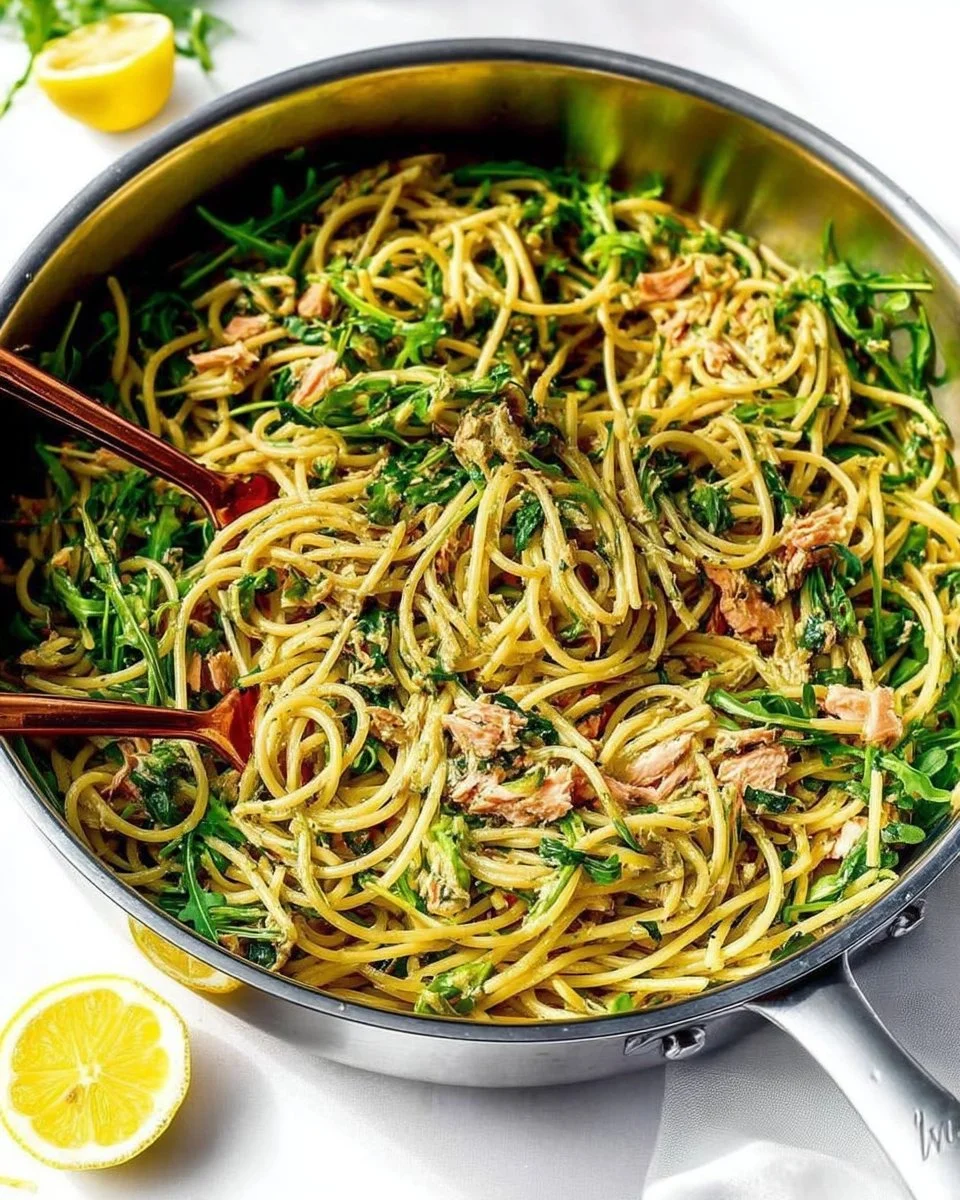
In a world where cooking fatigue can often dampen our culinary spirits, a meal that’s quick, nutritious, and bursting with flavor becomes a prized possession. Enter Mediterranean Tuna Pasta, a protein-packed dish that not only satisfies your hunger but also supports your nutrition goals. As we juggle family meals and busy schedules, finding a balance can be challenging. This recipe is here to help you stay on track while making meal prep a breeze, ensuring no one at your table feels deprived or unsatisfied.
Kitchen Frustration That Makes This Recipe a Lifesaver
Many of us have been there—standing in front of the fridge at 5 PM, feeling overwhelmed by what to whip up for dinner. You want something healthy, satisfying, and quick to make, but the options could lead us to fatigue if we aren’t careful. Mediterranean Tuna Pasta steps in to save the day. It perfectly marries convenience with nutrition, allowing you to minimize waste and stick to your budget-friendly meal plan.
Cooking for a crowd? The beauty of this dish is that it caters to a family-style setting while also being delicious even when made in smaller portions. The best part? It’s easily customizable, ensuring you can adapt it to suit your family’s preferences or dietary needs. A simple tip: keep your pantry stocked with staple ingredients like canned tuna, spaghetti, and olive oil, making it easy to whip this up any day of the week.
Why This Mediterranean Tuna Pasta Works So Well
Quick Answer: Mediterranean Tuna Pasta is not only fast and easy to prepare but packed with flavors and nutrients, making it a perfect meal for any time of the day.
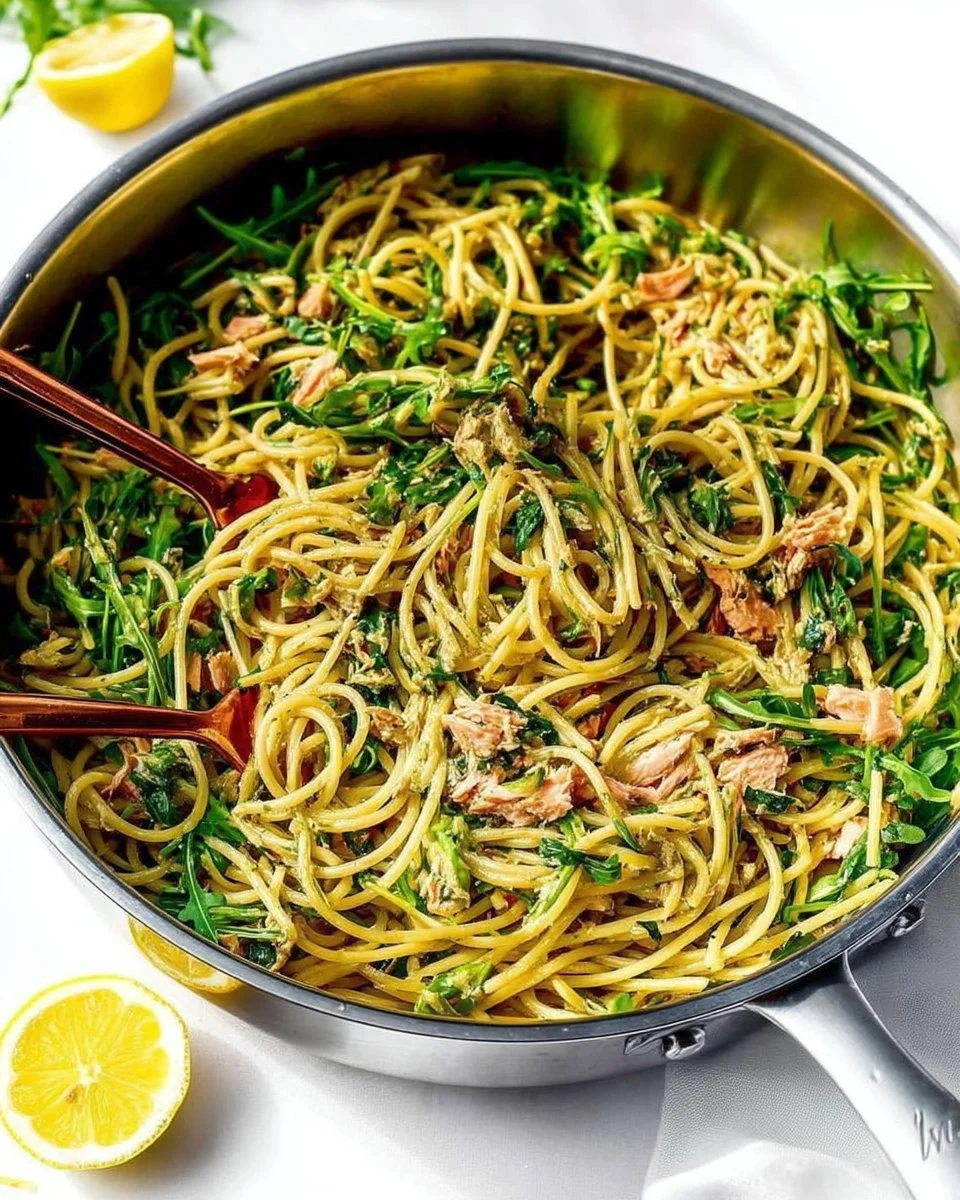
Imagine al dente spaghetti tossed with tender tuna, vibrant arugula, and zesty lemon. The creamy texture of olive oil combines with the crunch of capers, creating an orchestra of taste in each bite. With simple, fresh ingredients, this dish doesn’t just please the palate; it checks the box for time-saving and healthy cooking. The combination of flavors is robust yet lingering, making it ideal for those busy weekdays when you need a nutritious meal without all the fuss.
Ingredients, Substitutions & Foolproof Tips
- 12 ounces spaghetti: A classic choice that provides the backbone of this dish; gluten-free pasta works too.
- 2 cans albacore tuna, packed in olive oil: Offers a protein boost and healthy fats. You can choose to swap with canned salmon.
- 1/4 cup extra-virgin olive oil: Essential for dressing the pasta; consider avocado oil as another health-boosting alternative.
- 1 tablespoon plus 1 teaspoon lemon zest: Brings brightness. Substitute with lime zest if that’s what you have on hand.
- 2 tablespoons lemon juice: Adds acidity, but you could opt for vinegar in its place for a different flavor profile.
- 1/2 teaspoon kosher salt: Enhances all flavors; adjust based on your taste preference or dietary restrictions.
- 1/4 teaspoon red pepper flakes: For a bit of heat; skip this if you prefer a milder flavor.
- 3 tablespoons capers, drained: Adds a briny note; olives could replace capers for a richer taste.
- 3 tightly packed cups arugula: Provides a fresh contrast and makes this dish feel light; spinach or kale can be good alternatives.
- 1/4 cup flat-leaf parsley or 2 tablespoons fresh dill, finely chopped: For serving; use whatever fresh herbs you have on hand.
- Freshly ground black pepper: To taste; enhances the overall flavor profile.
Step-by-Step Directions
- Boil the Spaghetti: Bring a large stockpot of water to a boil, seasoning generously with kosher salt. Adding salt enhances the spaghetti’s flavor as it cooks.
- Cook Until Al Dente: Add the spaghetti and cook until al dente, about 10 minutes. This texture is essential for a delightful bite, ensuring the pasta doesn’t become mushy.
- Combine Ingredients: While the pasta cooks, add the tuna, olive oil, lemon zest, lemon juice, salt, red pepper flakes, and capers to a large bowl. This will create a luxuriously creamy base for your pasta.
- Drain and Toss: Once the spaghetti is ready, drain the pasta and add it to the bowl with the other ingredients. Use tongs to mix everything thoroughly, ensuring the pasta absorbs all those wonderful flavors.
- Add Arugula: Toss the pasta a few times before gently folding in the arugula. You want the greens to wilt slightly without becoming soggy—a perfect finish to the dish.
- Taste and Adjust: Taste before serving, adding more salt or red pepper flakes as desired. Each bite should sing with flavor and balance.
- Serve with Fresh Herbs: Top with freshly chopped parsley or dill and a sprinkle of black pepper before bringing it to the table. If you’re in the mood for garlic, a small clove of grated garlic can elevate this dish to another level.
Common Mistakes to Avoid & Pro Tips
- Mistake: Overcooking spaghetti.
- Fix: Always check for al dente at the 8-minute mark if using dry pasta.
- Mistake: Ignoring the salt.
- Fix: Salt the pasta water generously—this truly enhances the dish.
- Mistake: Adding greens too soon.
- Fix: Wait until after tossing to maintain their freshness.
Pro Tips:
- Consider adding chopped roasted red peppers or sun-dried tomatoes for extra layers of flavor.
- For a more substantial meal, include anchovies instead of tuna for a briny kick.
- This dish pairs wonderfully with a green salad or a light red wine, enhancing the Mediterranean experience.
Serving, Storage & Freezer Guide
How to Serve Mediterranean Tuna Pasta
Mediterranean Tuna Pasta is best served warm, allowing the flavors to meld beautifully. Plate it generously, garnished with fresh herbs and a drizzle of olive oil for that finishing touch. This dish is perfect for a family dinner or a potluck gathering, providing hearty yet healthy portions everyone will love.
How to Store Mediterranean Tuna Pasta
If you have leftovers, they make a fantastic, quick lunch the next day. Store the pasta in an airtight container in the refrigerator for up to three days. Be sure to add a splash of olive oil when reheating to keep it from drying out.
Can You Freeze Mediterranean Tuna Pasta?
Yes, Mediterranean Tuna Pasta can be frozen, making it a great option for meal prep! Portion out individual servings in freezer-safe containers, allowing some space for expansion. This dish can be frozen for up to two months. When you’re ready to enjoy it, just thaw in the refrigerator overnight and reheat gently.
placeholder
Frequently Asked Questions
What can I use instead of tuna in this recipe?
If tuna isn’t your preference, you can substitute it with canned salmon or even shredded chicken for a different flavor profile.
Can I use a different type of pasta?
Absolutely! This recipe is versatile, and you can use penne, farfalle, or even gluten-free pasta to accommodate your family’s dietary needs.
How can I make this dish lower in calories?
To lower the calorie count, use whole wheat pasta and reduce the amount of olive oil used. You can also boost the vegetables, such as adding more arugula or other greens.
How spicy can I make this pasta?
Adjust the red pepper flakes to suit your taste. For a milder dish, reduce or omit them entirely, or use a pinch to start, increasing until you find your desired heat.
Conclusion
Mediterranean Tuna Pasta is more than just a meal; it’s a culinary solution to everyday frustrations. This dish artfully combines wholesome ingredients into a balanced, delicious meal perfect for busy lifestyles. The flexibility of flavors ensures that everyone at your table can find joy in it.
If this recipe reminds you of someone you love, share it with them. Your memories keep recipes alive.
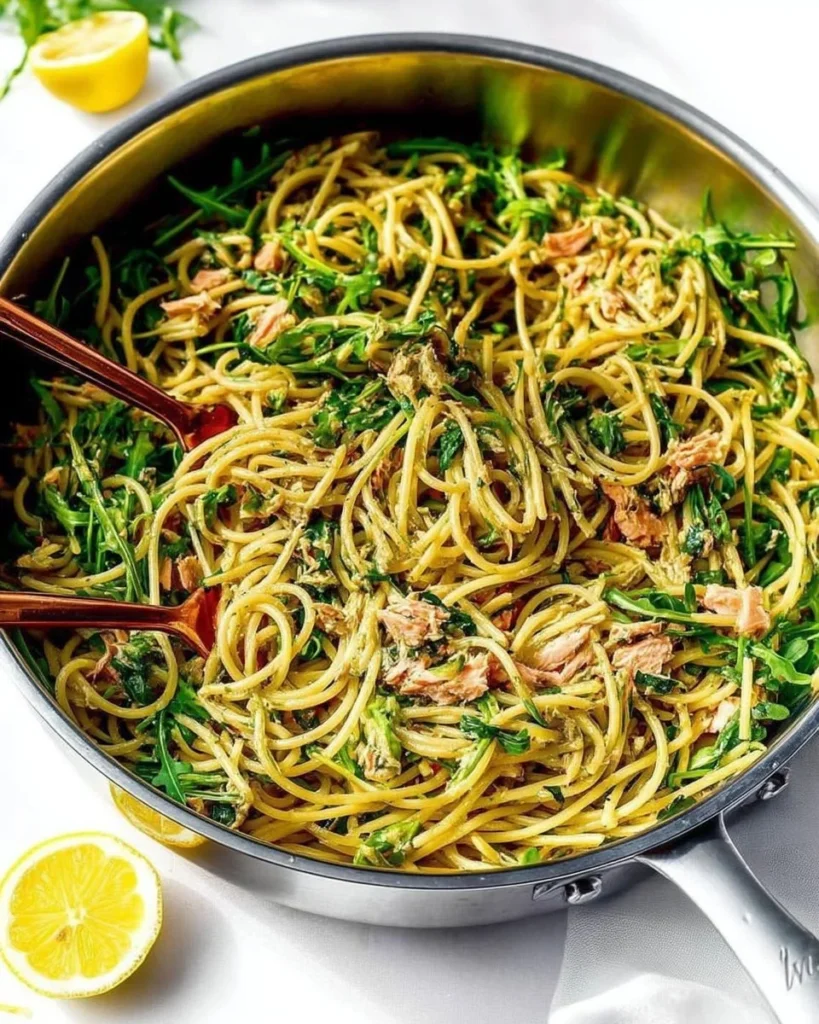
Mediterranean Tuna Pasta
Ingredients
Method
- Bring a large stockpot of water to a boil, then season generously with kosher salt.
- Add the spaghetti and cook until al dente, about 10 minutes.
- While the pasta cooks, mix the tuna, olive oil, lemon zest, lemon juice, salt, red pepper flakes, and capers in a large bowl.
- Once the spaghetti is ready, drain it and add to the bowl with the mixture, tossing thoroughly.
- Gently fold in the arugula and allow it to wilt slightly.
- Taste and adjust seasoning with more salt or red pepper flakes if desired.
- Serve topped with fresh herbs and black pepper.