
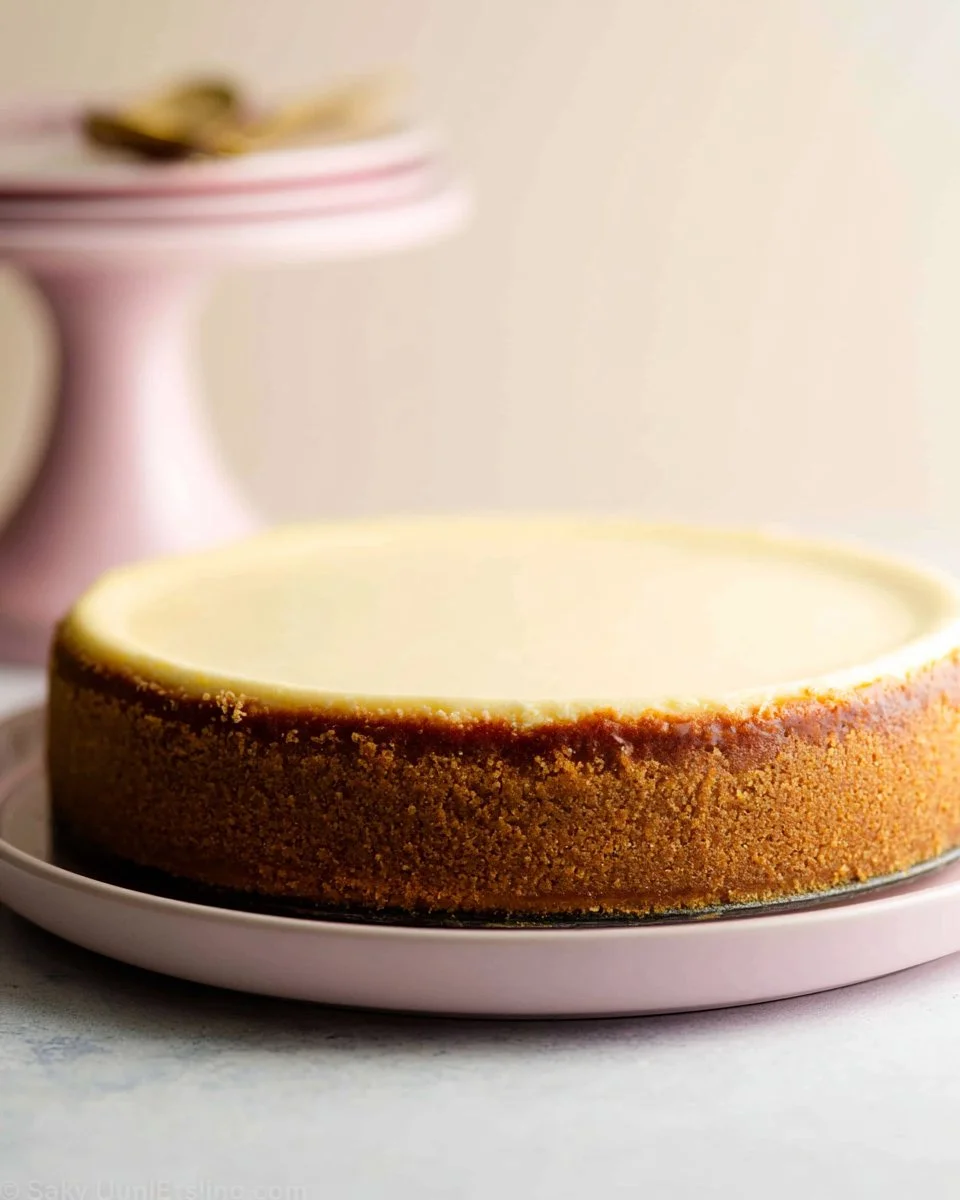
When it comes to classic desserts, few can compete with a slice of rich and creamy cheesecake. The allure of this decadent dessert lies in its harmonious balance of flavors and textures. The buttery graham cracker crust provides a delightful crunch that perfectly complements the velvety smooth cream cheese filling. As you take your first bite, you’re greeted with the comforting essence of vanilla, creating a blissful experience that feels both indulgent and satisfying. This cheesecake not only offers a delectable taste but also boasts a texture that melts beautifully in your mouth.
Whether you’re planning a celebration or simply want to treat yourself, this classic cheesecake is a recipe that resonates with many. Its versatility means you can dress it up with an assortment of toppings or enjoy it plain, appreciating its pure and creamy nature. Get ready to impress your friends and family with a homemade cheesecake that is sure to become a staple in your dessert repertoire!
Quick Answer
If you’re looking for a perfectly creamy and rich cheesecake, this is your go-to recipe. It’s made with simple ingredients and results in a scrumptious dessert everyone will love.
Why You’ll Love This Recipe
This classic cheesecake recipe stands out for numerous reasons, making it a favorite among dessert lovers.
- Deliciously Creamy: The combination of cream cheese and sour cream creates a rich, smooth texture.
- Easy to Make: With straightforward steps and easily accessible ingredients, baking this dessert is a breeze.
- Customizable: You can top it with fruits, chocolate, or whipped cream to match any occasion.
- Perfect for Any Celebration: Ideal for birthdays, holidays, or as a sweet ending to any meal.
- Impressive Presentation: The elegant look of cheesecake will wow your guests.
- Long-Lasting: This cheesecake can be made ahead of time and stored in the fridge for days!
What Makes This Recipe Special
This cheesecake recipe is treasured for its simplicity and mouthwatering taste. Using full-fat cream cheese ensures a luxurious texture, making every bite a delight. The addition of sour cream adds depth and richness, enhancing the overall flavor profile. Also, the hint of fresh lemon juice balances the sweetness and brightens the taste. The traditional graham cracker crust provides a perfect crunch that contrasts beautifully with the creamy filling. Overall, this combination results in a well-rounded dessert that is both satisfying and delightful.
Kitchen Tools You’ll Need
- Springform Pan – Essential for easily removing the cheesecake without damaging its shape.
- Food Processor – Useful for crushing graham crackers into fine crumbs quickly.
- Mixer – A handheld or stand mixer ensures that the cream cheese becomes smooth and creamy.
- Spatula – Perfect for spreading the cheesecake batter evenly in the pan.
- Roasting Pan – Needed for the water bath method, which keeps the cheesecake moist as it bakes.
- Cooling Rack – Allows the cheesecake to cool evenly after baking.
Ingredients
graham cracker crumbs: Provides a buttery and crunchy crust that complements the creamy filling.
granulated sugar: Sweetens the crust and filling, enhancing the overall flavor.
unsalted butter: Binds graham cracker crumbs together while adding richness and flavor.
full-fat brick cream cheese: The main ingredient that gives the cheesecake its creamy texture and rich flavor.
sour cream: Adds tanginess and moisture to the filling, contributing to a smooth consistency.
pure vanilla extract: Infuses the cheesecake with a warm and aromatic sweetness.
fresh lemon juice: Brightens the flavor and balances sweetness, enhancing the cheesecake’s taste.
eggs: Provide structure and help create a creamy, smooth texture in the filling.
Ready to cook? Scroll to the recipe card below for exact measurements.
How to Make Best Classic Cheesecake Recipe
Phase 1 – Prep
STEP 1. Preheat the Oven. Adjust the oven rack to the lower-middle position and preheat oven to 350°F (177°C).
STEP 2. Prepare the Crust. If starting with full graham crackers, grind them into fine crumbs using a food processor or blender. Pour crumbs into a medium bowl, stir in the sugar, and melted butter until combined. The mixture will be sandy.
STEP 3. Form the Crust. Pour crust mixture into an ungreased 9-inch or 10-inch springform pan. Using your hand, pat the crumbs down into the bottom and partly up the sides, ensuring it is compact without heavy packing. Bake for 10 minutes and set aside.
STEP 4. Prepare the Filling. In a large bowl, beat the cream cheese and granulated sugar together on medium-high speed until smooth and creamy for about 2 minutes. Add sour cream, vanilla extract, and lemon juice, and beat until fully combined.
STEP 5. Add the Eggs. With the mixer on medium speed, add the eggs one at a time, beating until just combined after each addition. Stop mixing as soon as the last egg is incorporated to avoid deflating the cheesecake.
Phase 2 – Cook
STEP 6. Prepare the Water Bath. Boil water in a kettle or pot for the water bath. Wrap the springform pan in heavy-duty aluminum foil to prevent leaks. Place it in a large roasting pan.
STEP 7. Combine and Bake. Pour cheesecake batter on top of the crust and use a spatula to smooth into an even layer. Pour hot water into the roasting pan, ensuring the water is around 1 inch deep. Bake for 55–70 minutes or until the center is almost set, and it wobbles slightly.
STEP 8. Cool and Chill. Turn off the oven, slightly open the door, and let the cheesecake cool in the oven for 1 hour. After cooling, remove from the oven, discard the foil, and let it cool completely on a rack at room temperature. Cover and refrigerate the cheesecake for at least 4 hours or up to 2 days.
Phase 3 – Serve
STEP 9. Release from Pan. Run a knife around the edges of the springform pan and remove the outer rim.
STEP 10. Slice and Serve. Cut into neat slices using a sharp knife dipped in warm water between slices. Serve with desired toppings and enjoy!
Why This Recipe Works
The texture of this cheesecake is a perfect balance between creamy and airy, allowing it to melt in your mouth while providing enough structure to hold its shape. The layer of cream cheese blended with Sour cream offers a luscious mouthfeel, while the graham cracker crust adds a satisfying crunch. The incorporation of fresh lemon juice and pure vanilla extract elevates the flavor profile, adding bright notes to the rich creaminess. By using the water bath method during baking, the cheesecake cooks evenly while retaining moisture, preventing cracks on the surface. This thoughtful combination of ingredients and methods results in a truly remarkable dessert that pleases both the eyes and the palate.
Pro Tips
1. Make sure all your ingredients are at room temperature before mixing to avoid a lumpy cheesecake batter.
2. Don’t overmix after adding the eggs, as this can incorporate too much air, leading to cracks in the cheesecake.
3. If your cheesecake is browning too quickly, loosely tent it with foil halfway through the baking process.
4. Cooling the cheesecake gradually in the oven helps prevent it from deflating or cracking.
5. Let the cheesecake chill in the refrigerator for at least four hours for the best texture and flavor.
Common Mistakes to Avoid
Mistake: Using cold ingredients.
Why it happens: Ingredients that are not at room temperature do not blend well, leading to a lumpy batter.
How to fix it: Always allow cream cheese and eggs to sit out for at least 30 minutes before mixing.
Mistake: Overmixing the batter.
Why it happens: Excessive mixing can incorporate too much air, which causes cracks.
How to fix it: Mix just until the ingredients are combined, especially after adding the eggs.
Mistake: Not using a water bath.
Why it happens: Skipping this step leads to uneven cooking and dryness.
How to fix it: Always use a water bath to keep the cheesecake moist during baking.
Mistake: Cutting into the cheesecake too soon.
Why it happens: Cutting before chilling may cause it to fall apart.
How to fix it: Allow the cheesecake to cool and set in the refrigerator for at least 4 hours before cutting.
Variations
- Add a fruit topping such as fresh strawberries or blueberries.
- Swirl in some chocolate or caramel sauce before baking for a flavor twist.
- Try different flavor extracts like almond or coconut for a unique taste.
- Make a chocolate crust by using chocolate cookie crumbs instead of graham crackers.
- Incorporate a layer of fruit preserves in the center for a burst of flavor.
Nutrition Highlights
| Nutrient | Role |
|---|---|
| Protein | Helps support satiety and balanced meals. |
Serving Ideas
This cheesecake is incredibly versatile and can be enjoyed in various ways. Serve it plain for a classic approach or top it with whipped cream for an indulgent treat. Fresh fruits like berries or mango slices add a burst of freshness, while chocolate sauce or caramel provides extra richness. Pair a slice with a hot cup of coffee or tea for a comforting dessert experience that is perfect for any gathering.
Best Occasions for This Recipe
This classic cheesecake is the ideal dessert for numerous occasions. Whether it’s a birthday, holiday gathering, or family get-together, it never fails to impress. Serve it at a potluck, or as a sweet addition to your Thanksgiving dessert table. It’s also perfect for celebrating milestones like anniversaries or graduations, lending a touch of elegance to any celebration.
Meal Prep & Storage
Meal Prep
You can prepare the cheesecake a day in advance, allowing it to chill overnight. This enhances the flavor and texture, making it even more enjoyable.
Refrigeration
The cheesecake should be covered and stored in the refrigerator. It stays fresh for up to four days, allowing you to enjoy it at your leisure.
Freezing
If you need to save it for longer, consider freezing individual slices. Wrap each slice tightly in plastic wrap, then place in an airtight container or freezer bag. It can last for up to three months in the freezer.
Reheating
To enjoy frozen cheesecake, transfer it from the freezer to the refrigerator to thaw overnight. For a quick method, leave it at room temperature for an hour or two before serving.
FAQs
How long can I keep cheesecake in the fridge?
Up to four days when stored properly in an airtight container.
Can I use low-fat cream cheese?
Using low-fat cream cheese may result in a different texture but can still yield a tasty cheesecake.
What’s the best way to cut cheesecake?
Use a sharp knife dipped in warm water to get clean, neat slices.
Can I make this cheesecake gluten-free?
Yes, just substitute the graham cracker crust with a gluten-free alternative.
Why did my cheesecake crack?
Cracks often occur due to overmixing the batter or baking at too high a temperature.
Save This Recipe for Later
If you love cheesecakes as much as I do, be sure to pin this recipe for future reference! You’ll want to return to it time and again.
Conclusion
This classic cheesecake recipe is a timeless dessert that is sure to impress friends and family alike. With its rich creaminess and buttery crust, it’s the perfect finish to any meal. From special occasions to quiet nights in, cheesecake remains a beloved treat. With simple ingredients and easy steps, you can make this delightful dessert your own!
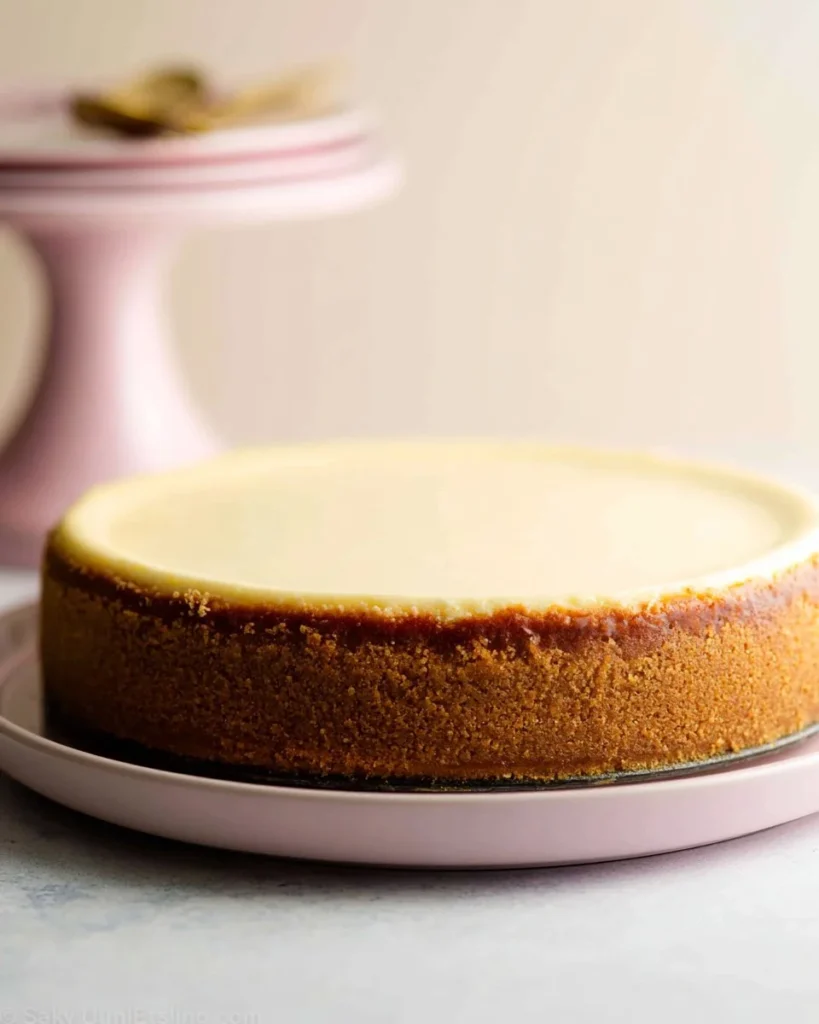
Classic Cheesecake
Ingredients
Method
- Preheat the oven to 350°F (177°C).
- In a medium bowl, combine graham cracker crumbs, 1/4 cup sugar, and melted butter until sandy. Press into the bottom of a 9-inch springform pan. Bake for 10 minutes and set aside.
- In a large bowl, beat cream cheese and 1 cup sugar on medium-high speed until smooth. Mix in sour cream, vanilla, and lemon juice.
- Add eggs one at a time at medium speed, mixing until just combined after each addition.
- Wrap the springform pan with aluminum foil and place it in a large roasting pan.
- Pour the cheesecake batter over the crust. Pour hot water into the roasting pan until about 1 inch deep.
- Bake for 55-70 minutes until the center is almost set. Turn off the oven, crack the door, and let the cheesecake cool in the oven for 1 hour.
- Remove the cheesecake from the oven, discard foil, and cool completely on a rack.
- Refrigerate for at least 4 hours before slicing and serving.