
The aroma of freshly baked cheesecake wafting through the house is like a warm hug from an old friend. It awakens memories from family gatherings, celebrations, and cozy nights in with loved ones. But let’s be honest: the quest for the perfect cheesecake can feel daunting. Overbaked, too dense, overly sweet—oh, the frustrations we’ve all faced in pursuit of that creamy slice of heaven. Yet, with the right guidance and a sprinkle of love, you can create a dessert that speaks to the heart. Join me, dear friend, as we dive into The BEST Cheesecake Recipe that will make your soul sing.
Why You’ll Love This The BEST Cheesecake Recipe
The Daily Struggle of Cheesecake Woes
Picture this: You’ve been invited to a potluck, and everyone is hyped about your contribution. With high hopes, you decide to bring a cheesecake, but as the hours pass and the kitchen fills with uncertainty, that initial excitement fades into worry. Will it crack? Will it be too sweet?
Fear not, dear baker! This The BEST Cheesecake Recipe is designed to simplify your experience. It’s all about achieving that creamy, velvety texture with just enough sweetness to satisfy any palate.
This Dish Solves That
Imagine serving this cheesecake at your next gathering—its silky texture and delightful flavor will transport everyone to a blissful state. The joy on your family’s faces as they indulge will be worth every moment spent in the kitchen. Each bite is not just dessert; it’s a celebration.
Quick Answer: The easiest way to make The BEST Cheesecake Recipe creamy and rich is by using softened cream cheese at room temperature.
The comfort of sharing this dessert transcends generations, providing that warm, nostalgic touch we all crave in our lives. I invite you to read on and discover how to make this enchanting cheesecake, perhaps accompanied by a warm cup of coffee or tea. You won’t be disappointed!
Ingredients Breakdown & Prep Tips
Ingredients
- 1 1/2 cups graham cracker crumbs — Essential for the crust; you can also use digestive biscuits if you prefer a different flavor.
- 2 tablespoons sugar — Adds a touch of sweetness to the crust.
- 1 tablespoon brown sugar — For a hint of caramel flavor in the crust.
- 7 tablespoons butter, melted — Binds the crust together; ensure it’s fully melted for an even mix.
- 32 oz cream cheese, softened to room temperature — The star of the show, giving your cheesecake its creamy texture; don’t skip this step!
- 1 cup sugar — This balances the tartness of the cream cheese perfectly.
- 2/3 cups sour cream — Enhances the creaminess and adds a lovely tang.
- 1 1/2 teaspoons vanilla extract — Imparts warmth and depth of flavor.
- 1/8 teaspoon salt — Just a pinch to elevate all flavors!
- 4 large eggs, room temperature, lightly beaten — They’ll add fluffiness to the batter; make sure they are lightened first.
Prep Method with Sensory Cues
- Preheat your oven to 325F (160C).
- Prepare the graham cracker crust by combining the graham cracker crumbs, sugar, and brown sugar. Add the melted butter and mix until fully combined.
- Press the mixture into a 9-inch springform pan, creating an even layer, and set aside.
- In a stand mixer, beat the cream cheese until smooth and creamy. Then, gradually add the sugar and continue to mix until it’s luscious.
- Stir in the sour cream, vanilla extract, and salt until well blended.
- Gradually add the lightly beaten eggs, one at a time, mixing until you achieve a silky batter.
- Pour the cheesecake batter into the prepared crust, smoothing the top with a spatula.
- Place the pan on a cookie sheet lined with foil to catch any drips, and bake for 50-60 minutes until slightly puffed and lightly golden.
- Remove from the oven and cool for 10 minutes. Use a knife to gently loosen the cheesecake from the edges of the pan to prevent cracking.
- Allow it to cool another 1-2 hours at room temperature before transferring to the refrigerator to set overnight or at least for 6 hours.
- Finally, remove the ring of the springform pan before serving.
As you follow these steps, your kitchen will fill with the sweet scent of baking cheesecake, wrapping you in a cozy embrace. The mixture will glide smoothly in your bowl, and the anticipation of that first slice will start to build!
Avoid These Mistakes
Common Mistakes & Fixes
- Overmixing the batter — This can incorporate too much air, leading to cracks. Mix just until combined; don’t overdo it!
- Using cold ingredients — Room temperature cream cheese and eggs incorporate better and create a smoother filling. Take a moment to let them warm up before you start!
- Not cooling properly — Rushing the cooling process can cause cracks. Let your cheesecake cool gradually, as we’ve detailed above.
Pro Tips to Get It Right
- Use a water bath: If you want an extra layer of protection against cracks, consider using a water bath while baking. Wrap your springform pan with foil to prevent leaks, then place it in a larger pan filled with hot water.
- Top it with a fruit sauce: Add a layer of your favorite fruit sauce or whipped cream before serving to elevate your cheesecake to the next level!
With these gentle reminders in mind, I assure you that your experience making The BEST Cheesecake Recipe will be a delightful journey.
Serving, Storage & Creative Variations
Best Ways to Serve It
Serve this dreamy cheesecake with pride at family dinners, holiday festivities, or even a quiet night in, just for you. Pair it with freshly brewed coffee or a delicate cup of tea for a cozy indulgence. Picture a lovely evening with close friends, each slice creating laughter and conversation that lingers long after the plates are emptied.
Storage + Seasonal or Dietary Variations
To store, keep it covered in the refrigerator where it can easily last 5-7 days—if it lasts that long! If you find yourself with leftovers, you can freeze slices wrapped tightly in plastic wrap, then foil for up to 3 months. The beauty of cheesecakes is that they embrace variations; consider adding swirls of melted chocolate, a sprinkle of lemon zest, or fresh berries for seasonal flavors.
Feel free to explore different toppings too—you could create a fall-inspired pumpkin cheesecake by adding spices or swap the graham cracker crust for a nut-based one for a gluten-free treat!
FAQ Section
What can I do if my cheesecake cracks?
If your cheesecake cracks during baking, fear not! It can happen to the best of us. As it cools, gently press down on the edges with a spatula to smooth the surface, or cover with a topping to hide the flaw!
How can I make a no-bake version of cheesecake?
To make a no-bake cheesecake, follow a similar filling recipe but use whipped cream for lighter texture and skip the baking step. Let it chill until set in the refrigerator.
What’s the best way to serve cheesecake?
Cheesecake is best served chilled, but you can also warm it slightly to bring out its creamy texture. Add a dollop of whipped cream or fruit compote for added delight!
Can I use low-fat cream cheese?
Absolutely! You can substitute low-fat cream cheese in the recipe, keeping in mind that the texture may be slightly different than with full-fat cream cheese.
Conclusion
There you have it, friends! A simple guide to The BEST Cheesecake Recipe, crafted with love and filled with warmth. If this dish evokes a cherished memory of gatherings and laughter, pass it on. Someone you love might need it today.
For more delightful recipes to savor, you might enjoy making a delicious [Creamy Tortellini Soup] or have a taste of [Black Bean Corn Salad]. Share the love—happy baking!
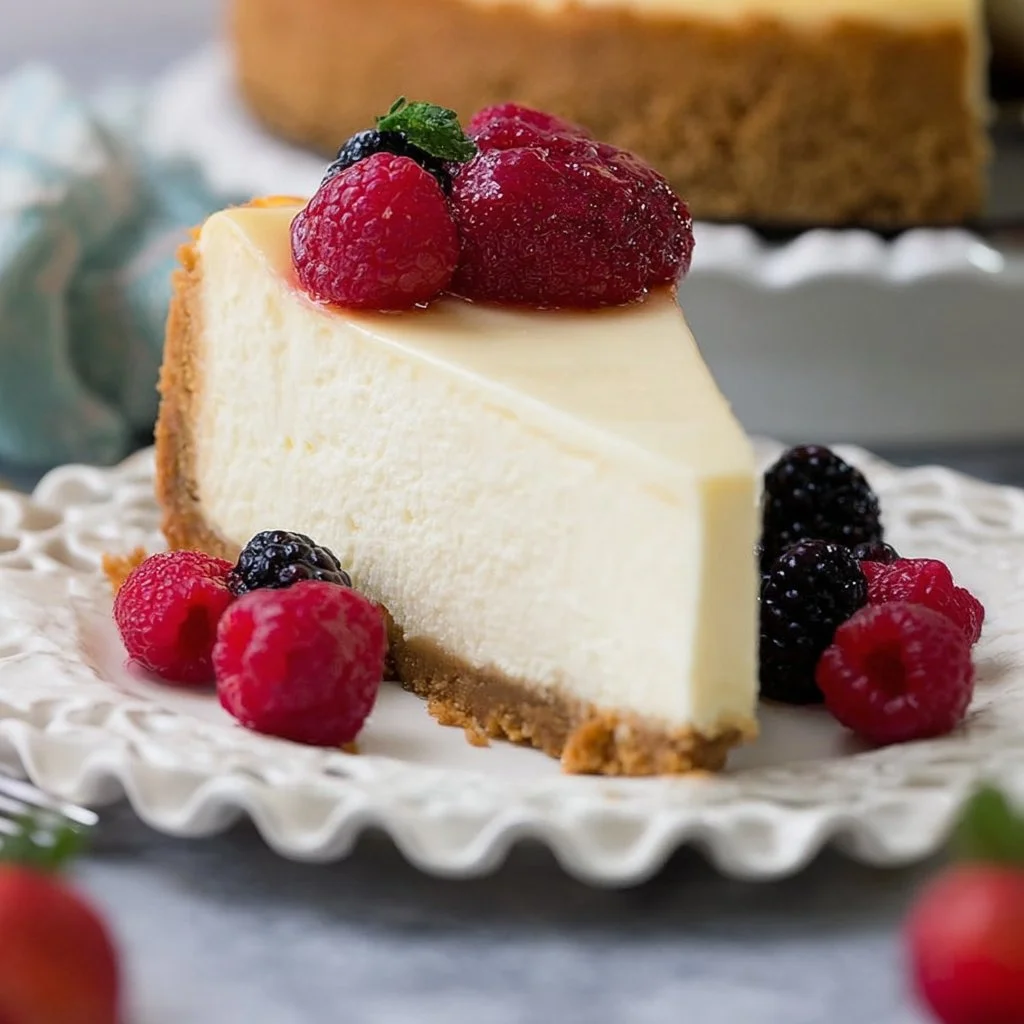
Cheesecake
Ingredients
Method
- Preheat your oven to 325°F (160°C).
- Prepare the graham cracker crust by combining the graham cracker crumbs, sugar, and brown sugar. Add the melted butter and mix until fully combined.
- Press the mixture into a 9-inch springform pan, creating an even layer, and set aside.
- In a stand mixer, beat the cream cheese until smooth and creamy. Gradually add the sugar and continue to mix until luscious.
- Stir in the sour cream, vanilla extract, and salt until well blended.
- Gradually add the lightly beaten eggs, one at a time, mixing until you achieve a silky batter.
- Pour the cheesecake batter into the prepared crust, smoothing the top with a spatula.
- Place the pan on a cookie sheet lined with foil to catch any drips, and bake for 50-60 minutes until slightly puffed and lightly golden.
- Remove from the oven and cool for 10 minutes. Use a knife to gently loosen the cheesecake from the edges of the pan to prevent cracking.
- Allow it to cool another 1-2 hours at room temperature before transferring to the refrigerator to set overnight or at least for 6 hours.
- Finally, remove the ring of the springform pan before serving.