
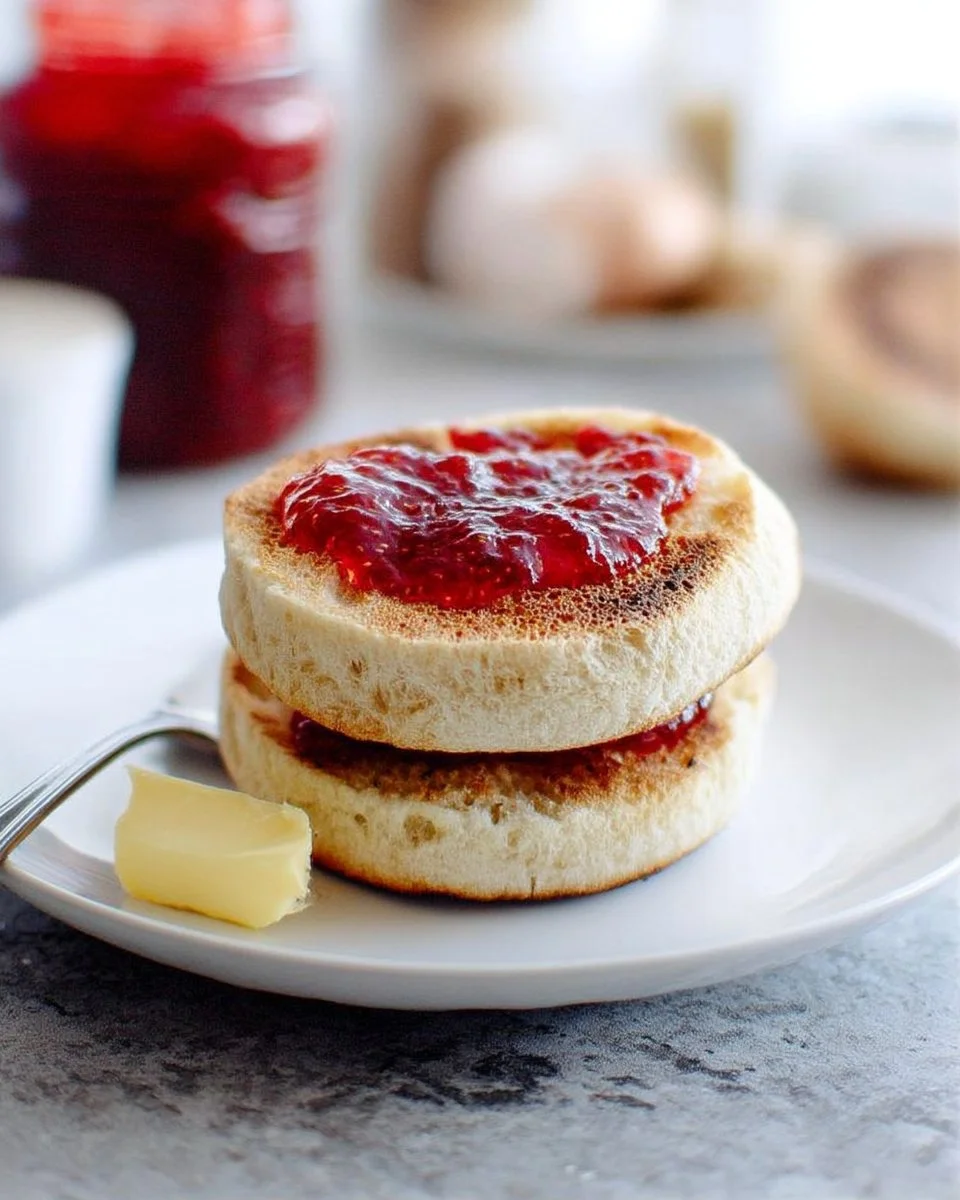
There’s something special about the smell of freshly baked Sourdough English Muffins wafting through the kitchen. This warm aroma brings back fond memories of childhood breakfasts, leisurely brunches with family, and that comforting feeling of home. If you’ve ever struggled with meal planning or found yourself in a cooking rut, this recipe is a delightful solution that will surely revive your passion for home-cooked meals. Not only are these English muffins delicious, but they are also highly versatile and can support your nutrition goals. Let’s dive into why this recipe can be a lifesaver for you and your family.
Kitchen Frustration That Makes This Recipe a Lifesaver
Every cook faces those days filled with kitchen frustration, especially when meal ideas seem to elude us. Maybe you’ve made the same meals over and over, leading to cooking fatigue, or maybe you’re trying to feed a crowd with unique, tasty options without breaking the bank. Sourdough English Muffins are the answer to your prayers! This recipe not only adds variety to your meal plan, but it also helps reduce waste by utilizing sourdough starter discard.
Imagine waking up to a warm muffin or having a hearty breakfast ready in advance. You can also pack them in lunchboxes or toast them for quick snacks. They’re budget-friendly, satisfying, and make great use of your sourdough starter. Remember, a little prep can transform your kitchen experience from frustrating to fun. Don’t let cooking fatigue hold you back!
Why This Sourdough English Muffins Works So Well
Quick Answer: Sourdough English Muffins are soft, chewy, and have a beautiful crust, thanks to the long fermentation process, which develops their unique flavor.
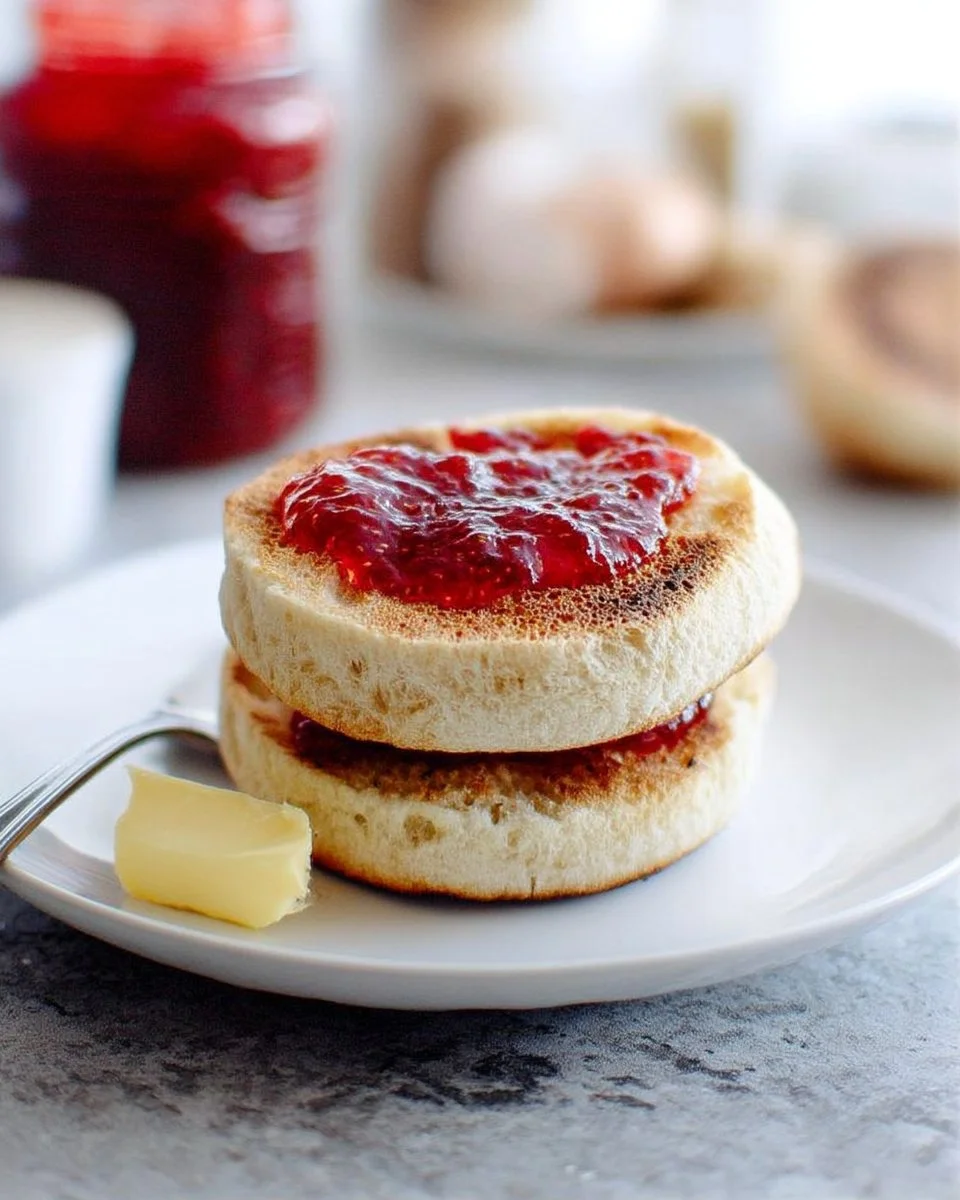
This recipe stands out because it combines convenience with nostalgia. The texture of a freshly baked Sourdough English Muffin has the perfect balance of chewiness and crunch. Each muffin boasts delightful nooks and crannies, ideal for holding melted butter or your favorite jam.
Furthermore, these muffins are enriched with nonfat dry milk and butter, providing a dose of nutrition while being calorie-conscious. They also fit seamlessly into a balanced diet, making a nutritious choice for breakfast or a snack. Best of all, they are time-saving and freezer-friendly, so you can always have a quick treat at your fingertips, whether you’re trying to stick to your meal plan or simply enjoying a lazy Saturday morning.
Ingredients, Substitutions & Foolproof Tips
- 2 tablespoons granulated sugar – Helps activate the yeast for a perfectly risen muffin.
- 2 cups (454g) warm water – Necessary for activating yeast; water should be between 100°F and 110°F.
- 1 tablespoon active dry yeast or instant yeast – Ensures a great rise and airy texture.
- 1 cup (227g) sourdough starter discard – Utilizes leftover starter, reducing waste while adding flavor.
- 6 1/2 to 7 cups (780g to 840g) all-purpose flour – Main structure; start with the lower end and add more as needed.
- 1/2 cup (56g) nonfat dry milk – Adds creaminess and boosts nutrition.
- 4 tablespoons butter, at room temperature – Helps keep muffins rich and tender.
- 1 tablespoon salt – Enhances flavor.
- Yellow cornmeal, for coating – Prevents sticking and provides a nice texture.
Step-by-Step Directions
- Combine Ingredients: In the bowl of a stand mixer, combine the sugar, warm water, yeast, sourdough starter, flour, dry milk, butter, and salt. Mix until smooth.
- Knead Dough: Using the dough hook or a hand mixer, mix until a soft, elastic dough forms. The dough should not be sticky but should feel tender to the touch.
- First Rise: Place the dough in a lightly greased bowl, cover it, and let it rise for about 1 1/2 hours, or until doubled in size.
- Deflate & Rest: Gently deflate the dough and turn it out onto a lightly floured counter. Cover and let it rest for a few minutes to allow the gluten to relax.
- Shape Muffins: Divide the dough in half. Roll each half to about 1/2″ thick and cut with a 3 1/2″ to 4″ cutter. Re-roll scraps as needed.
- Second Rise: Place dough rounds on a baking sheet sprinkled with cornmeal. Cover with plastic wrap and let them rise until puffy, about 45 to 60 minutes.
- Preheat Skillet & Cook: Heat a non-stick skillet over medium-low heat (or a griddle set to 350°F). Cook the rounds for 5 to 6 minutes per side or until golden brown.
- Bake Muffins: Transfer muffins to a preheated 350°F oven and bake for an additional 6 to 8 minutes or until an internal temperature of 190°F is reached.
- Cool & Store: Remove from the skillet and cool on a rack. Store tightly wrapped at room temperature for 4 to 5 days or freeze for longer storage.
Common Mistakes to Avoid & Pro Tips
- Mistake: Not Activating Yeast Properly – Ensure the water temperature is correct; too hot can kill the yeast.
- Mistake: Over-Flouring – Adding too much flour can make muffins dense; start with less and add more as needed.
- Mistake: Overbaking – Keep an eye on the muffins and use a thermometer for best results.
- Pro Tip: Use a Stand Mixer – It makes kneading easier, but it can also be done by hand if preferred.
- Pro Tip: Prepare the Dough Overnight – Refrigerating the shaped muffins overnight can enhance flavor and make breakfast preparation even easier.
Serving, Storage & Freezer Guide
How to Serve Sourdough English Muffins
Sourdough English Muffins are incredibly versatile. Serve them toasted with butter and your favorite jam, or use them as the base for eggs Benedict. They also make a great foundation for breakfast sandwiches piled high with eggs, avocado, or even smoked salmon. The possibilities are endless!
How to Store Sourdough English Muffins
Once cooled, you should store Sourdough English Muffins in an airtight container at room temperature. They are best enjoyed fresh, but they can last for 4 to 5 days. If you want to keep them longer, wrapping them tightly will keep them fresh and moist.
Can You Freeze Sourdough English Muffins?
Yes! Sourdough English Muffins freeze beautifully. Once completely cooled, place them in freezer bags and remove as much air as possible before sealing. They can be kept in the freezer for up to three months. To enjoy, simply toast them straight from the freezer or let them thaw at room temperature.
Frequently Asked Questions
Can I use whole wheat flour instead of all-purpose flour?
Yes, you can substitute part of the all-purpose flour with whole wheat flour for added nutrients. However, the texture may be slightly denser.
Can I make these muffins without yeast?
You could try a sourdough pancake recipe, but traditional English muffins rely on yeast for their texture and flavor.
What can I do with leftover sourdough starter?
This recipe is perfect for using up sourdough starter discard. You can also add it to pancakes, waffles, or use it in baking bread.
How can I adjust this recipe for a gluten-free diet?
You can experiment with a gluten-free flour blend, but the texture and rise may vary. It’s best to use a recipe specifically designed for gluten-free baking.
Conclusion
Sourdough English Muffins are not just a treat; they are a way to revive family traditions and create lasting memories in the kitchen. This recipe allows you to tackle cooking fatigue while indulging in a delicious and nutritious breakfast option. If this recipe reminds you of someone you love, share it with them. Your memories keep recipes alive.
Sourdough English Muffins
Ingredients
Method
- In the bowl of a stand mixer, combine the sugar, warm water, yeast, sourdough starter, flour, dry milk, butter, and salt. Mix until smooth.
- Using the dough hook or a hand mixer, mix until a soft, elastic dough forms. The dough should not be sticky but should feel tender to the touch.
- Place the dough in a lightly greased bowl, cover it, and let it rise for about 1 1/2 hours, or until doubled in size.
- Gently deflate the dough and turn it out onto a lightly floured counter. Cover and let it rest for a few minutes to allow the gluten to relax.
- Divide the dough in half. Roll each half to about 1/2″ thick and cut with a 3 1/2″ to 4″ cutter. Re-roll scraps as needed.
- Place dough rounds on a baking sheet sprinkled with cornmeal. Cover with plastic wrap and let them rise until puffy, about 45 to 60 minutes.
- Heat a non-stick skillet over medium-low heat (or a griddle set to 350°F). Cook the rounds for 5 to 6 minutes per side or until golden brown.
- Transfer muffins to a preheated 350°F oven and bake for an additional 6 to 8 minutes or until an internal temperature of 190°F is reached.
- Remove from the skillet and cool on a rack. Store tightly wrapped at room temperature for 4 to 5 days or freeze for longer storage.