
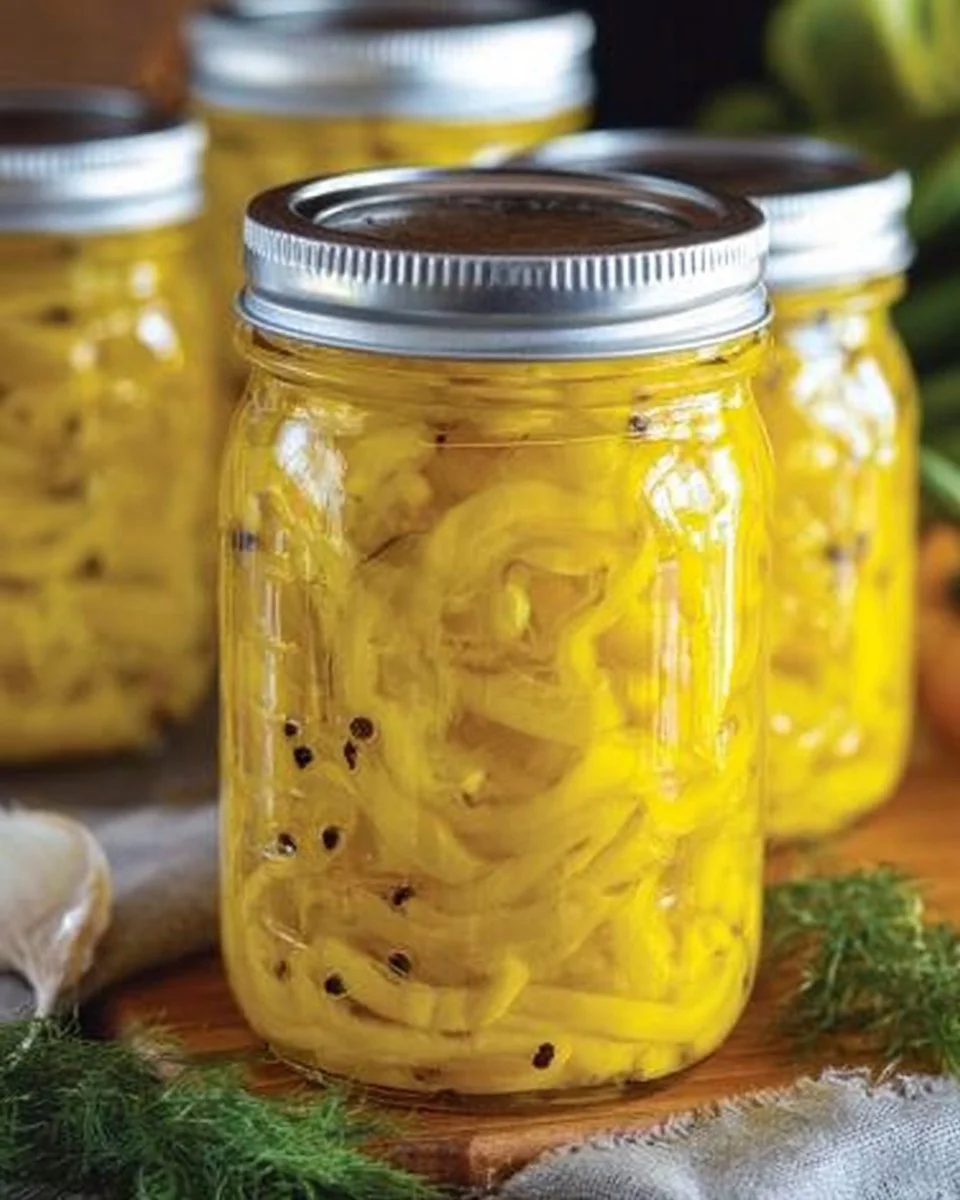
There’s something undeniably satisfying about homemade pickles. They hold the essence of summer freshness while packing a punch of tangy flavor that can elevate any dish. Among the many ways to preserve summer’s bounty, pickling banana peppers stands out as a quick and rewarding experience. The crisp texture of these vibrant peppers melds beautifully with the sweet and sour notes of the pickling brine, creating a perfect balance that can tantalize your taste buds.
Imagine opening your fridge to a jar of bright yellow-green peppers, their aroma filling the air with hints of vinegar and spice. These pickled treasures can add a flavorful crunch to sandwiches, salads, and even charcuterie boards. Whether you’re a novice in the kitchen or a seasoned pro, this easy recipe allows you to create a delightful accompaniment that will undoubtedly impress your family and friends. Ready to dive into the world of pickling? Let’s get started!
Quick Answer
Homemade pickled banana peppers are a flavorful condiment made by pickling fresh banana peppers in a simple vinegar-based brine. They add zest to dishes and can be stored in the refrigerator for up to three months.
Why You’ll Love This Recipe
This pickled banana pepper recipe captures the essence of homemade goodness, making it a standout in your culinary repertoire.
- Easy to Make: This recipe is straightforward, requiring minimal preparation and cooking time.
- Versatile Use: Perfect as a topping for sandwiches, salads, or as a snack on their own.
- Long Shelf Life: Once pickled, these peppers can last in the fridge for up to three months.
- Healthy Option: Low in calories and high in flavor, they make a nutritious addition to meals.
- Customizable: Adjust the sweetness and spice levels to suit your personal taste preferences.
What Makes This Recipe Special
This pickled banana pepper recipe stands out for its perfect blend of flavors and effortless execution. The balance of sweetness from sugar with the acidity of white vinegar creates a refreshing contrast that complements the crisp texture of banana peppers. The addition of black peppercorns and a bay leaf infuses the brine with depth and warmth, enhancing the natural flavor of the peppers. By allowing them to sit for a few days in the refrigerator, the peppers absorb the brine, intensifying their flavor profile. This recipe not only preserves the freshness of the peppers but also transforms them into a savory accompaniment that brightens up any dish.
Kitchen Tools You’ll Need
- Mason Jar – Essential for storing your pickled peppers securely.
- Cutting Board – Provides a stable surface for slicing the peppers.
- Knife – A sharp tool for accurately cutting the peppers into uniform slices.
- Pan – Used for heating and combining the pickling brine ingredients.
- Measuring Cups – Necessary for measuring ingredients accurately.
Ingredients
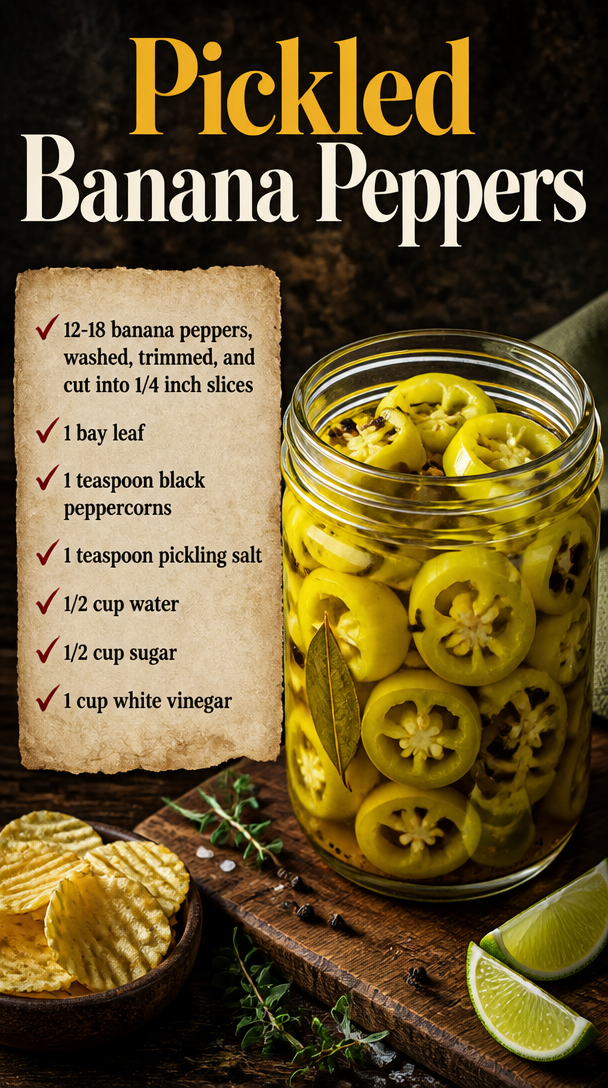
banana peppers: Crisp, flavorful peppers that provide a delightful texture and a mild heat.
bay leaf: Adds a subtle herbal note that enhances the flavor of the pickling brine.
black peppercorns: Contributes warmth and spice, creating a deeper flavor profile.
pickling salt: Essential for preserving the peppers and balancing the flavors.
water: Creates the base for the brine, diluting the vinegar for a balanced taste.
sugar: Provides sweetness, making the brine well-rounded and palatable.
white vinegar: The main ingredient in the brine that gives pickled peppers their signature tang.
Ready to cook? Scroll to the recipe card below for exact measurements.
How to Make Pickled Banana Peppers
Phase 1 – Prep
STEP 1. Wash the Jar. Clean a mason jar in hot soapy water and rinse it well.
STEP 2. Prepare the Peppers. Cut the banana peppers into 1/4-inch slices and stuff them into the clean jar, adding the bay leaf once the jar is about halfway full of the pepper slices.
Phase 2 – Cook
STEP 3. Make the Brine. Measure the vinegar, sugar, pickling salt, black peppercorns, and water into a saucepan.
STEP 4. Heat the Mixture. Over medium heat, bring the liquid to a boil.
STEP 5. Fill the Jar. Carefully pour the hot liquid into the jar with the peppers until the peppers are submerged.
Phase 3 – Serve
STEP 6. Rest the Jar. Allow the jar of peppers to rest at room temperature for one hour.
STEP 7. Refrigerate. Place a lid on the jar and refrigerate.
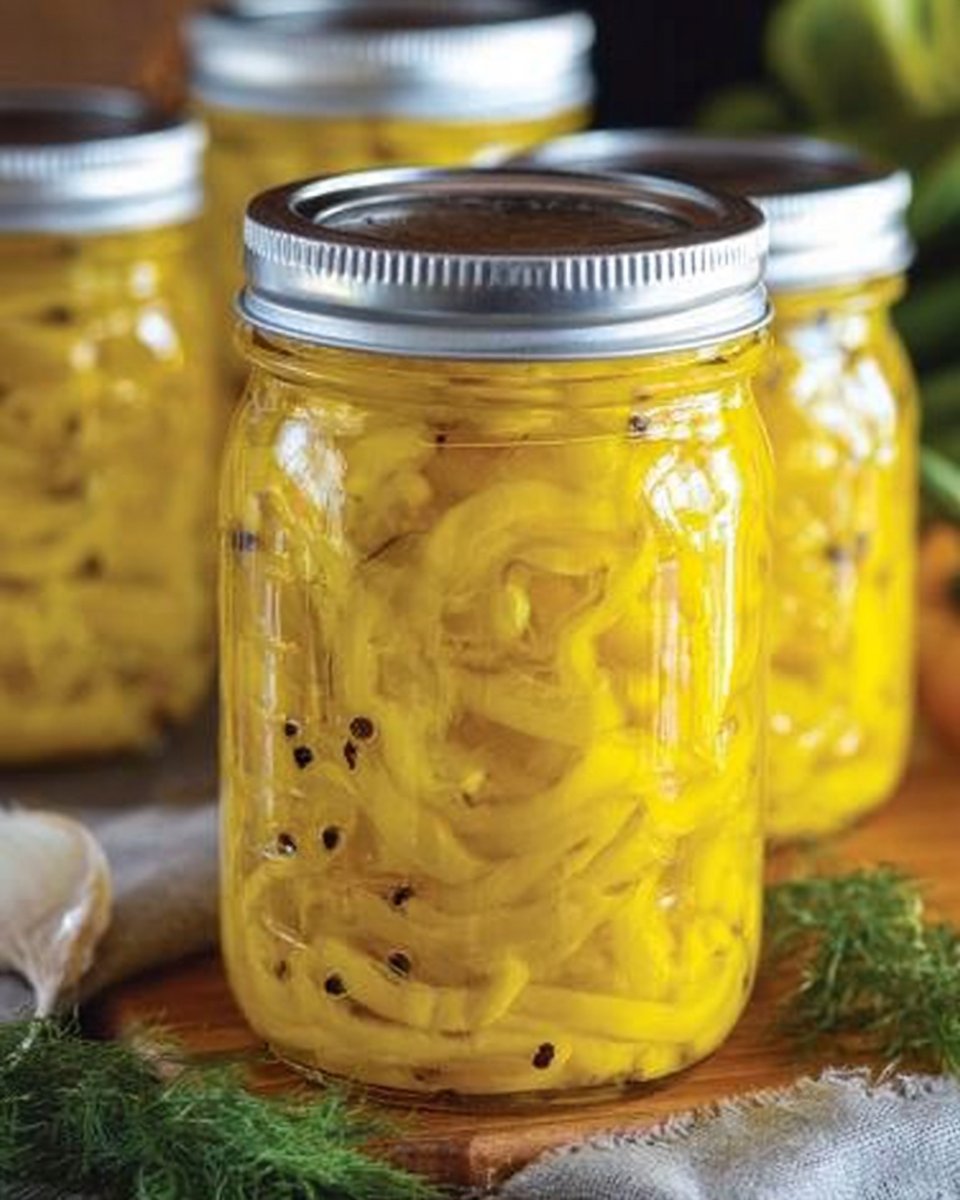
STEP 8. Let Them Sit. It’s best to let them sit in the fridge for at least three days for better flavor. Pickled Banana Peppers will keep refrigerated for three months.
Why This Recipe Works
This recipe effectively marries texture and flavor through the pickling process. The banana peppers maintain their crunch, offering a refreshing bite that contrasts beautifully with the tangy, sweet brine. The combination of sugar and vinegar creates a layered flavor profile that engages the palate, while the spices deepen the overall taste experience. The simple cooking method ensures that these peppers are easy to prepare, making them an ideal project for beginners or seasoned cooks alike. When stored properly, they continue to develop their flavors as they sit, offering an evolving taste experience that can enhance a variety of dishes.
Pro Tips
To achieve the best results with your pickled banana peppers, keep these expert tips in mind. First, always ensure your jars are properly sanitized to prevent spoilage. Next, consider adjusting the sugar level based on your preferred level of sweetness; tasting the brine before pouring it over the peppers can help you find your ideal balance. For extra flavor, you can add additional spices like garlic or dill to the brine. Remember to let the jars cool to room temperature before refrigerating; this adds to the flavor infusion. Finally, give them at least three days in the fridge before consuming, as this will significantly enhance their taste.
Common Mistakes to Avoid
Mistake: Not sanitizing jars properly.
Why it happens: It’s easy to overlook this step in the excitement of cooking.
How to fix it: Always wash jars thoroughly in hot, soapy water or run them through a dishwasher cycle before using.
Mistake: Skipping the resting period.
Why it happens: Patience can be difficult when you’re excited to try the end product.
How to fix it: Allow the jars to rest at room temperature to ensure the flavors meld properly.
Mistake: Overfilling the jar.
Why it happens: Not leaving enough space for the brine can lead to overflow.
How to fix it: Stuff the jar with peppers and leave some space at the top before adding the brine.
Mistake: Incorrect vinegar ratio.
Why it happens: Measuring can be tricky when cooking without specific guidance.
How to fix it: Always follow the recipe guidelines for precise proportions in the brine.
Variations
- Use different types of peppers for varied heat levels, such as jalapeños for spicier pickles.
- Add sliced garlic cloves to the brine for an additional layer of flavor.
- Incorporate fresh herbs like dill or oregano for herb-infused pickles.
- Swap white vinegar for apple cider vinegar for a unique twist in flavor.
- Try adding a pinch of red pepper flakes for an extra kick.
Nutrition Highlights
| Nutrient | Role |
|---|---|
| Vitamins | essential for immune support and overall health. |
| Antioxidants | help combat oxidative stress in the body. |
Serving Ideas
Pickled banana peppers are incredibly versatile! Use them as a topping on sandwiches, adding a zesty crunch to your favorites like turkey or ham. They can also enhance salads, giving them a bright pop of flavor. Serve these peppers alongside charcuterie boards for an impressive appetizer, or incorporate them into wraps and tacos for a tangy twist. Their vibrant crunch pairs wonderfully with grilled meats as a side, making them a staple for summer barbecues.
Best Occasions for This Recipe
This recipe for pickled banana peppers is perfect for various occasions. They are an ideal accompaniment for summer picnics and barbecues, enhancing grilled dishes with their tangy bite. Holiday gatherings can be spruced up with these colorful pickled peppers adorning cheese boards or as part of festive spreads. Additionally, they make for a thoughtful homemade gift for food lovers or can be enjoyed during meal prepping for quick lunches and snacks throughout the week.
Meal Prep & Storage
Meal Prep
Preparing pickled banana peppers is a fantastic way to engage in meal prep. Batch cooking these peppers not only offers a quick addition to meals throughout the week, but the process itself is a fun and rewarding activity.
Refrigeration
Once the pickled banana peppers have cooled, store them in the refrigerator. Be sure the jar is sealed tightly to maintain their flavor and texture.
Freezing
Freezing pickled banana peppers is not recommended as it may alter their texture and flavor. They are best enjoyed fresh from the fridge.
Reheating
No reheating is necessary for pickled banana peppers, as they are typically served cold or at room temperature.
FAQs
How long do pickled banana peppers last?
Pickled banana peppers can be stored in the refrigerator for up to three months if sealed properly.
Can I substitute other types of peppers?
Yes, you can experiment with different peppers to find a heat level that suits your taste.
What can I use pickled banana peppers on?
These peppers are great in sandwiches, salads, tacos, and as toppings on various dishes.
Do they need to be cooked?
No, pickled banana peppers are ready to eat after the pickling process, and no further cooking is required.
Save This Recipe for Later
If you enjoy pickled banana peppers, bookmark this recipe for easy access. You’ll want to come back to these delicious homemade treats time and again!
Conclusion
Creating your own pickled banana peppers is a satisfying and enjoyable journey that opens up a world of flavor possibilities. With their crisp texture and vibrant tang, these peppers can elevate your dishes, making them both more exciting and delicious. Whether you’re enjoying them straight from the jar or adding them to your favorite meals, these pickled delights are sure to become a staple in your kitchen. So roll up your sleeves, gather your ingredients, and start pickling today!
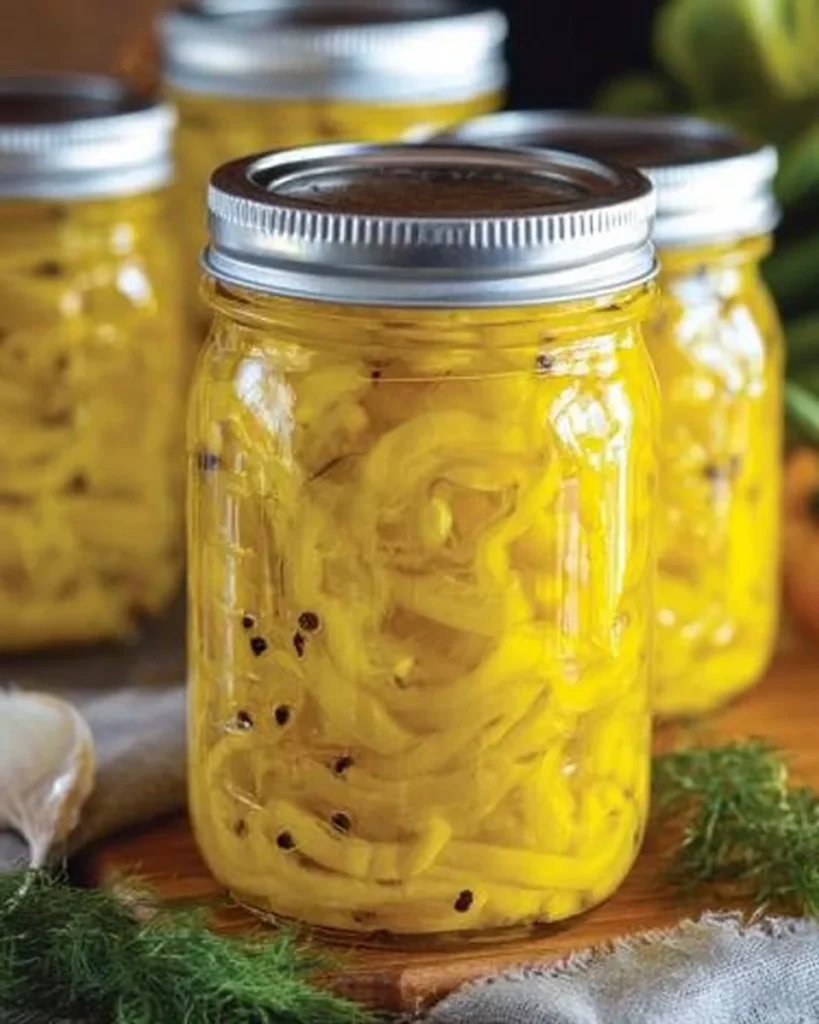
Homemade Pickled Banana Peppers
Ingredients
Method
- Wash the mason jar in hot soapy water and rinse well.
- Cut the banana peppers into 1/4-inch slices and stuff them into the clean jar, adding the bay leaf once the jar is about halfway full.
- Measure the vinegar, sugar, pickling salt, black peppercorns, and water into a saucepan.
- Over medium heat, bring the mixture to a boil.
- Carefully pour the hot liquid into the jar with the peppers until the peppers are submerged.
- Allow the jar of peppers to rest at room temperature for one hour.
- Place a lid on the jar and refrigerate.
- Let the peppers sit in the fridge for at least three days for better flavor.