
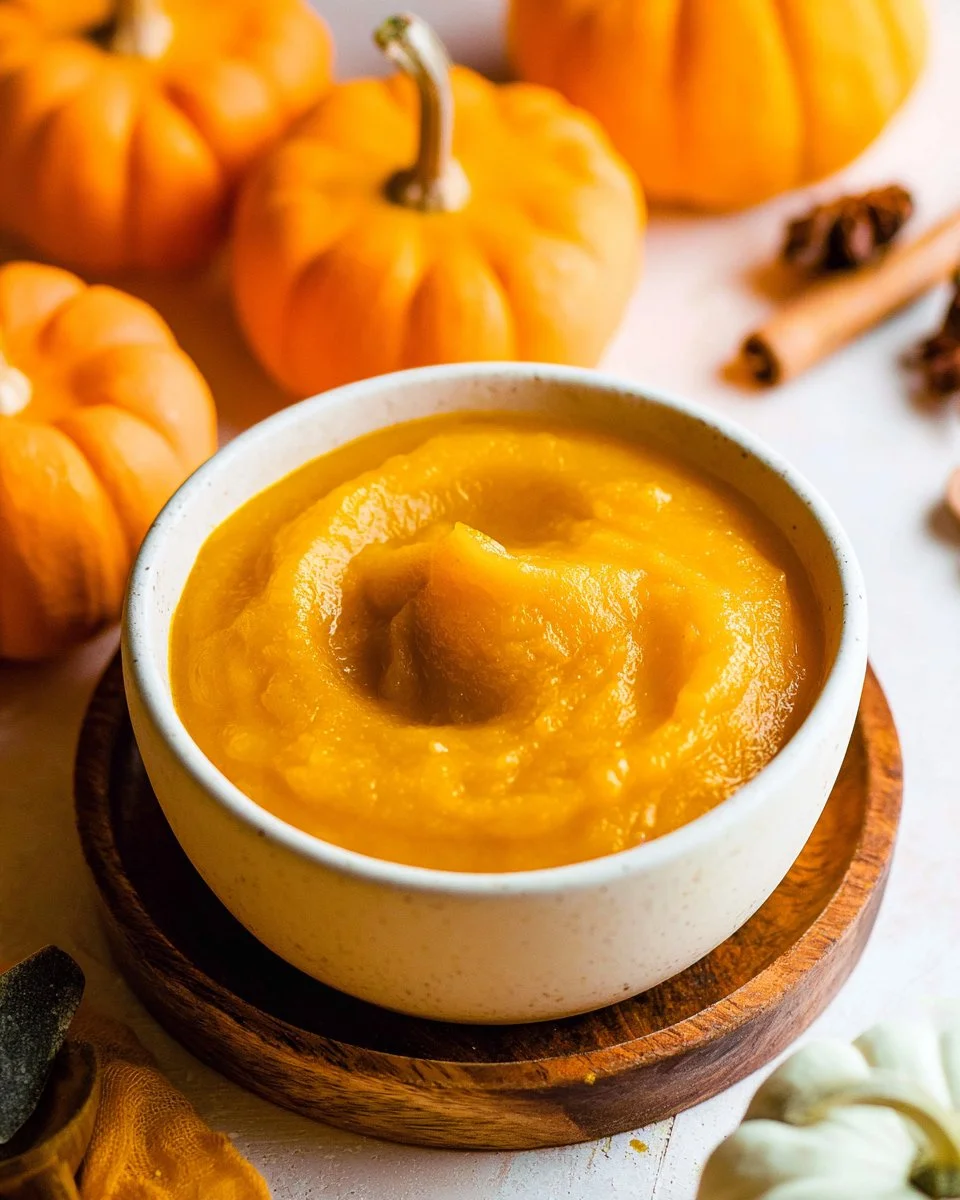
As the cooler months arrive, our cravings for comforting flavors heighten, and nothing embodies the essence of autumn quite like pumpkin puree. This smooth and creamy ingredient isn’t just a staple for pies; it can transform a variety of dishes into seasonal delights. Whether you’re stirring it into soups for a rich texture or incorporating it into baked goods for a touch of sweetness, homemade pumpkin puree elevates any recipe. Making your own allows you to control the quality and freshness of the ingredients.
Not only is pumpkin puree delicious, but it also boasts a myriad of nutritional benefits, including fiber and antioxidants, making it a guilt-free addition to your meals. The process of creating this velvety puree is simple and rewarding, providing you with a fantastic ingredient for all those fall recipes. Let’s get started on crafting your own pumpkin puree that captures all the flavor of the season.
Quick Answer
To make pumpkin puree, roast a sugar pumpkin until it’s tender, scoop out the flesh, and blend it until smooth. It’s easy, delicious, and perfect for your favorite autumn recipes!
Why You’ll Love This Recipe
This method for making pumpkin puree offers several fantastic benefits that make it a favorite among home cooks:
- Freshness: Homemade puree is unmatched in taste and texture compared to store-bought options.
- Versatility: Perfect for both sweet and savory dishes, this puree adapts to any recipe calling for pumpkin.
- Nutritional value: Packed with vitamins and fiber, it’s a healthy addition to your meals.
- Easy preparation: The process is straightforward, requiring minimal tools and ingredients.
- Seasonal delight: It captures the essence of fall and can provoke nostalgia with its rich flavor.
- Cost-effective: Making your own puree can be more economical than buying canned varieties.
- Creative freedom: You can adjust the consistency to suit your specific recipes.
What Makes This Recipe Special
This recipe is designed to bring out the best in sugar pumpkins. Roasting them enhances their natural sweetness and flavor, ensuring that your puree is rich and creamy. Unlike many store-bought purees that may include preservatives or additives, homemade pumpkin puree is pure and straightforward. The careful roasting process allows for a depth of flavor that readily complements both sweet and savory dishes. Additionally, using fresh pumpkins means you have the freedom to adjust the thickness and creaminess to your liking, setting the stage for endless culinary possibilities.
Kitchen Tools You’ll Need
- Sharp Knife – For safely cutting the pumpkin in half.
- Spoon – To scrape out the seeds and strings from the pumpkin.
- Baking Sheet – Essential for roasting the pumpkin halves.
- Parchment Paper – Helps to keep the baking sheet clean and prevents sticking.
- Food Processor or Blender – Needed to puree the roasted pumpkin flesh into a smooth consistency.
- Measuring Cup – Useful if you decide to portion out your pumpkin puree for recipes.
Ingredients
sugar pumpkin: The star of this recipe, a sugar pumpkin provides the right sweetness and smooth texture needed for creamy puree.
Ready to cook? Scroll to the recipe card below for exact measurements.
How to Make How to Make Pumpkin Puree
Phase 1 – Prep
STEP 1. Clean the pumpkin. Remove any dirt from the outside of your pumpkin, then cut it in half and scrape out the seeds and stringy bits with a spoon.
Phase 2 – Cook
STEP 2. Preheat the oven. Heat your oven to 400 degrees F. Place the pumpkin halves cut-side down on a baking sheet lined with parchment.
STEP 3. Roast the pumpkin. Roast for 45 to 60 minutes or until the pumpkin is very soft inside and fork tender.
STEP 4. Cool down and scrape. Remove the pumpkin from the oven and let it cool. Once cool, scrape off the flesh of the pumpkin, leaving the shell behind. If the flesh is too thick to scrape, roast it longer.
Phase 3 – Serve
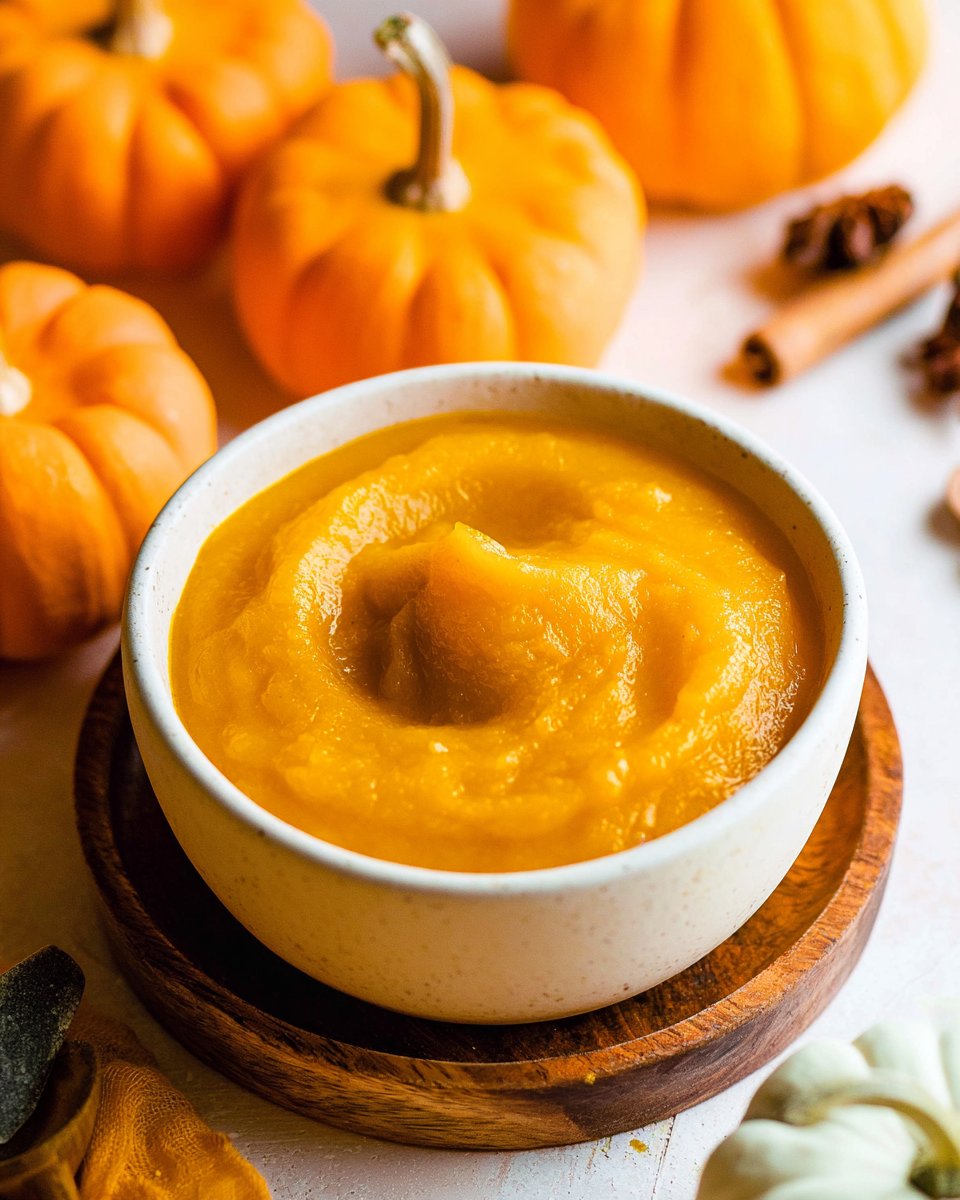
STEP 5. Puree the flesh. Place the scraped pumpkin flesh in a food processor or high-powered blender and puree until it reaches a smooth and creamy consistency.
STEP 6. Let cool completely. Allow the puree to cool completely before using or refrigerating for later use. Strain if needed for thickness.
Why This Recipe Works
The simplicity of roasting sugar pumpkins not only enhances their natural sweetness but also creates a pleasing texture, which is critical for any puree. The heat concentrates the flavor, resulting in a deceptively rich and savory end product. Additionally, using just the pumpkin allows for an authentic taste that is hard to replicate with store-bought versions, which may contain chemicals or preservatives. Blending the cooled pumpkin results in a silky texture that feels luxurious in the mouth, making it perfect for soups, pies, and side dishes. The ease of preparation makes it a go-to method for home cooks looking to capture the essence of fall’s harvest.
Pro Tips
To ensure the best results when making pumpkin puree, consider these pro tips:
- Choose fresh, firm sugar pumpkins for the best flavor and texture.
- Don’t rush the roasting process; allowing the pumpkin to become fork-tender enhances the flavors.
- For smoother puree, blend the roasted pumpkin flesh in batches if necessary.
- After pureeing, taste your pumpkin puree; a pinch of cinnamon or nutmeg can elevate the flavor without overwhelming the natural taste.
- Store your puree in airtight containers for optimal freshness.
- If you find your puree is too watery, continue to blend it until you achieve the desired thickness.
Common Mistakes to Avoid
Here are some common pitfalls to be mindful of while making pumpkin puree:
- Mistake: Using large carving pumpkins.
- Mistake: Not roasting long enough.
- Mistake: Skipping the cooling phase.
- Mistake: Not straining the puree.
Why it happens: Many assume any pumpkin can be used interchangeably.
How to fix it: Stick to sugar pumpkins or “pie pumpkins” for the best flavor and texture.
Why it happens: Rushing the cooking process in hopes of saving time.
How to fix it: Ensure the flesh is fork-tender before removing it from the oven.
Why it happens: Impatience to start using the puree.
How to fix it: Allow the pumpkin to cool completely to enhance flavor and texture before blending.
Why it happens: Overlooking the need for proper texture.
How to fix it: After pureeing, strain if it appears too watery for your intended use.
Variations
- Add spices like cinnamon or nutmeg for a flavored version.
- Combine with maple syrup for a sweeter puree.
- Mix in other roasted vegetables for a unique blend.
- Incorporate vanilla extract for added warmth.
- Use as a base for soups to give them a velvety richness.
Nutrition Highlights
| Nutrient | Role |
|---|---|
| Fiber | Aids digestion and promotes a feeling of fullness. |
| Vitamin A | Essential for vision and immune function. |
| Antioxidants | Support overall health and protect against oxidative stress. |
Serving Ideas
Pumpkin puree can be used in a plethora of dishes. Mix it into your morning oatmeal with nuts and dried fruit for a comforting breakfast. Add it to smoothies for a nutrient boost and a beautiful color. Use it as a filling for ravioli or as a topping for pancakes to surprise your family with a seasonal treat. It’s excellent in soups, adding depth to flavors while also thickening the consistency, making for a cozy fall meal.
Best Occasions for This Recipe
This pumpkin puree recipe is perfect for various occasions, particularly fall gatherings such as Thanksgiving, where it can take center stage in pies and side dishes. It’s also great for family dinners where comfort food is a must, or any time you’re in the mood for a seasonal recipe. Busy weekdays call for quick meals, making this puree a fantastic base for a quick soup or pasta sauce, adding both flavor and nutrition.
Meal Prep & Storage
Meal Prep
Making pumpkin puree in advance can save time during meal prep. Roast and puree your pumpkins at the beginning of the week to have fresh puree ready for recipes.
Refrigeration
Store any leftover pumpkin puree in an airtight container in the refrigerator for up to a week.
Freezing
Pumpkin puree freezes well! Portion it out into freezer-safe bags or containers for up to three months.
Reheating
When ready to use from frozen, thaw overnight in the refrigerator and warm gently in a pot or microwave before incorporating into your dishes.

FAQs
How long can I store homemade pumpkin puree?
Pumpkin puree can be stored in the refrigerator for up to a week or frozen for up to three months.
Can I use other types of pumpkins for puree?
It’s best to use sugar pumpkins, as they provide the right sweetness and texture. Other types may result in a watery or bland puree.
How do I know when the pumpkin is done roasting?
The pumpkin is done when it’s very soft inside and can be easily pierced with a fork.
Can I add spices to my pumpkin puree?
Absolutely! You can mix in spices after pureeing for added flavor, just be careful not to overwhelm the natural taste.
Is it necessary to strain the pumpkin puree?
Straining is optional. You may do so if your puree is too watery for your recipe needs.
Save This Recipe for Later
Pin this recipe and enjoy making your own pumpkin puree whenever you crave that comforting flavor this fall!
Conclusion
Homemade pumpkin puree is not only easy to make but also enhances the flavors of your fall recipes. Whether you’re whipping up a classic pumpkin pie or adding a creamy texture to soups, this simple recipe deserves a spot in your kitchen. Capture the essence of autumn and enjoy the benefits of fresh, homemade ingredients!
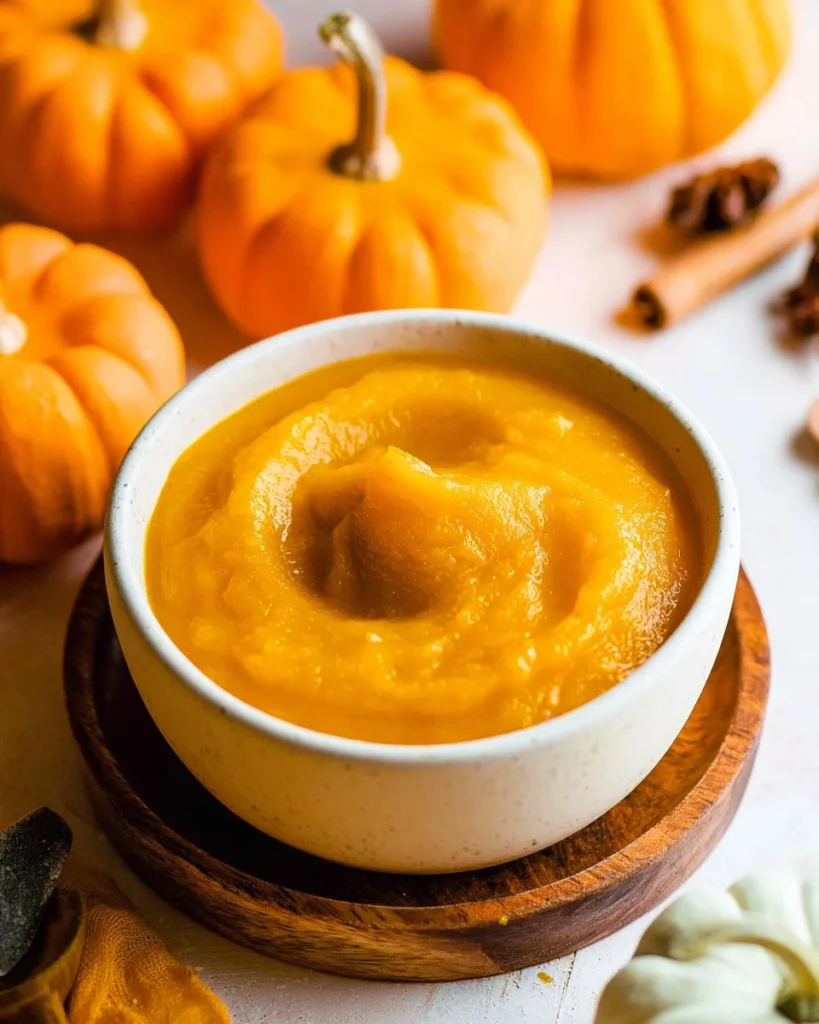
Pumpkin Puree
Ingredients
Method
- Clean the pumpkin. Remove any dirt from the outside, then cut it in half and scrape out the seeds and stringy bits with a spoon.
- Preheat the oven to 400 degrees F. Place the pumpkin halves cut-side down on a baking sheet lined with parchment.
- Roast for 45 to 60 minutes or until the pumpkin is very soft inside and fork tender.
- Remove the pumpkin from the oven and let it cool. Once cool, scrape off the flesh of the pumpkin, leaving the shell behind.
- Place the scraped pumpkin flesh in a food processor or blender and puree until it reaches a smooth and creamy consistency.
- Allow the puree to cool completely before using or refrigerating for later use. Strain if needed for thickness.