
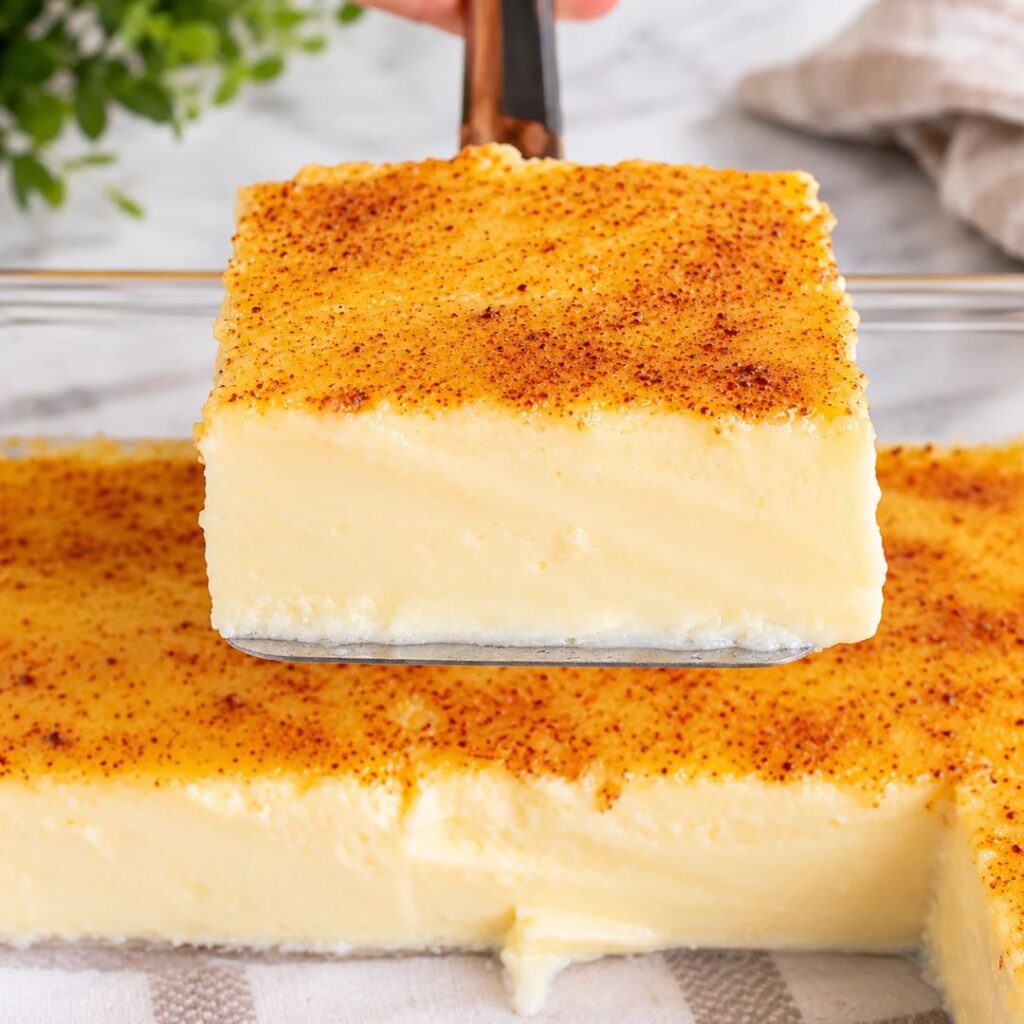
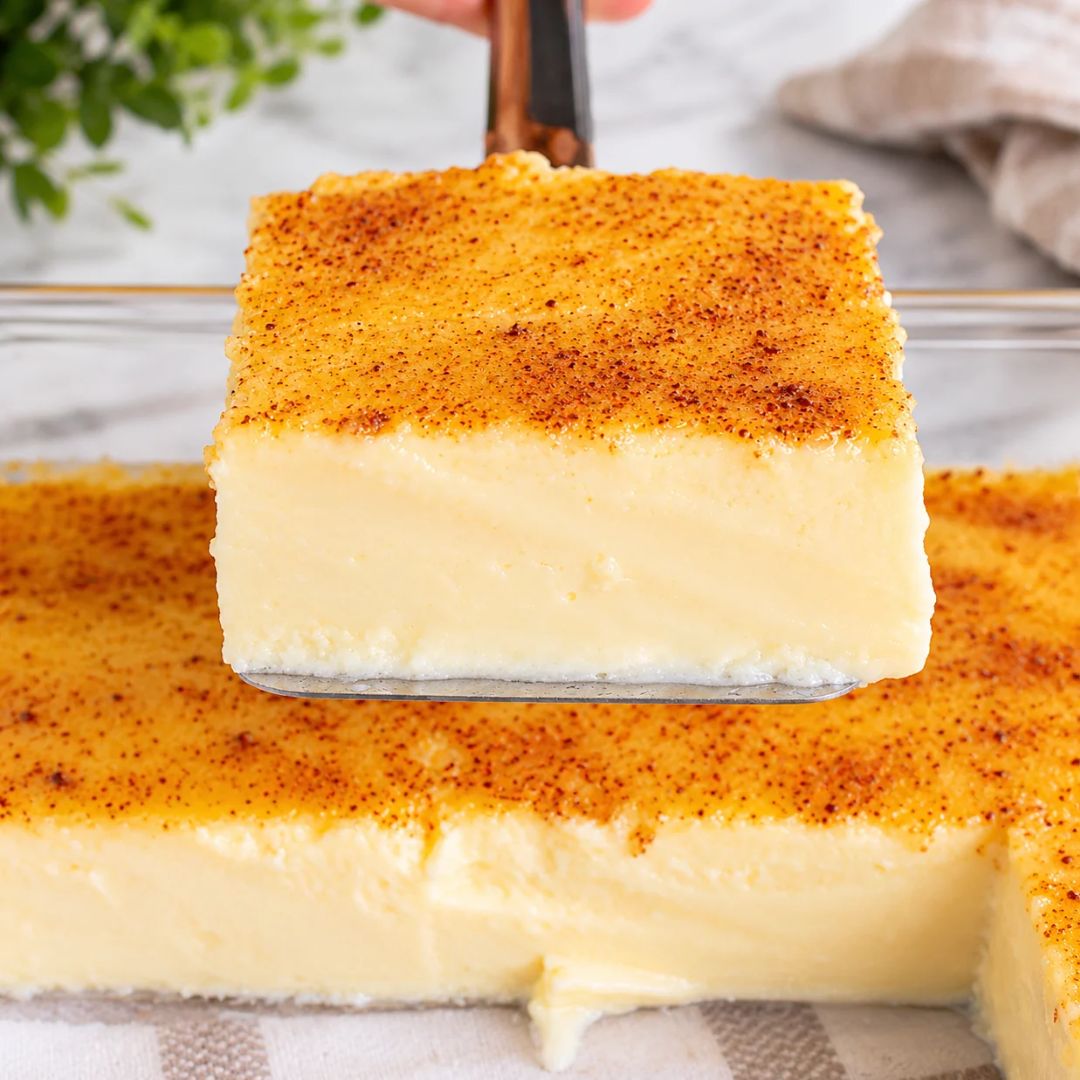
This Fail-Proof Egg Custard is a silky, old-fashioned dessert made with just a handful of simple ingredients: eggs, milk, sugar, vanilla, salt, and a sprinkle of nutmeg. Baked gently in a water bath, it turns into a smooth, delicate custard with a lightly set center and a comforting homemade flavor.
It is the kind of dessert that feels nostalgic from the first bite. Whether you serve it warm on a cozy evening or chilled after a holiday dinner, this classic custard is simple, elegant, and surprisingly easy to get right when you follow a few key steps.
Why You’ll Love This Recipe
Egg custard is proof that the best desserts do not need to be complicated. With basic pantry ingredients, you can create a creamy, subtly sweet treat that tastes like something Grandma would have made.
This recipe is especially reliable because it uses a water bath and properly tempered milk. Those two techniques help prevent curdling, keep the texture silky, and give the custard that soft, delicate wobble everyone loves.
It is also versatile. Serve it plain with nutmeg, top it with whipped cream, or add fresh berries for a brighter finish. You can enjoy it warm, room temperature, or chilled, making it a great make-ahead dessert for any occasion.
Ingredients You Need
- 5 large eggs
- 1/2 cup granulated sugar
- 1 1/2 teaspoons vanilla extract
- 1/2 teaspoon salt
- 4 cups whole milk or 2% milk
- Ground nutmeg, for topping
The eggs create the structure, the sugar adds gentle sweetness, and the milk gives the custard its creamy body. Vanilla and salt balance the flavor, while nutmeg adds that classic warm, cozy finish.
For the richest result, use whole milk. If you prefer a slightly lighter custard, 2% milk works beautifully too.
How to Make Fail-Proof Egg Custard
Start by preheating your oven to 350°F. Lightly grease an 8×8-inch baking dish and set it aside.
In a large mixing bowl, whisk together the eggs, sugar, vanilla, and salt until smooth and well combined. Try not to whip too much air into the mixture, since too many bubbles can affect the final texture.
Next, heat the milk in a small saucepan over medium heat. Warm it until it reaches about 180°F, or just before it begins to simmer. Do not let it boil, because boiling milk can affect the texture of the custard.
This is the most important step: slowly pour the hot milk into the egg mixture in a thin stream while whisking constantly. This gently warms the eggs without scrambling them. Once all the milk has been added, whisk for another minute.
For the smoothest custard, pour the mixture through a fine-mesh strainer into the prepared baking dish. This removes any small bits of cooked egg or foam.
Sprinkle nutmeg over the top, then place the custard dish inside a larger roasting pan. Carefully pour hot water into the larger pan until it reaches about 1 inch deep. Be careful not to splash water into the custard.
Bake for 45 to 50 minutes, or until a knife inserted near the center comes out clean. The custard should still jiggle slightly in the middle. Remove it from the oven and allow it to cool. It will continue to set as it cools, so avoid the temptation to keep baking it.
The Secret to a Smooth Custard
The biggest mistake people make with egg custard is adding hot milk too quickly. If the milk is poured in all at once, the eggs can cook too fast and create a grainy or curdled texture.
Instead, temper the eggs by slowly streaming in the hot milk while whisking nonstop. This gradually raises the temperature of the eggs and creates a smooth, uniform custard base.
The second secret is the water bath. Baking the custard surrounded by hot water helps it cook gently and evenly. It protects the eggs from direct, intense heat and gives the custard its signature silky texture.
Finally, do not overbake. Custard continues to firm up as it cools, so it should still have a slight jiggle when you remove it from the oven.
Serving Suggestions
Serve this egg custard warm for the ultimate comforting dessert, or chill it for several hours if you prefer a firmer texture. Both versions are delicious.
For a simple finish, add a light dusting of nutmeg or cinnamon. For something more special, top each serving with whipped cream, fresh berries, sliced bananas, caramel sauce, or a spoonful of fruit preserves.
This custard is also lovely alongside a cup of coffee or tea. Its mild sweetness makes it a perfect after-dinner dessert that is not overly rich.
Easy Variations
- Cinnamon custard: Replace the nutmeg with cinnamon for a warmer, cozier flavor.
- Vanilla bean custard: Use vanilla bean paste or the seeds from half a vanilla bean for a more aromatic dessert.
- Maple custard: Replace some of the sugar with maple syrup for a deeper, cozy sweetness.
- Coconut custard: Use half coconut milk and half regular milk, then top with toasted coconut.
- Individual custards: Divide the mixture among ramekins and adjust the baking time as needed.
Storage Instructions
Refrigerate leftover custard in an airtight container for up to 3 to 4 days. It is best enjoyed chilled or allowed to sit at room temperature for a few minutes before serving.
Avoid freezing egg custard, as the texture can become grainy once thawed. If you want to make it ahead, prepare it a day in advance and keep it covered in the refrigerator.
Nutrition Information
Estimated per serving, based on 9 servings.
| Nutrient | Amount |
|---|---|
| Calories | Approximately 180 kcal |
| Protein | 7 g |
| Fat | 8 g |
| Carbohydrates | 19 g |
| Sugar | 16 g |
| Calcium | 180 mg |
Nutrition values are estimates and may vary depending on the type of milk, portion size, and toppings used.
FAQ
Why did my custard curdle?
It was likely overbaked, or the hot milk was added too quickly. Heat the milk to 180°F, temper it slowly into the eggs, and remove the custard as soon as a knife comes out clean.
Can I use low-fat milk?
Yes. 2% milk works well, but whole milk gives the creamiest, richest custard.
Do I really need a water bath?
Yes. The water bath helps the custard bake gently and evenly, which is key to preventing curdling.
Can I make egg custard ahead of time?
Absolutely. Make it a day ahead and refrigerate it until serving. The flavor and texture are excellent when chilled.
Why is my custard watery?
It may have been underbaked. Bake until a knife inserted near the center comes out clean, then allow it to cool completely so it can finish setting.
Conclusion
This Fail-Proof Egg Custard is a timeless dessert that proves simple ingredients can create something truly special. With its silky texture, warm vanilla flavor, and cozy nutmeg topping, it is a comforting recipe you will want to make again and again.
Follow the slow-milk technique, use a water bath, and avoid overbaking, and you will have a smooth, creamy custard every single time.

Fail-Proof Egg Custard
Ingredients
Equipment
Method
- Preheat oven to 350°F and lightly grease an 8×8 baking dish.
- In a large bowl, beat together the eggs, sugar, vanilla, and salt.
- In a small saucepan, heat the milk to about 180°F or just before it starts to simmer (do not boil).
- Very slowly pour a stream of the hot milk into the egg mixture while continuously whisking until fully combined. Whisk the final mixture for one additional minute.
- Pour into the prepared baking dish and sprinkle nutmeg over the top if desired.
- Fill a larger baking dish with water until it is about 1 inch deep. Place the dish of custard into the larger dish of water, careful not to splash.
- Place the doubled dishes in the oven and bake for 45-50 minutes or until an inserted knife comes out clean, custard will still jiggle. Be careful not to overbake as the custard will curdle.
- Serve warm or chilled, and top with whipped cream, fruit, or additional spices. Refrigerate any leftovers.