
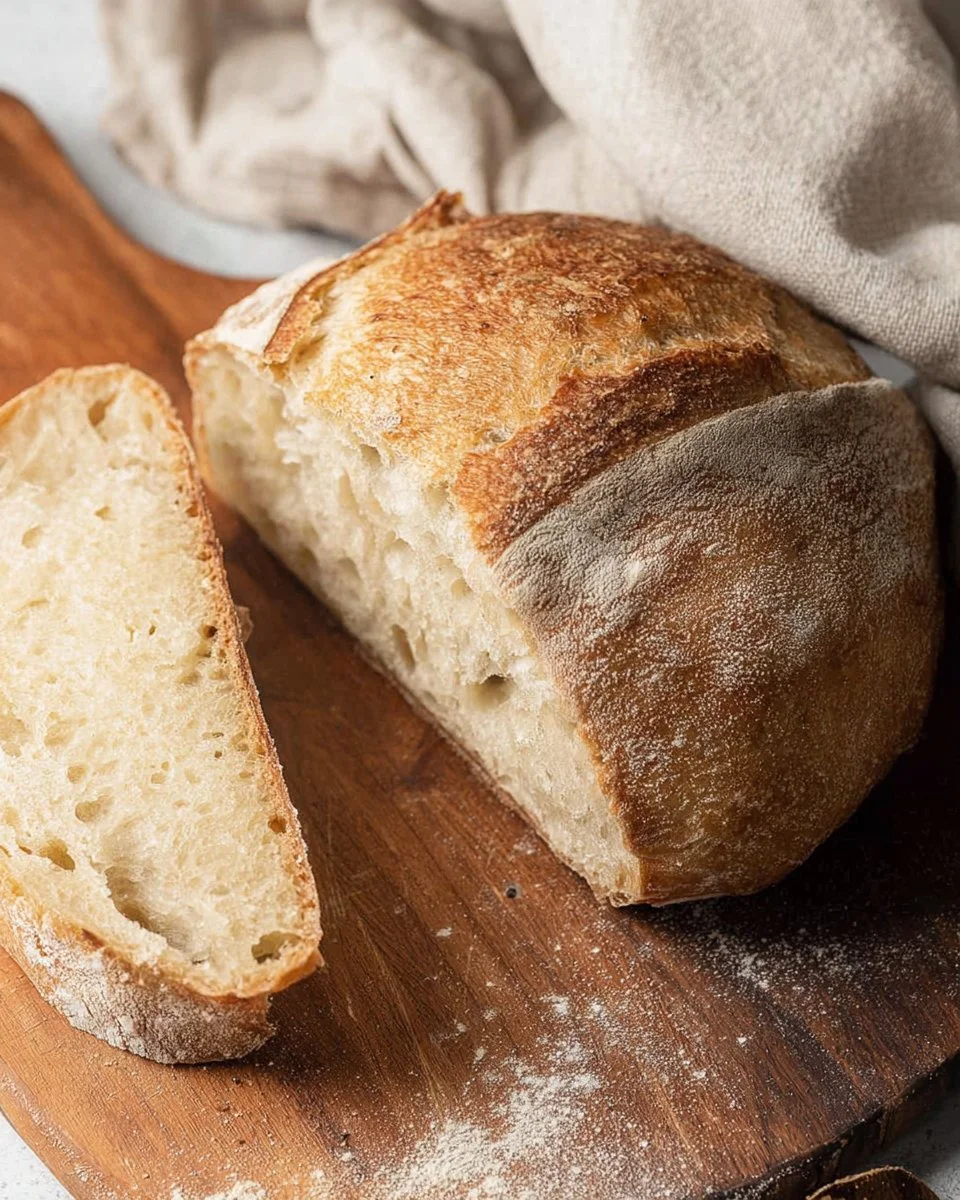
Imagine the delightful aroma of freshly baked bread wafting through your kitchen, drawing in family and friends like a warm hug on a chilly day. The charm of homemade bread lies not just in the tempting scent but also in the crispy crust that gives way to a soft, chewy interior. There’s something uniquely satisfying about crafting a loaf from scratch, especially when it unfolds into a beautiful, artisanal creation that’s both visually stunning and irresistibly flavorful. This comforting loaf of goodness is perfect for soaking up soups, spreading with butter, or enjoying simply with a sprinkle of salt. Whether you’re a seasoned baker or trying your hand at bread-making for the first time, this recipe will lead you to success, delivering a rustic, hearty loaf that epitomizes homemade charm.
Why You’ll Love This Recipe
This Dutch oven sourdough bread is more than just a recipe; it’s a simple yet rewarding project for homebakers at any skill level. The use of a Dutch oven creates a steamy environment that locks in moisture, resulting in a crusty exterior while maintaining a soft and airy crumb. Each bite is a balance of flavor and texture that elevates your meals far beyond store-bought alternatives. With minimal ingredients—water, sourdough starter, bread flour, and salt—you can transform basic pantry staples into a culinary delight. The satisfying process of mixing, folding, and baking makes this not just a cooking task, but a delightful experience filled with anticipation. Your family will surely love the rich taste and texture that only homemade bread can provide.
What Makes This Recipe Special
The magic of this sourdough recipe lies in its simplicity and the unique flavor profile that develops through slow fermentation. The active sourdough starter introduces beneficial bacteria and yeast, giving each loaf its characteristic tangy flavor and ensuring a light, airy texture. The slow fermentation process allows the dough to develop complex flavors that you simply can’t find in commercially-produced bread. Additionally, the use of a Dutch oven makes the baking process efficient and foolproof, allowing anyone to achieve professional-quality results from the comfort of their home. The versatility of this bread means it can be easily adapted with various herbs, spices, or add-ins, making it an excellent base for countless delicious creations.
Ingredients
water: Essential for hydrating the dough and activating the starter.
sourdough starter: The key ingredient that provides yeast and flavor to the bread.
strong bread flour: Offers the right protein content for a chewy and robust loaf.
fine sea salt: Enhances flavor and regulates yeast activity in the dough.
How to Make Dutch Oven Sourdough Bread
STEP 1. Combine water and starter. In a large bowl, combine the water and sourdough starter, stirring until dissolved.
STEP 2. Add flour and mix. Include the strong bread flour and mix until the dough is shaggy and no dry flour remains.
STEP 3. Add salt. Sprinkle fine sea salt over the dough and mix until fully incorporated.
STEP 4. Rest the dough. Cover the bowl and let the dough rest at room temperature for 30 minutes to hydrate the flour.
STEP 5. First stretch and fold. With slightly wet hands, grab one side of the dough, stretch it up and fold over the center. Rotate the bowl and repeat for all four sides. Cover and rest for 30 minutes.
STEP 6. Second stretch and fold. Repeat the stretch-and-fold process. Cover and rest for another 30 minutes. Add inclusions if desired.
STEP 7. Shape the loaf. Lightly flour the counter, turn out the dough, gently flatten it, and fold edges towards the center. Flip seam-side down and tighten the dough on the counter until smooth.
STEP 8. Cold proof the dough. Place the dough in a lightly floured bowl, seam-side up, cover well, and refrigerate for 12-18 hours.
STEP 9. Preheat the Dutch oven. Place a 4-quart Dutch oven with lid into the oven and preheat to 450ºF (230ºC) for 45-60 minutes.
STEP 10. Transfer the dough. Turn the cold dough onto parchment paper seam-side down and score the top with a sharp blade.
STEP 11. Bake the bread. Carefully transfer the dough into the hot Dutch oven, cover with the lid, and bake for 30 minutes.
STEP 12. Finish baking. Reduce the temperature to 375ºF (190ºC), remove the lid, and continue baking for 15 minutes until the crust is deep golden brown.
STEP 13. Cool before slicing. Transfer the bread to a rack and let cool for at least 1 hour before slicing.
Pro Tips
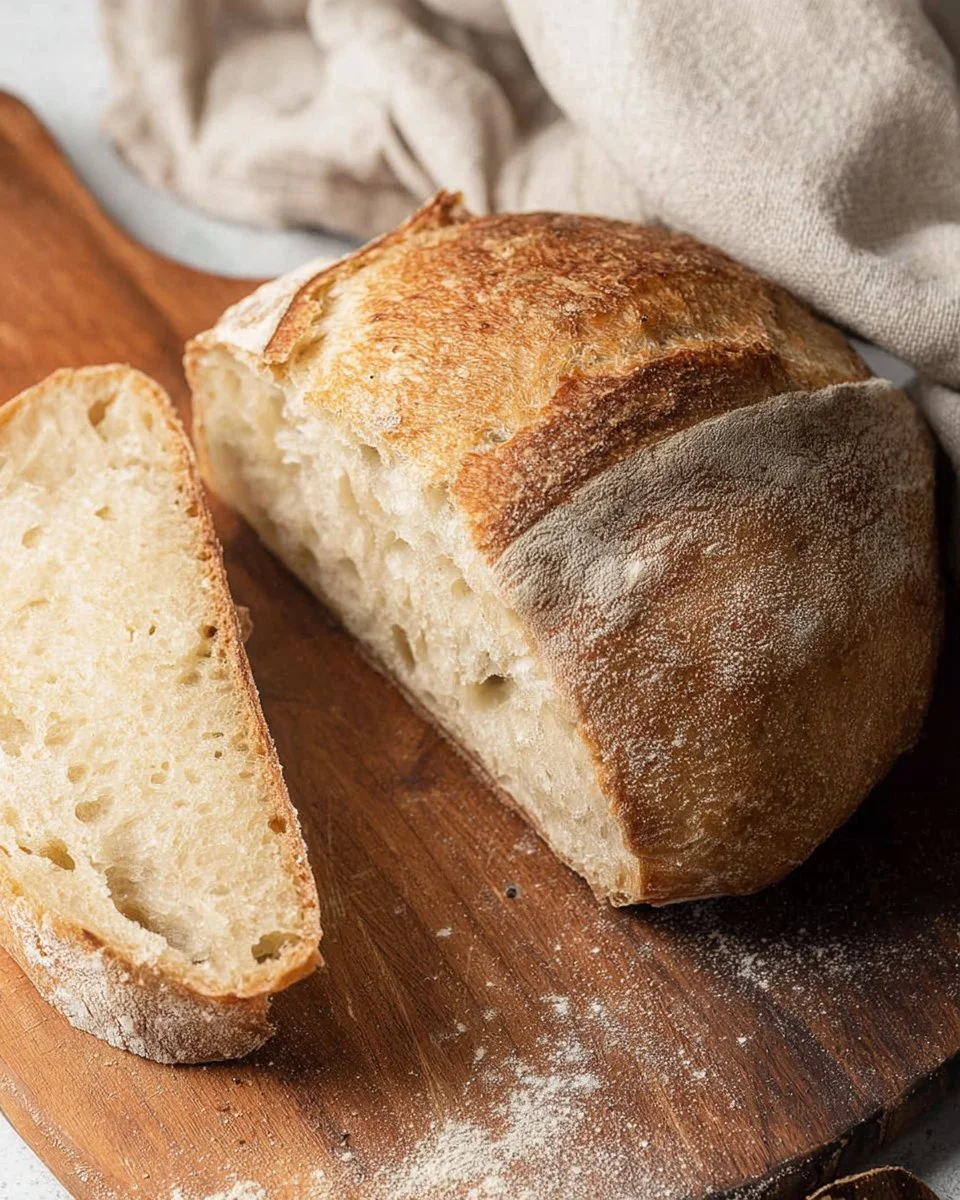
To achieve the best results, start with an active and bubbly sourdough starter, which contributes to the rise and flavor of your bread. Make sure to use high-protein bread flour for the best structure and chewiness. Control the dough’s hydration by adjusting the water slightly depending on the flour you choose. Experiment with the resting times; longer cold proofs can lead to more complex flavors. When transferring the dough to the Dutch oven, be gentle as you don’t want to deflate it. Creating a good crust involves ensuring sufficient steam in the Dutch oven, so it’s essential to preheat it well. Lastly, let the bread cool completely before slicing to allow the crumb to set correctly.
Common Mistakes to Avoid
When making sourdough, one common mistake is not allowing the dough to rest long enough during the autolyse phase, which can result in uneven texture. Make sure to maintain patience through the fermentation and proofing stages; rushing these can lead to dense bread. Additionally, ensure that your starter is fully active before using it. Using the wrong type of flour can also affect the texture and rise, so stick with bread flour. Over-scoring or under-scoring can impact how the bread expands during baking, so practice your technique for the best results. Finally, bake your bread until it’s properly browned; under-baking can lead to a gummy interior.
Variations
• Incorporate herbs like rosemary or thyme for a fragrant twist.
• Add seeds such as sesame or pumpkin for an extra crunch.
• Use whole wheat flour for a nuttier flavor and additional health benefits.
• Include cheese or olives for a savory bread option.
• Experiment with caramelized onions or roasted garlic for a gourmet touch.
Serving Ideas
Pair your fresh bread with a variety of toppings, like homemade spreads or preserved jams. Slice it thinly for delicious sandwiches filled with meats, cheeses, and crisp veggies. Use it as a base for bruschetta with fresh tomatoes and basil. Serve alongside soups and stews to soak up flavorful broths, or simply enjoy it toasted with butter or olive oil.
Meal Prep & Storage
Allow your bread to cool completely before storing to maintain its freshness. Wrap it in a clean kitchen towel or place in a paper bag to keep the crust crisp. For longer storage, slice your bread and place it in an airtight container in the freezer. When you’re ready to enjoy, toast slices directly from the freezer or let them thaw at room temperature. Homemade sourdough can last several days at room temperature when stored properly.
FAQs
How do I know my sourdough starter is ready to use?
Look for bubbles on the surface and a doubling in size within a few hours of feeding. It should have a pleasant, slightly tangy aroma.
Can I use all-purpose flour instead of bread flour?
Yes, you can substitute all-purpose flour, but the bread may have a slightly different texture and rise due to lower protein content.
What should I do if my bread doesn’t rise?
If your bread doesn’t rise, it’s likely due to inactive starter or insufficient fermentation time. Make sure the starter is bubbly and active, and give the dough ample time to proof.
How can I achieve a crustier exterior?
Preheating your Dutch oven is key, as it creates steam, which helps achieve that crispy crust. You can also sprinkle water in the oven right before baking.
What is the best way to slice sourdough bread?
Use a serrated knife and slice the bread once it’s completely cooled for clean, even cuts.
Conclusion
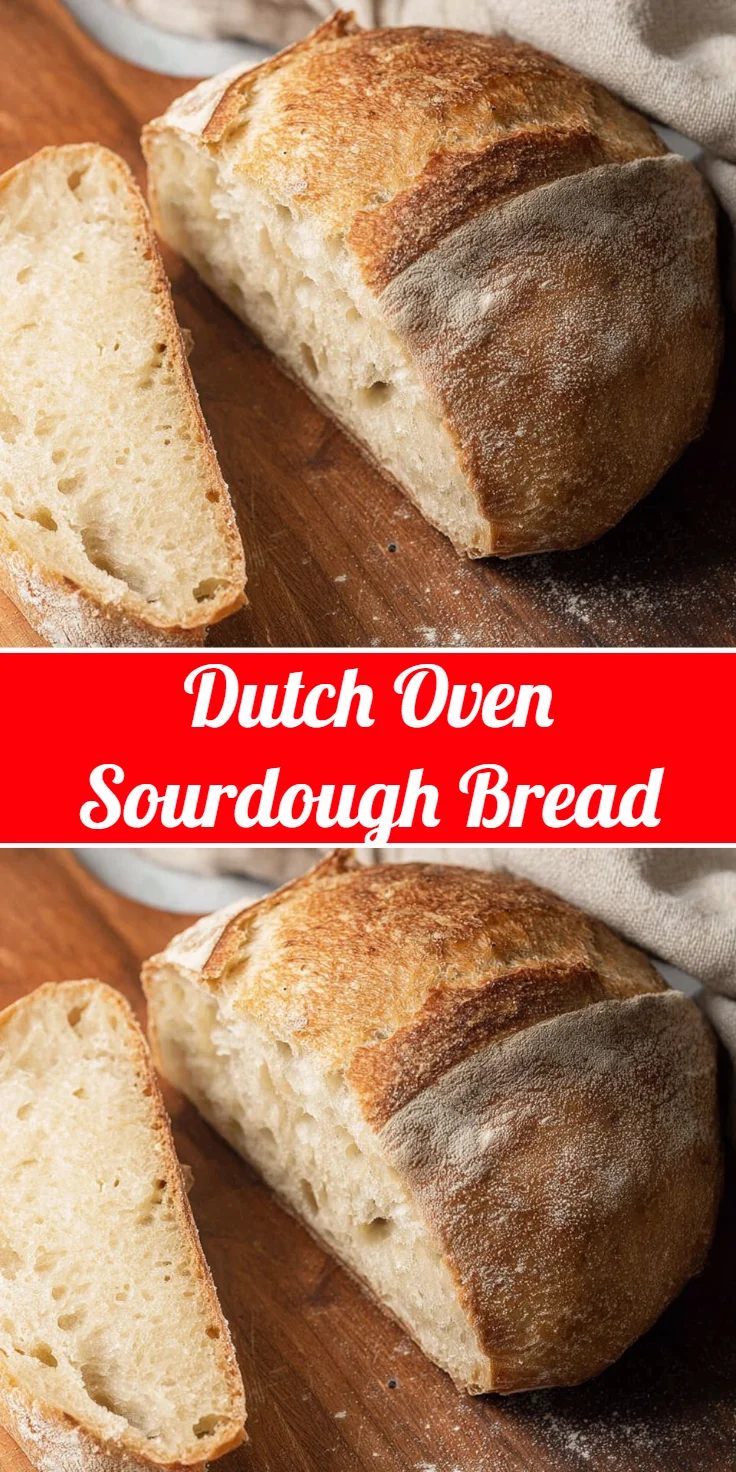
Baking your own sourdough bread is a fulfilling endeavor that rewards you with a deliciously satisfying loaf. With each slice, you’ll savor the intricate flavors and textures that only homemade bread can bring. Embrace the process and creativity involved in making this beloved kitchen staple, and enjoy sharing the fruits of your labor with loved ones. Soon, it will become a cherished addition to your baking repertoire!
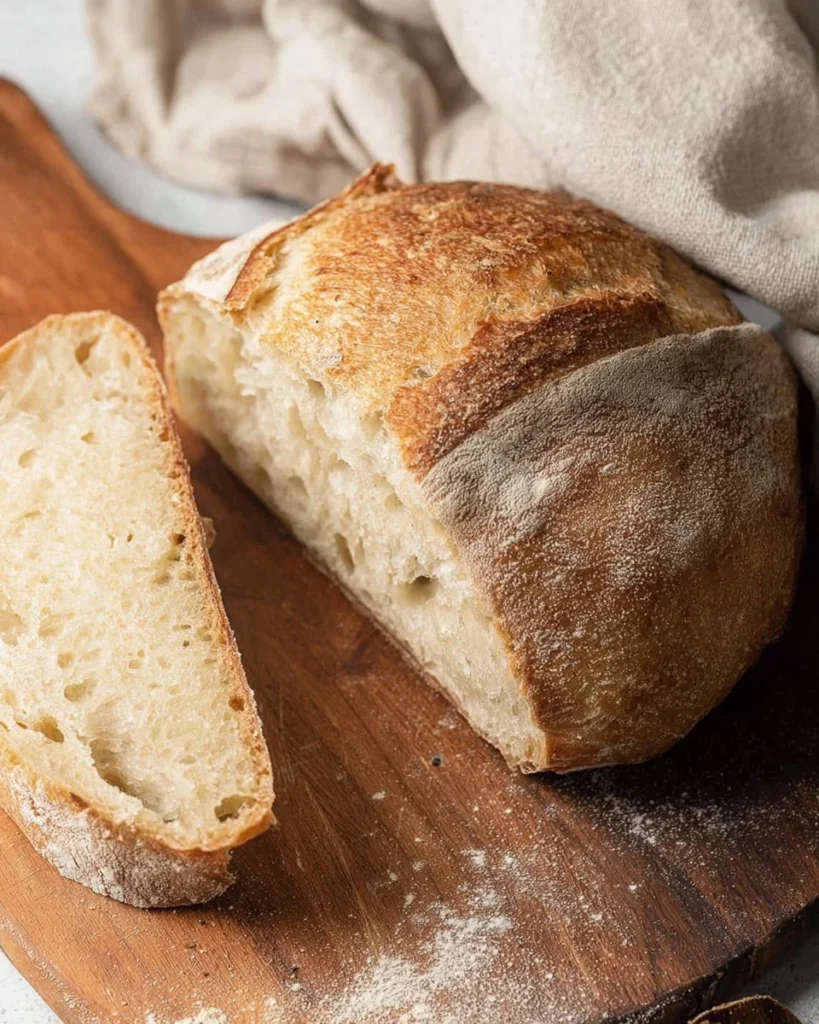
Dutch Oven Sourdough Bread
Ingredients
Method
- In a large bowl, combine the water and sourdough starter, stirring until dissolved.
- Include the strong bread flour and mix until the dough is shaggy and no dry flour remains.
- Sprinkle fine sea salt over the dough and mix until fully incorporated.
- Cover the bowl and let the dough rest at room temperature for 30 minutes to hydrate the flour.
- With slightly wet hands, grab one side of the dough, stretch it up and fold over the center. Rotate the bowl and repeat for all four sides. Cover and rest for 30 minutes.
- Repeat the stretch-and-fold process. Cover and rest for another 30 minutes. Add inclusions if desired.
- Lightly flour the counter, turn out the dough, gently flatten it, and fold edges towards the center. Flip seam-side down and tighten the dough on the counter until smooth.
- Place the dough in a lightly floured bowl, seam-side up, cover well, and refrigerate for 12-18 hours.
- Place a 4-quart Dutch oven with lid into the oven and preheat to 450ºF (230ºC) for 45-60 minutes.
- Turn the cold dough onto parchment paper seam-side down and score the top with a sharp blade.
- Carefully transfer the dough into the hot Dutch oven, cover with the lid, and bake for 30 minutes.
- Reduce the temperature to 375ºF (190ºC), remove the lid, and continue baking for 15 minutes until the crust is deep golden brown.
- Transfer the bread to a rack and let cool for at least 1 hour before slicing.