
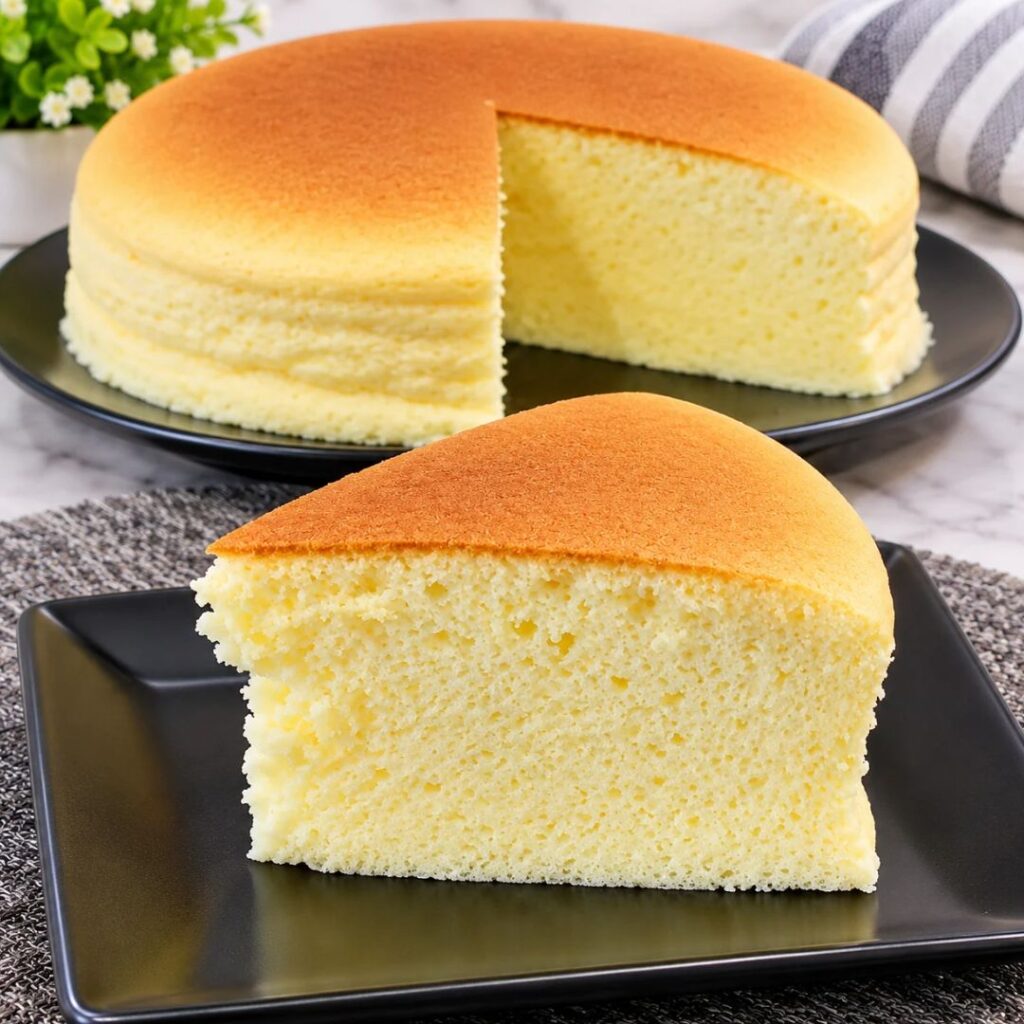
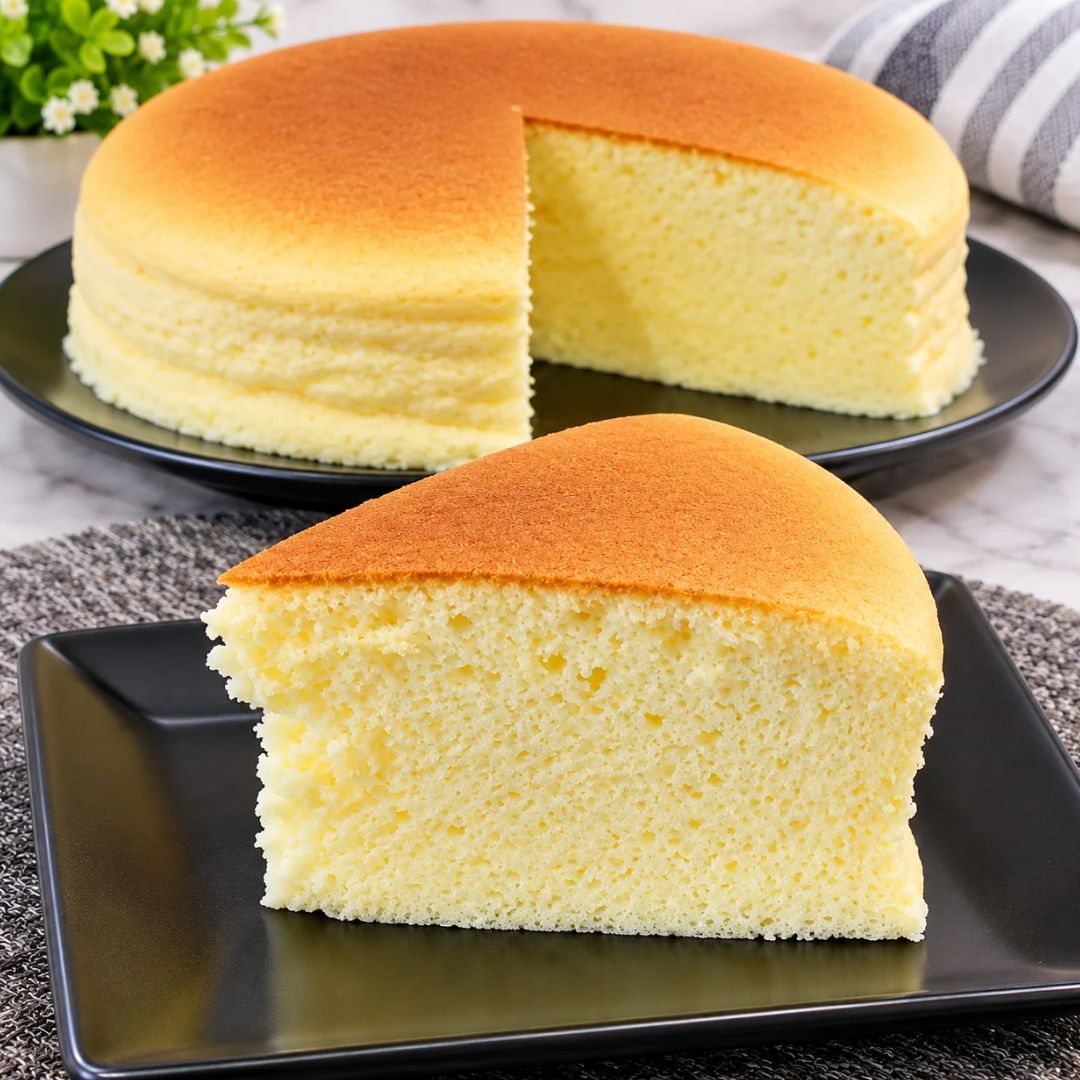
This Japanese cheesecake is soft, airy, and gently sweet, with the delicate soufflé-like texture that makes it so different from a classic dense cheesecake. Also known as Japanese soufflé cheesecake or cotton cheesecake, it has a light cream cheese flavor, a golden top, and a moist, jiggly center that almost melts in your mouth.
The secret to its signature texture is whipped egg whites. When folded carefully into the cream cheese batter and baked in a water bath, the cake rises beautifully and stays light, tender, and fluffy.
Why You’ll Love It
Japanese cheesecake is much lighter than traditional cheesecake, so it feels indulgent without being heavy. It is gently sweet rather than overly sugary, allowing the tangy cream cheese flavor to shine.
It is also a beautiful dessert for afternoon tea, birthdays, holidays, or any time you want something elegant but not overly rich. The texture is what makes it special: soft, moist, airy, and slightly jiggly when freshly baked.
Ingredients You Need
- Cream cheese for the smooth, tangy base.
- Milk and butter for moisture and richness.
- Eggs, with the whites whipped into a meringue for height and fluffiness.
- Powdered sugar to sweeten the cake without making it too heavy.
- Cake flour for a soft, tender crumb.
- Cornstarch to help create that delicate, slightly jiggly texture.
- Lime juice for a gentle tang that balances the cream cheese.
- Vanilla extract and salt for flavor.
Using full-fat cream cheese gives the best flavor and structure. Cake flour is also important because its lower protein content helps keep the crumb light and soft.
How to Make It
Start by placing the cream cheese, butter, and milk in a heatproof bowl. Set the bowl over a pot of gently simmering water and whisk until the mixture is smooth, creamy, and fully melted. Remove it from the heat and let it cool slightly.
Separate the eggs. Whisk the yolks into the warm cream cheese mixture until smooth. Sift in the cake flour and cornstarch, then mix gently until no lumps remain. Add the vanilla and salt and stir until combined.
In a clean, grease-free bowl, beat the egg whites until foamy. Add the powdered sugar gradually in three additions, then add the lime juice. Continue whipping until the meringue reaches soft peaks. The tip should curl over slightly rather than stand completely stiff.
Fold one-third of the meringue into the cream cheese batter to lighten it. Add the remaining meringue in portions, folding gently after each addition. Avoid stirring or overmixing, since that can deflate the batter.
Pour the batter into a parchment-lined 6-inch baking pan. Wrap the outside of the pan securely with foil, then place it in a larger baking pan. Pour hot water into the larger pan to create a water bath.
Bake at 302°F for 55 minutes, then increase the temperature to 356°F and bake for another 10 minutes, or until the top is lightly golden. Let the cheesecake cool completely before removing it from the pan and slicing.
Pro Tips for Success
Use softened cream cheese so it melts smoothly with the butter and milk. A lump-free base helps create a silky batter.
Keep the bain-marie gentle. The water should be hot but not violently boiling, since too much heat can cause the cream cheese mixture to separate.
Make sure the bowl and beaters are completely clean before whipping the egg whites. Even a small amount of grease or yolk can prevent the meringue from whipping properly.
Stop whipping at soft peaks. Stiff meringue can make the batter harder to fold and may contribute to cracking.
Fold the meringue gently rather than stirring it. This preserves the air bubbles that give Japanese cheesecake its fluffy, soufflé-like texture.
Wrap the pan tightly with foil before placing it in the water bath. This prevents water from leaking into the cheesecake.
Let the cake cool before slicing. It is very delicate when hot, and cooling helps the texture settle for cleaner slices.
Why Is It So Fluffy?
Japanese cheesecake gets its airy texture from whipped egg whites. The meringue adds air to the batter, creating a soft crumb that is closer to a soufflé or sponge cake than a dense New York cheesecake.
The water bath also plays an important role. It creates gentle, moist heat that helps the cake bake evenly and stay soft. This is why the cheesecake has that signature jiggle when it comes out of the oven.
A little shrinking as the cake cools is normal. However, excessive shrinking can happen if the meringue is under- or overwhipped, the batter is overmixed, or the cake is underbaked.
Serving Ideas
Serve this cheesecake plain to enjoy its delicate cream cheese flavor, or add a spoonful of strawberry compote for a fruity contrast. A small dollop of coconut kaya jam also pairs beautifully with its light sweetness.
For afternoon tea, serve it with a refreshing drink such as cucumber juice, watermelon juice, or lychee soda. If you prefer something creamy, Korean strawberry milk or rose milk tea makes a lovely pairing.
Storage
Store leftover Japanese cheesecake in a covered container in the refrigerator for up to 5 days. It is delicious cold, when the texture stays soft, creamy, and refreshing.
If you prefer it slightly warm, reheat a slice in the oven for about 5 minutes. Avoid overheating, as the delicate texture can dry out.
Nutrition Information
Estimated per slice, based on 12 slices.
| Nutrient | Amount |
|---|---|
| Calories | 63 kcal |
| Carbohydrates | 5 g |
| Protein | 2 g |
| Fat | 4 g |
| Saturated Fat | 2 g |
| Cholesterol | 36 mg |
| Sodium | 71 mg |
| Sugar | 3 g |
| Calcium | 14 mg |
| Iron | 0.2 mg |
FAQ
Why is Japanese cheesecake so fluffy?
The whipped egg whites create air in the batter, giving the cake its light, soufflé-like texture.
Why bake it in a water bath?
The water bath provides gentle, moist heat, helping the cheesecake bake evenly and reducing cracking.
Why did my cheesecake crack?
Cracking can happen if the oven is too hot, the meringue is overwhipped, or the cake rises too quickly.
Is it supposed to be jiggly?
Yes. A gentle wobble is normal when freshly baked. The cake firms up slightly as it cools.
Can I make it without a water bath?
It is not recommended for this recipe. The water bath is important for achieving the soft, delicate texture.
Conclusion
Japanese cheesecake is a light, fluffy, and elegant dessert that is perfect when you want cheesecake without the heaviness. With its golden top, delicate cream cheese flavor, and melt-in-your-mouth texture, it is a beautiful cake for celebrations, tea time, or a simple homemade treat.
If you enjoy cheesecake, other variations like burnt Basque cheesecake, ube cheesecake, and no-bake mango cheesecake offer delicious ways to explore different textures and flavors.

Japanese Cheesecake
Ingredients
Equipment
Method
- Place the cream cheese, butter, and milk in a mixing bowl. Set the bowl over a bain-marie (a pot of gently simmering water) and whisk gently until the cream cheese and butter are completely melted and the mixture is smooth and creamy. Remove the bowl from the heat and set aside.
- Separate the egg yolks from the egg whites. Add the egg yolks to the warm cream cheese mixture.
- Whisk the egg yolks into the cream cheese mixture until smooth and evenly combined. Sift in the cake flour and cornstarch, then whisk gently until there are no visible lumps. Add the vanilla extract and salt and mix until combined.
- In a clean mixing bowl, beat the egg whites until foamy. Gradually add the powdered sugar in three additions, continuing to beat after each addition. Add the lime juice and continue whipping until the meringue forms soft peaks.
- Add about one-third of the meringue to the cream cheese batter and gently fold it in to lighten the mixture. Add the remaining meringue in portions, folding gently after each addition until the batter is smooth and evenly combined. Avoid overmixing so you don’t deflate the meringue.
- Pour the batter into a parchment-lined baking pan. Wrap the outside bottom and sides of the pan securely with aluminum foil to prevent water from seeping in.
- Place the cake pan inside a larger baking pan and pour hot water into the larger pan to create a water bath. Bake in a preheated oven at 302°F (150°C) for 55 minutes. Increase the oven temperature to 356°F (180°C) and bake for another 10 minutes, until the top is golden brown.
- Remove the cheesecake from the oven and carefully take it out of the water bath. Remove it from the pan, gently peel away the parchment paper, and allow it to cool before slicing and serving.