
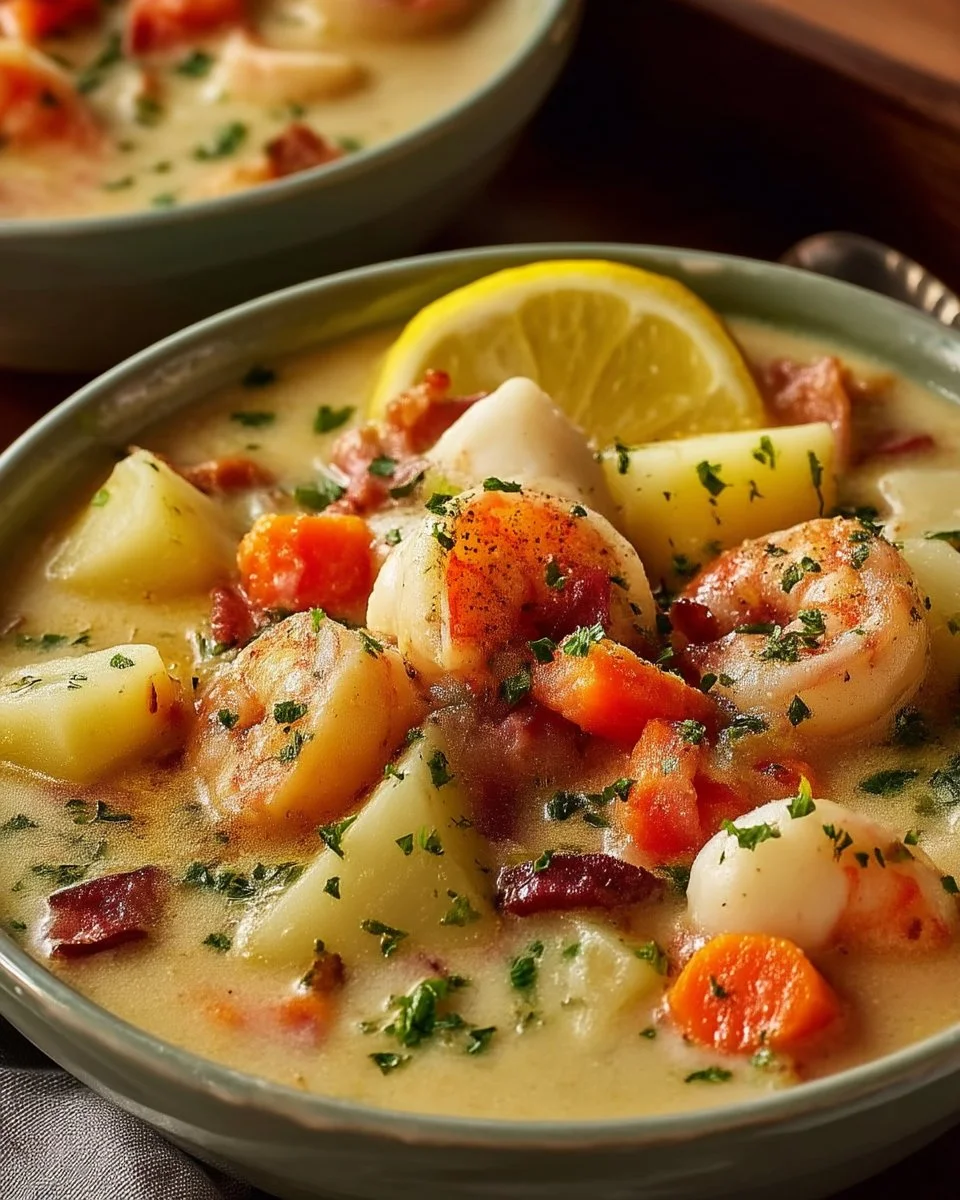
Embrace the comforting warmth of a bowl of Nova Scotia Seafood Chowder, a meal that brings a taste of the ocean right to your kitchen. This hearty chowder is perfect for those times when you want to serve up something special without fussing over complicated recipes. Packed with protein from fresh fish, shrimp, and scallops, it’s a delicious solution for health-conscious families aiming to stick to their meal plans while enjoying a flavor-packed dish. Let’s dive into this delightful recipe that not only satisfies but also evokes nostalgia and warmth in every spoonful.
Kitchen Frustration That Makes This Recipe a Lifesaver
Cooking can sometimes feel daunting, especially when balancing busy schedules, family preferences, and nutritional goals. Many home cooks find themselves caught in a cycle of meal fatigue, constantly searching for something that pleases everyone yet adheres to their health-conscious ideals. Nova Scotia Seafood Chowder comes to the rescue as a budget-friendly option that leaves little room for waste. Using fresh, seasonal ingredients fuels both the body and soul, creating meals full of flavor and comfort.
Imagine coming home after a long day, ready to prepare dinner that feeds your loved ones while still being mindful of budget and health. With just under an hour of prep and cooking time, this chowder is not only satisfying but also allows you to conquer your kitchen frustrations. The secret lies in the simplicity of the ingredients combined with a skillful approach to layering flavors, ensuring you end up with a rich and hearty dish that everyone can enjoy.
Why This Nova Scotia Seafood Chowder Works So Well
Quick Answer: The combination of tender seafood and creamy broth creates an irresistible, hearty dish that is perfect for family dinners or meal prep.
This Nova Scotia Seafood Chowder offers comforting textures and flavors, making it an instant favorite among family members of all ages. Each bite is a lovely balance of fresh seafood and aromatic vegetables, simmered to perfection. Its thick, creamy base marries beautifully with the sweetness of the shrimp and the delicate notes of the fish—providing a satisfying experience that warms the heart and soul.
What sets this chowder apart is its time-saving attributes; it can be made in less than an hour, making it perfect for busy weeknights. The chowder not only fits well within a caloric budget for those who are calorie-conscious, but it’s also a fantastic way to hit that protein-packed goal while enjoying a delightful culinary experience.
Ingredients, Substitutions & Foolproof Tips
- 1 lb fresh fish (e.g., haddock, cod): Essential for authentic chowder flavor.
- 1 lb shrimp, peeled and deveined: Adds a sweet, briny taste and protein boost.
- 1 lb scallops: Provides a tender, delicate texture.
- 2 cups potatoes, diced: Creates substance and heartiness.
- 1 cup onion, chopped: Offers foundational flavor.
- 1 cup celery, chopped: Adds crunch and freshness.
- 1 cup carrots, diced: Provides natural sweetness and color.
- 4 cups fish stock or seafood broth: The base of the soup, enhances seafood flavor.
- 2 cups heavy cream: Ensures a rich, creamy texture.
- 2 tbsp butter: Adds depth to the flavors.
- Salt and pepper to taste: Essential for enhancing overall taste.
- Fresh parsley for garnish: A pop of color and fresh flavor.
Tips: Always use the freshest seafood available; it makes a significant difference in flavor and texture. If you’re watching your fat intake, consider substituting half of the heavy cream with whole milk or low-fat milk. Using frozen seafood can be a budget-friendly option—just ensure it’s thoroughly thawed before cooking.
Step-by-Step Directions
- Melt butter in a large pot.
- In a large pot, melt the butter over medium heat. Allow it to foam slightly, indicating it’s hot enough to sauté the vegetables.
- Sauté onions, celery, and carrots.
- Add the chopped onions, celery, and diced carrots to the pot. Sauté until softened, about 5–7 minutes, stirring occasionally. The aroma will become inviting.
- Add potatoes and stock.
- Stir in the diced potatoes and pour in the fish stock. Bring to a simmer and let it cook for about 10 minutes or until the potatoes are tender. You’ll notice the hearty body forming as the broth thickens slightly.
- Incorporate seafood.
- Gently stir in the fresh fish, peeled shrimp, and scallops. Cook for another 5–7 minutes until the seafood is cooked through and opaque. The seafood should be tender but not overcooked.
- Reduce heat and add cream.
- Lower the heat and add the heavy cream to the pot, stirring gently to combine. Allow everything to heat through for a couple of minutes.
- Season and serve.
- Season with salt and pepper to taste. Serve hot, garnished with fresh parsley, which adds a lovely visual and flavor contrast.
Common Mistakes to Avoid & Pro Tips
- Overcooking the seafood:
- Cook until just done to maintain tenderness.
- Skipping aromatics:
- Sautéing the vegetables builds layers of flavor—don’t skip it!
- Using cold broth:
- Always use hot or warm broth to maintain the cooking temperature.
- Not tasting as you go:
- Adjust salt and pepper during different cooking stages for the best flavor.
Pro Tips:
- For added depth, try adding a splash of white wine after sautéing—the acidity balances the creaminess of the chowder.
- Serve with crusty bread or baked biscuits for a complete meal.
Serving, Storage & Freezer Guide
How to Serve Nova Scotia Seafood Chowder
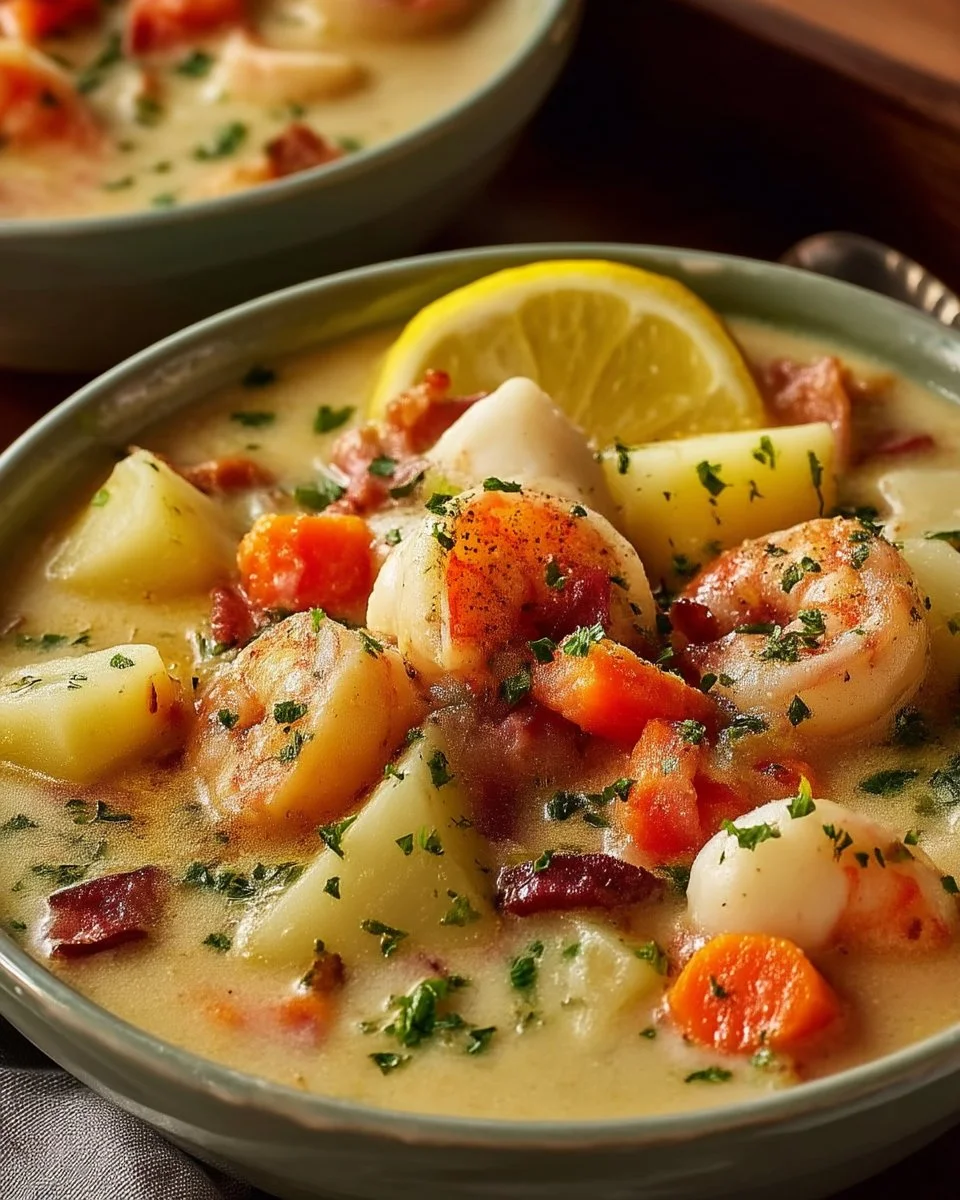
This chowder is ideal for serving either as a standout main dish or as part of a family-style meal. Ladle the hot chowder into bowls and offer it with a sprinkle of fresh parsley on top for color. Pair it with crusty sourdough bread or a simple side salad to enhance the dining experience.
How to Store Nova Scotia Seafood Chowder
Store any leftovers in an airtight container in the refrigerator for up to three days. To reheat, gently warm over low heat on the stove, adding a splash of water or cream if it thickens too much.
Can You Freeze Nova Scotia Seafood Chowder?
Yes, you can freeze this chowder! However, for the best texture, it’s recommended to freeze before adding the cream. When ready to enjoy, defrost overnight in the refrigerator, then heat and stir in the cream before serving. This method helps prevent the cream from separating.
placeholder
Frequently Asked Questions
What type of fish works best for chowder?
White fish such as haddock and cod are excellent choices because they are firm yet tender and won’t disappear into the chowder during cooking.
Can I make this chowder dairy-free?
Yes! You can substitute the heavy cream with coconut cream or a dairy-free milk alternative. Adjust seasonings to balance the flavors.
How do I cut calories in this recipe?
To reduce calories, consider using low-fat milk in place of heavy cream and limiting the amount of butter used. Opt for fewer potatoes or replace them with cauliflower for added fiber without the carbs.
How long does seafood chowder last in the fridge?
When properly stored in an airtight container, this chowder will last for up to three days in the refrigerator.
Conclusion
This Nova Scotia Seafood Chowder is more than just a recipe; it’s a remedy for kitchen fatigue and a delicious solution for feeding the family with health-conscious ingredients. With its rich flavors, satisfying textures, and easy preparation, it’s sure to become a beloved staple in your meal planning. If this recipe reminds you of someone you love, share it with them. Your memories keep recipes alive.

Nova Scotia Seafood Chowder
Ingredients
Method
- In a large pot, melt the butter over medium heat. Allow it to foam slightly.
- Add the chopped onions, celery, and diced carrots. Sauté until softened, about 5–7 minutes.
- Stir in the diced potatoes and pour in the fish stock. Bring to a simmer and cook for about 10 minutes until the potatoes are tender.
- Gently stir in the fresh fish, peeled shrimp, and scallops. Cook for another 5–7 minutes until the seafood is cooked through and opaque.
- Lower the heat and add the heavy cream, stirring gently to combine.
- Season with salt and pepper to taste. Serve hot, garnished with fresh parsley.