
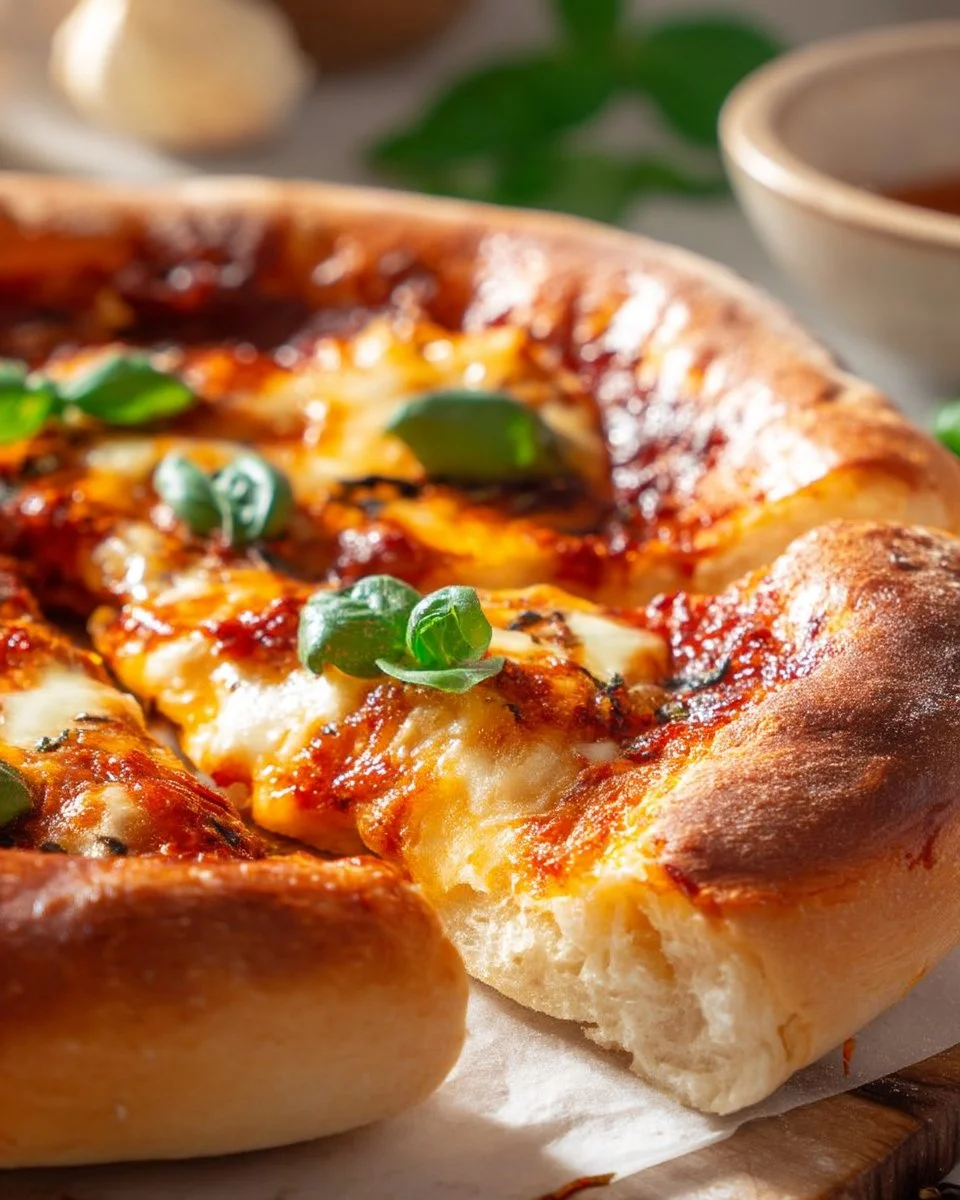
When it comes to weeknight cooking, many of us struggle with the balance between time constraints and our desire for a wholesome, delicious meal. Enter the solution: Sourdough Discard Pizza Dough. This recipe is perfect for those who find themselves with leftover sourdough starter and want to avoid food waste while creating an easy, family-friendly dinner option. Not only is this dough a fantastic way to utilize what you already have in your kitchen, but it also results in a delightfully flavorful pizza that the whole family can enjoy.
Kitchen Frustration That Makes This Recipe a Lifesaver
In the hustle and bustle of everyday life, it can feel daunting to come up with dinner ideas that are both nutritious and appealing to the entire family. Particularly for health-conscious women juggling meals for their loved ones, cooking fatigue can set in quickly. This experience is all too relatable, especially if you’re striving to stick to a meal plan that aligns with your nutrition goals.
By utilizing Sourdough Discard Pizza Dough, you not only save valuable time and resources, but you also create a satisfying meal that supports budget-friendly eating without sacrificing flavor. The beauty of this recipe lies in its simplicity and its ability to adapt to whatever toppings your family enjoys. A practical tip? Every time you prepare a batch of sourdough, set aside that starter discard! This small step reduces waste and opens the door for countless delicious homemade pizza nights.
Why This Sourdough Discard Pizza Dough Works So Well
Quick Answer: This dough utilizes sourdough starter discard, which adds depth of flavor, a chewy texture, and great nutritional benefits, while being a budget-savvy choice.
Sourdough Discard Pizza Dough stands out because it provides an exciting twist on traditional pizza dough. The incorporation of sourdough starter not only enhances the taste with a hint of tanginess but also offers improved texture. As it rises, the dough develops air bubbles, creating a chewy crust that is both satisfying and light. Plus, this recipe can be part of a meal prep plan, helping you stick to your calorie-conscious goals without the stress. With convenience and nutrition in mind, these pizzas are perfect for feeding a crowd or indulging in during a quiet family evening.
Ingredients, Substitutions & Foolproof Tips
- 2 ¼ teaspoons dry active yeast (1 packet): Acts as a leavening agent, helping the dough rise beautifully.
- 1 cup sourdough starter discard: Key ingredient for flavor and texture; provides nutrients and probiotics.
- ¾ cups warm water (around 110°F or 43°C): Activates the yeast; watch the temperature to ensure it’s not too hot.
- 2 ¾ cups all-purpose flour: Gives your dough the structure it needs; consider using whole wheat for added nutrients.
- 2 teaspoons kosher salt: Enhances flavor, balancing the dough’s sweetness.
- 2 tablespoons olive oil: Adds moisture and improves the texture of the crust.
- Semolina flour (for shaping, optional): Helps prevent sticking and gives a nice finish to the crust.
- Olive oil for greasing the baking sheet: Prevents sticking and adds flavor.
Step-by-Step Directions
- Activate the yeast: In a small mixing bowl, combine the active dry yeast and warm water. Let it sit for 5-10 minutes until foamy, signifying that the yeast is alive and ready to work.
- Combine ingredients: In a large mixing bowl, stir together the yeast mixture, sourdough discard, flour, salt, and olive oil until a shaggy dough forms.
- Knead the dough: Turn the shaggy dough onto an unfloured work surface, kneading by hand for 3-4 minutes until a cohesive and semi-smooth dough forms.
- Bench rest: Cover the kneaded dough and let it rest for 10 minutes to relax the gluten.
- Divide the dough: Depending on your pizza size preference, divide the dough into portions. This recipe yields enough for 2 medium-sized pizzas or 4 individual pizzas.
- Shape the dough: For each portion, fold all four corners towards the center, flip it seam-side down, and tighten it into a ball.
- Prepare for refrigeration: Place each ball on an oiled baking sheet and rub a little olive oil on top to prevent drying out. Wrap each ball tightly in plastic wrap.
- Refrigerate: Place in the refrigerator for 24-72 hours to develop flavor. This slow fermentation process creates a more nuanced taste.
- Bring to room temperature: About 30-60 minutes before shaping and baking, remove the dough from the refrigerator.
Common Mistakes to Avoid & Pro Tips
- Mistake: Using water that is too hot and killing the yeast.
- Fix: Ensure your water is around 110°F (43°C).
- Mistake: Not allowing sufficient resting time for the dough.
- Fix: Let the dough rest adequately for the best texture.
- Mistake: Over-flouring during the shaping process.
- Fix: Use semolina flour sparingly to prevent sticking without excess flour.
Pro Tips
- For extra flavor, consider adding herbs to your dough.
- Experiment with different types of flour for a unique crust.
- Use leftover dough to create mini-pizza bites or breadsticks.
Serving, Storage & Freezer Guide
How to Serve Sourdough Discard Pizza Dough
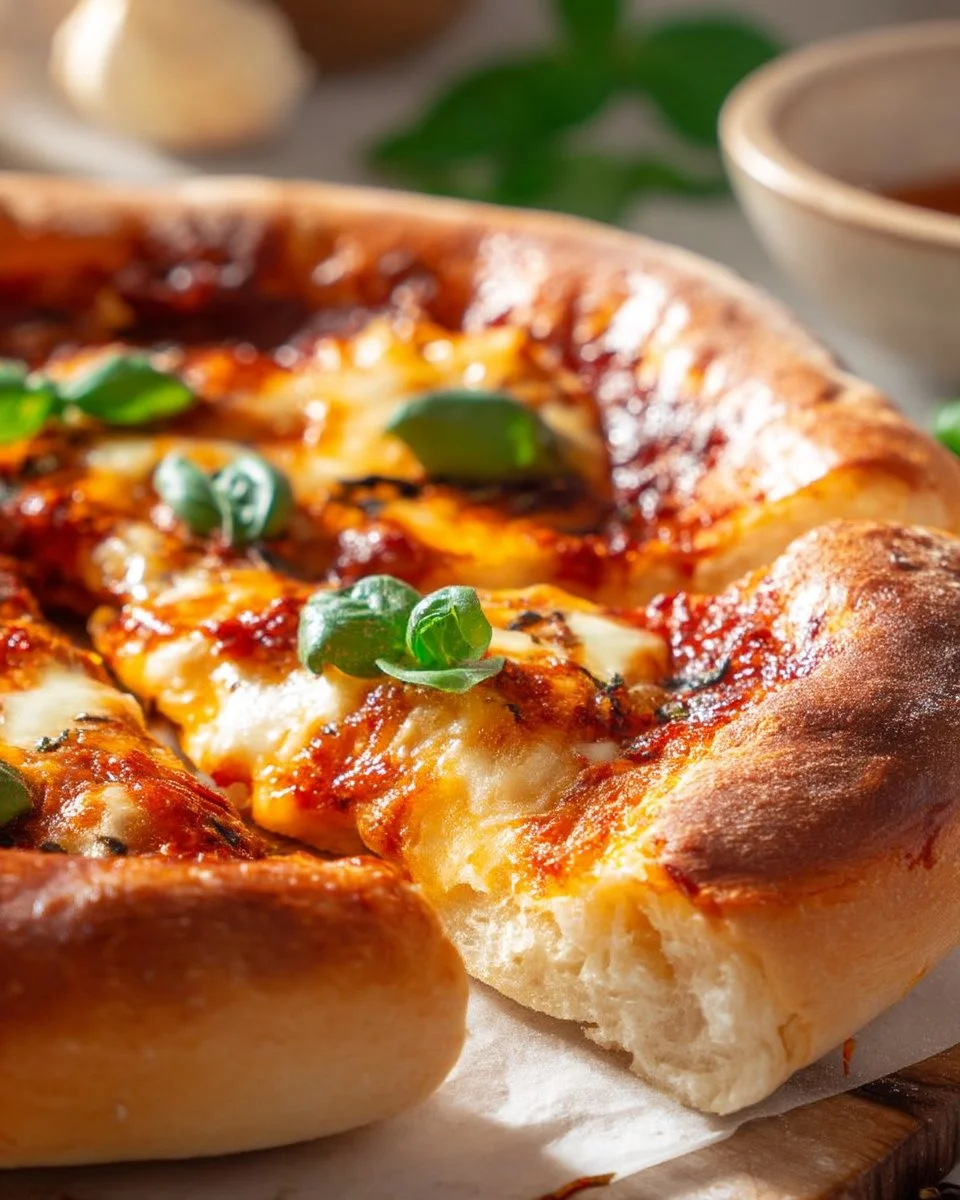
This dough is versatile; you can top it with your favorite sauces, cheeses, and fresh vegetables. The family can personalize their pizzas, creating a fun, interactive dinner experience. Whether baking or grilling, this dough holds up wonderfully, ensuring a crispy crust laden with your favorite toppings.
How to Store Sourdough Discard Pizza Dough
If you have leftover dough, store it in an airtight container in the refrigerator. Proper storage ensures you can enjoy your homemade dough for several days without compromising quality.
Can You Freeze Sourdough Discard Pizza Dough?
Yes, this dough can be frozen! Wrap individual dough balls tightly in plastic wrap and place them in a resealable freezer bag. When ready to use, thaw in the refrigerator overnight or at room temperature for a few hours before shaping.
Frequently Asked Questions
How long can I keep the sourdough discard in the fridge?
You can keep sourdough discard in the refrigerator for up to one month. However, for the best flavor, it’s recommended to use it within two weeks.
Can I use all whole-wheat flour for this recipe?
Yes, whole-wheat flour can be used for a more nutritious alternative, but it may affect the dough’s texture. Consider mixing half whole-wheat and half all-purpose flour for balance.
What if my dough doesn’t rise?
If your dough fails to rise, it could be due to old yeast or water that was too hot. Always test your yeast with warm water before starting.
How do I know when my pizza is done?
A perfectly baked pizza will have a golden-brown crust with bubbling cheese, generally taking about 12-15 minutes at 475°F (245°C).
Conclusion
Reflecting on the joys of bringing families together through homemade meals, this Sourdough Discard Pizza Dough serves not only as a delicious recipe but also as a solution to reduce waste, save money, and satisfy nutritional goals. It’s a reminder that cooking can be simple, enjoyable, and packed with love. If this recipe reminds you of someone you love, share it with them. Your memories keep recipes alive.
Sourdough Discard Pizza Dough
Ingredients
Method
- In a small mixing bowl, combine the active dry yeast and warm water. Let it sit for 5-10 minutes until foamy, signifying that the yeast is alive.
- In a large mixing bowl, stir together the yeast mixture, sourdough discard, flour, salt, and olive oil until a shaggy dough forms.
- Turn the shaggy dough onto an unfloured surface, kneading by hand for 3-4 minutes until a cohesive dough forms.
- Cover the kneaded dough and let it rest for 10 minutes to relax the gluten.
- Divide the dough into portions for 2 medium-sized pizzas or 4 individual pizzas.
- For each portion, fold all four corners towards the center, flip it seam-side down, and tighten it into a ball.
- Place each ball on an oiled baking sheet and rub a little olive oil on top to prevent drying out. Wrap each ball tightly in plastic wrap.
- Refrigerate for 24-72 hours to develop flavor.
- Remove the dough from the refrigerator 30-60 minutes before shaping and baking to bring it to room temperature.