
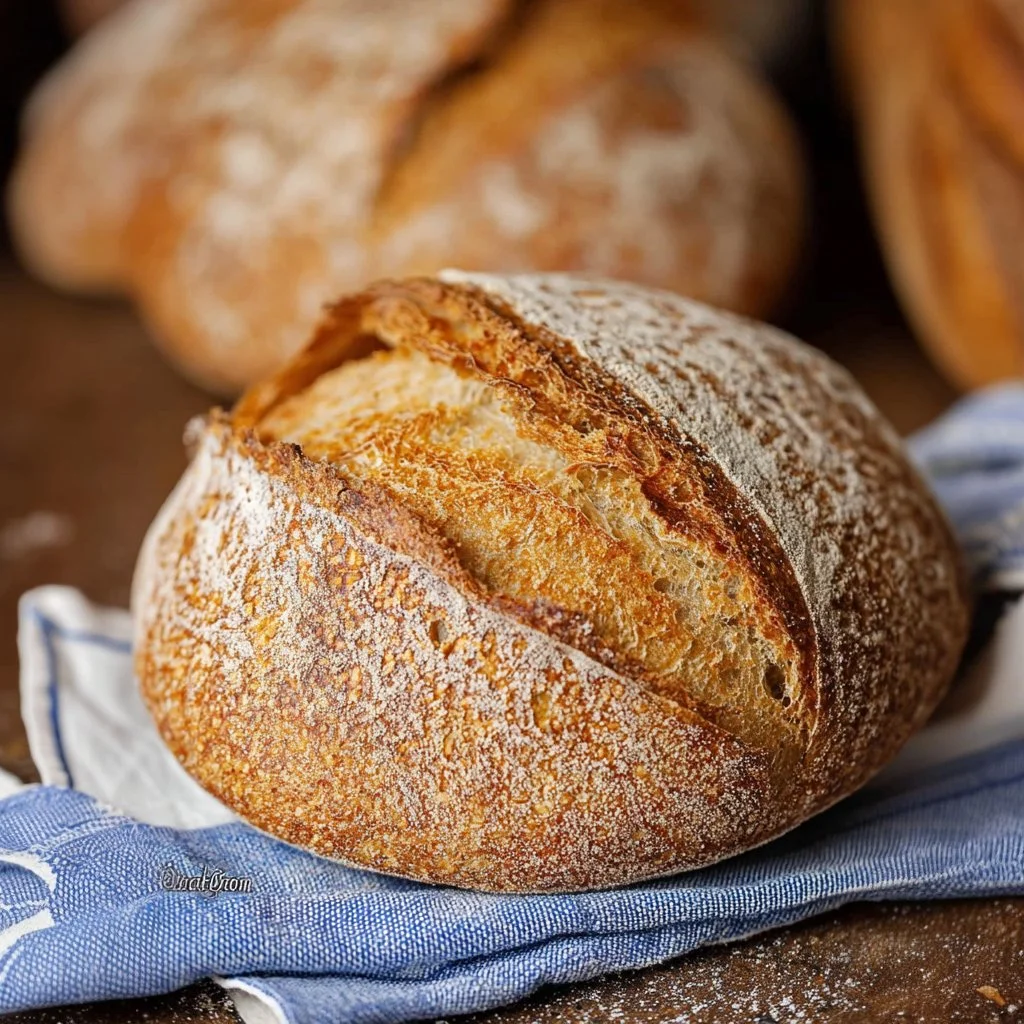
There’s something deeply comforting about the world of bread making. Perhaps it’s the earthy aroma wafting through the kitchen or the rhythmic kneading that almost feels like a dance between you and the dough. Indeed, sourdough bread is a slice of warmth you can’t get elsewhere—each loaf is a labor of love, a cherished recipe passed down through generations, offering us a little piece of home.
Have you ever found yourself yearning for that rustic crust and tangy taste that makes sourdough bread unforgettable? You’re not alone! Many of us feel frustrated when trying to replicate that perfect loaf from artisan bakeries or grandmother’s kitchen. The good news? Making your own sourdough bread is not only achievable but also incredibly rewarding. Let’s turn your kitchen into a haven of delightful aromas and scrumptious baked goods.
Why You’ll Love This Sourdough Bread Recipe
A Common Frustration
Imagine waking up on a Sunday morning, the sun peeking through the curtains, with a shared desire to create something beautiful and delicious for your family. You might try a simple loaf, but it turns out dense or lacks that special crust. This is a common frustration for many home bakers, and it can feel disheartening when you just want to enjoy a slice of warm, homemade sourdough bread.
The Comfort & Joy Sourdough Bread Brings
But fear not, dear friend! This sourdough bread recipe is designed to guide you through every step, bringing that comforting joy right into your home. The process of nurturing your sourdough starter and waiting for that dough to rise is an experience that fills your heart with anticipation, much like waiting for your favorite family recipe to come to life. When you finally slice into that golden crust and release the steam, the satisfaction and pride are palpable.
Quick Answer: The easiest way to make Sourdough Bread creamy and rich is by using a good-quality active sourdough starter.
Ingredients Breakdown & Prep Tips
Ingredient List with Suggestions
Here are the simple ingredients you’ll need for your sourdough bread adventure:
| Ingredient | Notes |
|---|---|
| 400 g bread flour | |
| 55 g rye flour | Adds flavor and depth. |
| 10 g fine sea salt | |
| 345 g filtered water | Room temperature is best. |
| 100 g active sourdough starter | Must be bubbly and fed. |
| Rice flour (optional for dusting) | Prevents sticking. |
Prep Method with Sensory Cues
- Feed Your Sourdough Starter: Begin by nurturing your starter 1-2 times before embarking on your bread-making journey. Mix together 50g of starter, 50g of bread flour, and 50g of lukewarm water. Let it rise for 4-6 hours until it’s bubbly and alive, ready to impart its goodness into your dough.
- Mix the Flours: In a large bowl, whisk together 400g of bread flour, 55g of rye flour, and 10g of fine sea salt. The moment the salt hits the flour, you can witness a simple but powerful alchemy.
- Bring It All Together: Add 345g of filtered water and the 100g of active sourdough starter into the dry mix. With your hands, combine everything until it forms a shaggy dough, the texture inviting to the touch and a hint of tangy aroma rising to meet you.
- Rest the Dough: Allow the dough to rest for 4 hours, performing ‘stretch and fold’ every hour. Feel that gluten developing with each stretch, making it stronger and giving you something beautiful in return.
- Shape and Rest: Once your dough has bulk fermented, shape it gently into a loaf, letting it rest covered for 20 minutes. You’ll appreciate watching it puff up a little, like it’s smiling back at you, eager for the next step.
- Cold Ferment: Place the dough in a banneton and refrigerate for anywhere between 8 to 48 hours. This is where the magic happens; the flavors deepen, creating that characteristic sourdough tang.
- Bake: Preheat your oven to 500°F with a Dutch oven inside for 30 minutes. When ready, score the top of your loaf with a sharp knife and transfer it to the oven. Bake covered for 20 minutes, then uncover and let it bake for an additional 20-25 minutes until it’s a lovely golden brown. The sounds of the crust crackling emerge like music, filling your home with the promise of a delicious meal.
Avoid These Mistakes
Common Mistakes & Fixes
- Skipping the Starter Feed: If your sourdough starter isn’t bubbly and active, your bread won’t rise. Always feed your starter 1-2 times before making your bread.
- Under or Over-Kneading: If the dough doesn’t get those essential folds, it may not develop enough gluten. Be gentle yet firm when handling your dough, treating it like the treasure it is.
- Inaccurate Measurements: Weighing your ingredients can make a world of difference when it comes to outcome. Always ensure your scale is calibrated!
Pro Tips to Get It Right
- Use filtered water for a cleaner taste; the minerals and chemicals from tap water can affect the fermentation process.
- Patience is key. Embrace the fermentation time as a gift; the longer your sourdough sits, the better the flavors become.
Serving, Storage & Creative Variations
Best Ways to Serve It
Imagine sitting down with a hearty bowl of soup from Linda’s Golden Kitchen, perhaps a creamy tomato soup or a cozy chicken stew, and tearing off a slice of your sourdough bread. It’s perfect for gatherings, paired with olive oil, or simply enjoyed with butter melting atop the warm crust.
Storage + Seasonal or Dietary Variations
To keep your bread fresh, store it in a paper bag at room temperature. You can freeze any leftovers wrapped in plastic and then placed in a freezer bag. Do you want to make it festive? Try adding herbs or spices during the mixing stage for a warm flavor twist. If you’re looking for a more wholesome touch, substitute part of the bread flour with whole wheat flour.
FAQ Section
What if my sourdough starter doesn’t bubble?
If your starter isn’t bubbling after being fed, it might need more time or a warmer place to ferment. Give it a good stir and let it sit a bit longer!
How can I make my sourdough bread less sour?
You can try reducing the fermentation time or feeding your starter more frequently to keep it young and less tangy.
Can I bake sourdough bread in a regular loaf pan instead of a Dutch oven?
Yes, you can, but be mindful that the crust may not develop quite the same way. A Dutch oven helps trap moisture.
How long does sourdough bread last?
Homemade sourdough is best enjoyed fresh, but it can last about 2-3 days at room temperature or a month in the freezer.
Conclusion
As you embark on your sourdough journey, remember that each loaf tells a story. This sourdough bread recipe is not just about the ingredients but about connecting with your kitchen and those you love. If this dish brings back a memory, pass it on. Someone you love might need it today.
You may also love these:

Sourdough Bread
Ingredients
Method
- Feed your sourdough starter by mixing together 50g of starter, 50g of bread flour, and 50g of lukewarm water. Let it rise for 4-6 hours until it’s bubbly and alive.
- In a large bowl, whisk together 400g of bread flour, 55g of rye flour, and 10g of fine sea salt.
- Add 345g of filtered water and the 100g of active sourdough starter into the dry mix. Combine until it forms a shaggy dough.
- Allow the dough to rest for 4 hours, performing ‘stretch and fold’ every hour.
- Once bulk fermented, shape the dough into a loaf and cover it to rest for 20 minutes.
- Place the shaped dough in a banneton and refrigerate for anywhere between 8 to 48 hours.
- Preheat your oven to 500°F (260°C) with a Dutch oven inside for 30 minutes.
- Score the top of your loaf with a sharp knife and transfer it to the oven. Bake covered for 20 minutes.
- Uncover and let it bake for an additional 20-25 minutes until it’s a lovely golden brown.