
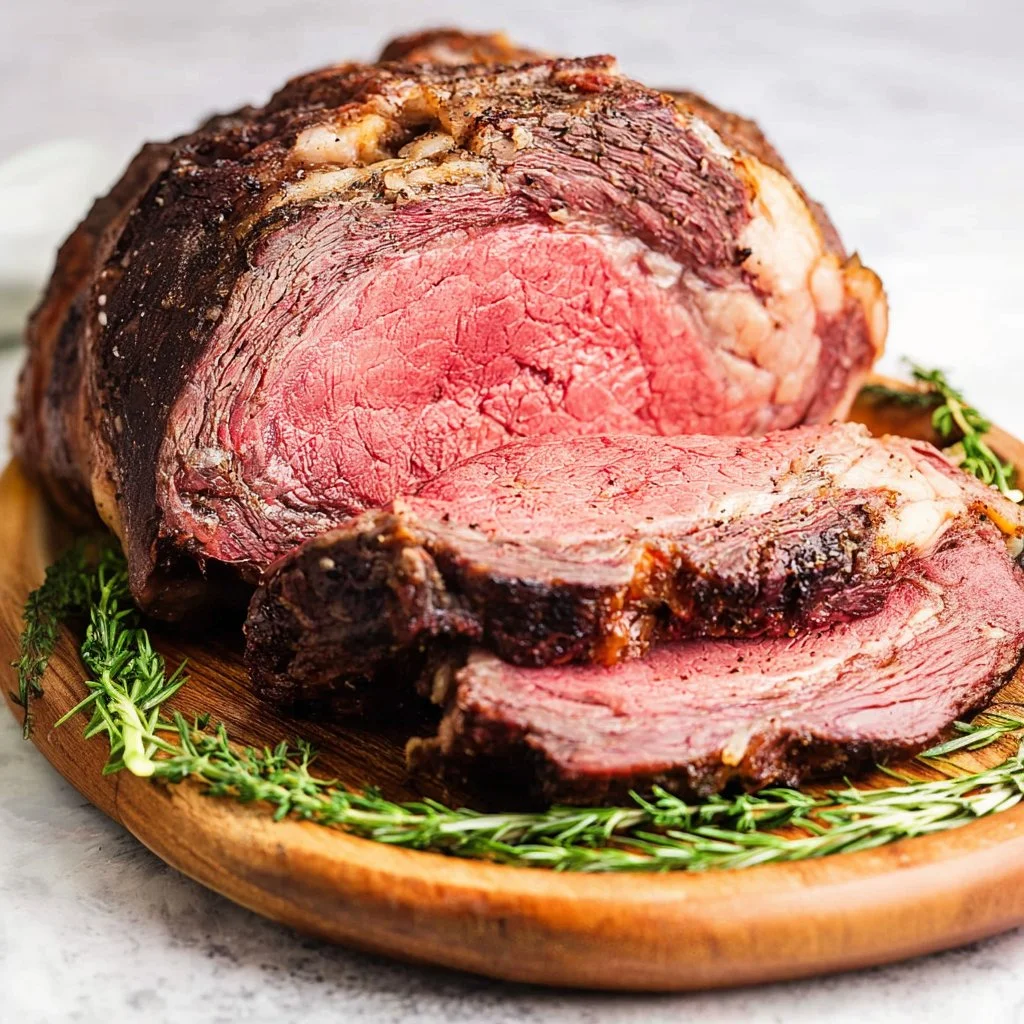
There’s something magical about the way the warmth of a Sunday dinner envelops the home, the tantalizing aroma of a perfectly roasted prime rib drifting through the air, wrapping around you like a gentle hug. Imagine the gathering of loved ones around the table, the sound of laughter blending with the sizzling of a glorious roast. Yet, preparing a prime rib dinner can feel daunting, especially for those special occasions when you want everything to be just right. With this Reverse Sear Prime Rib recipe, you’re not just cooking a meal; you’re creating a memory that sparkles with moments of joy, comfort, and love.
Why You’ll Love This Reverse Sear Prime Rib Recipe
An Emotional Need for Comfort Food
Every family has those cherished recipes that bring back memories of shared joy and laughter—the meals that become part of our traditions. For many of us, cooking feels like a labor of love, layered with the hustle and bustle of everyday life. Perhaps you’re recalling a time spent with family members, gathering around a table, and filling your plates with your favorite dishes. Yet, how often do you find yourself overwhelmed, worried that your special meal won’t turn out perfectly?
This Dish Solves That
The beauty of the Reverse Sear Prime Rib is that it’s designed to be approachable, allowing you to shine in the kitchen without stress. It requires some planning, yes, but the hands-on part is simple and forgiving, leading to a melt-in-your-mouth experience that’ll have everyone raving. Not to mention, the blend of kosher salt, freshly ground black pepper, and a touch of butter creates a savory crust that’s as pleasing to the eye as it is to the taste buds. Picture the steam rising from the tender meat, the deep brown sear glistening under candlelight; you’ll create a masterpiece that welcomes everyone at the table.
Quick Answer: The easiest way to make Reverse Sear Prime Rib creamy and rich is by incorporating butter mixed with fresh herbs.
Ingredients Breakdown & Prep Tips
| Ingredient | Notes |
|---|---|
| 1 (6-pound) bone-in standing rib roast (fat trimmed to about 1/2 inch) | |
| Kosher salt | |
| Freshly ground black pepper | |
| 4 tablespoons unsalted butter (softened) | |
| Fresh rosemary and/or thyme | Optional for enhanced flavor. |
Prep Method with Sensory Cues
In preparing your Reverse Sear Prime Rib, the first step is to dive into the wonderful world of flavor. Start by seasoning the rib roast a full 24 hours ahead with generous amounts of kosher salt. Imagine how the salt works its magic, penetrating the meat to create a flavor extravaganza—this step is essential for both taste and texture.
Once seasoned, let it rest uncovered on a rack in the refrigerator. The salty breeze of air circulating around the roast will draw out moisture, intensifying the beefy flavor. The night before your dinner, it’s time to unleash the rich aroma of this roast by bringing it back and letting it sit at room temperature for about two hours. This ensures even cooking throughout.
Next, preheat your oven to a low 200°F-225°F. Visualize the roast nestled in the warmth of the oven, slowly transforming as time passes. Insert a meat thermometer deep into the thickest part of the meat, avoiding the bone. It’s essential to watch the temperature closely; remove the roast when it reaches your preferred doneness. For medium-rare, pull it out at around 130°F. The anticipation in the kitchen builds as you await this delicious centerpiece to complete its journey.
After the roast has basked in the warmth of your oven, allow it to rest under a light tent of foil for 30 to 60 minutes. This is a critical step for ensuring juicy, tender meat that effortlessly carves. Once rested, crank up the oven to 450-500°F for a quick sear. As the roast returns, the surface will sizzle and bubble, creating an irresistible crust that brings both flavor and visual appeal.
Now, as it colors beautifully, you’ll feel the excitement! After this brief sear, let it rest for just a couple more minutes; an aroma will fill your home like a warm hug. Slice into the roast and present it beautifully on your serving platter—just look at the beautiful pink in the center!
Avoid These Mistakes
Common Mistakes & Fixes
Cooking the perfect Reverse Sear Prime Rib is easier than it seems, but a few common pitfalls can lead to disappointment. Here are some comforting reminders to help guide you:
- Not Salting in Advance: Skipping the 24-hour salt process is a common mistake. It’s crucial for flavor and texture; allow the salt to create a mouthwatering crust.
- Roasting at Too High of a Temperature: Ensuring you keep that low roast setting is essential for even cooking. Too much heat too soon can lead to overcooked edges and a raw center.
- Skipping the Resting Phase: The resting period after roasting is not just a suggestion. Don’t rush this step; it allows the juices to redistribute so every bite is tender and juicy.
Pro Tips to Get It Right
- Temperature Awareness: Trust your thermometer—it’s your best friend! Always cook based on internal temperatures, not just timing.
- Layered Flavors: Feel free to play with herbs; adding fresh rosemary and thyme can take your prime rib to another level of deliciousness. A little bit of creativity can inject your personality into this classic dish.
After enjoying this sumptuous meal, if you have leftovers, don’t forget to check out my Crockpot Beef and Noodles for a cozy way to repurpose that prime rib!
Serving, Storage & Creative Variations
Best Ways to Serve It
Imagine the delighted faces of your loved ones as they gather around the table, the centerpiece of the Reverse Sear Prime Rib capturing attention. Serve it with a side of creamy garlic mashed potatoes and roasted seasonal vegetables, allowing the flavors to dance together. Drizzling a rich gravy over each slice adds another layer of warmth and comfort.
Storage + Seasonal or Dietary Variations
Leftover prime rib can be stored in an airtight container in the refrigerator for up to four days. To maintain quality, consider slicing it before storing, or enjoy it in sandwiches, salads, or stews, such as my Cabbage Roll Casserole.
Moreover, if you’re looking for a creative twist for the winter holidays, consider adding a fruit glaze or herb crust to enhance the festive flair.
FAQs
What is the best cut for prime rib?
The rib-eye cut is ideal due to its balance of flavor and tenderness. Look for a well-marbled roast for the most succulent results.
Can I use dried herbs instead of fresh?
Yes, while fresh herbs offer a vibrant flavor, dried herbs can work as well. Just use a smaller amount as dried herbs are more concentrated.
How do I know when my prime rib is done?
Using a meat thermometer will give you accuracy; pull it out of the oven when it reaches your desired doneness, rounding down a few degrees since it will continue cooking during resting.
Can I freeze leftover prime rib?
Absolutely! Cool the prime rib completely before wrapping it tightly and freezing it to preserve flavor and texture. Thaw in the refrigerator when you’re ready to enjoy again.
Conclusion
With this Reverse Sear Prime Rib, every step is filled with joyful anticipation, and when you finally carve into that beautifully cooked roast, you’ll know every moment was worth it. It’s more than just a meal—it’s an experience crafted with love, laughter, and the spirit of togetherness.
If this dish brings back a memory, pass it on. Someone you love might need it today. Be sure to check out the wonderful Garlicky Feta Chicken Salad for a fresh pairing with the richness of the prime rib!
Reverse Sear Prime Rib
Ingredients
Method
- Season the rib roast a full 24 hours ahead with kosher salt.
- Let the roast rest uncovered on a rack in the refrigerator.
- Bring the roast to room temperature for about two hours before cooking.
- Preheat your oven to a low temperature between 200°F and 225°F.
- Insert a meat thermometer deep into the thickest part of the meat, avoiding the bone.
- Remove the roast from the oven when it reaches your chosen doneness (130°F for medium-rare).
- Allow the roast to rest under a light tent of foil for 30-60 minutes.
- Increase oven temperature to 450-500°F and sear the roast for a few minutes until a crust forms.
- Let it rest for a couple more minutes before slicing.