
Busyness often reigns supreme in our lives, doesn’t it? Picture a typical Tuesday evening: the sun is setting, casting a warm glow through the kitchen window, while you rush to prepare dinner after a long day at work. Amidst the chaos, you crave comfort and connection through food, not just for you but for those you love. It’s during these moments that a batch of homemade Parker House Rolls can transform the atmosphere of your home, turning the simplest supper into something extraordinary. These rolls are soft, buttery pillows of joy that beckon to be torn apart and slathered with rich, creamy butter.
Why You’ll Love This Parker House Rolls Recipe
A Warm Embrace for Busy Lives
Sometimes, cooking can feel overwhelming, especially when juggling family preferences or the desires of picky eaters. If you’re anything like me, you might find yourself wondering how to provide comfort food that pleases everyone at the table. Those little faces with discerning tastes can be challenging, and sometimes, you just need a reliable recipe that brings everyone together.
With this Parker House Rolls recipe, you’ll find not only a dish that delivers wondrous taste but also a means of connection. Each roll represents the essence of home—warmth, love, and the comforting smell of freshly baked bread filling every corner of your kitchen. Making Parker House Rolls is a ritual that soothes the spirit and celebrates those meaningful moments spent with family.
The Comfort of Parker House Rolls
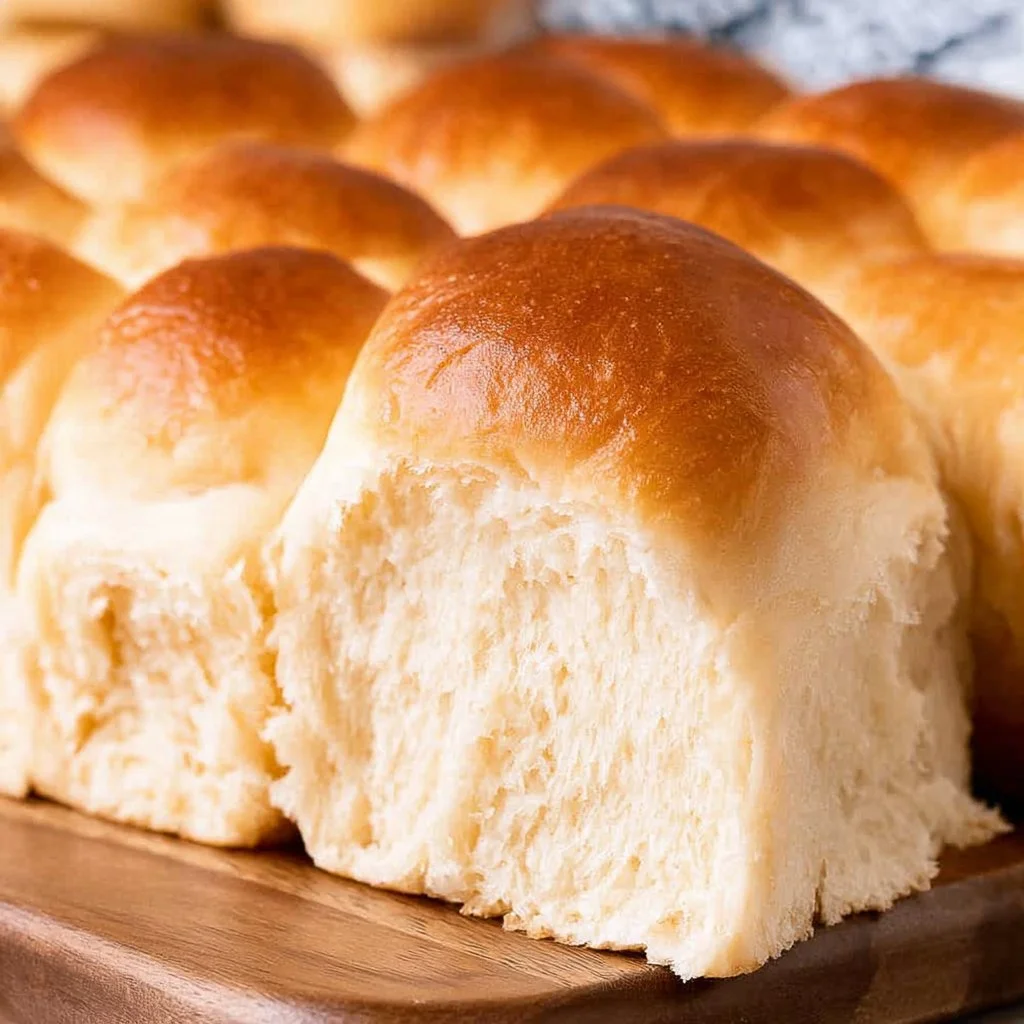
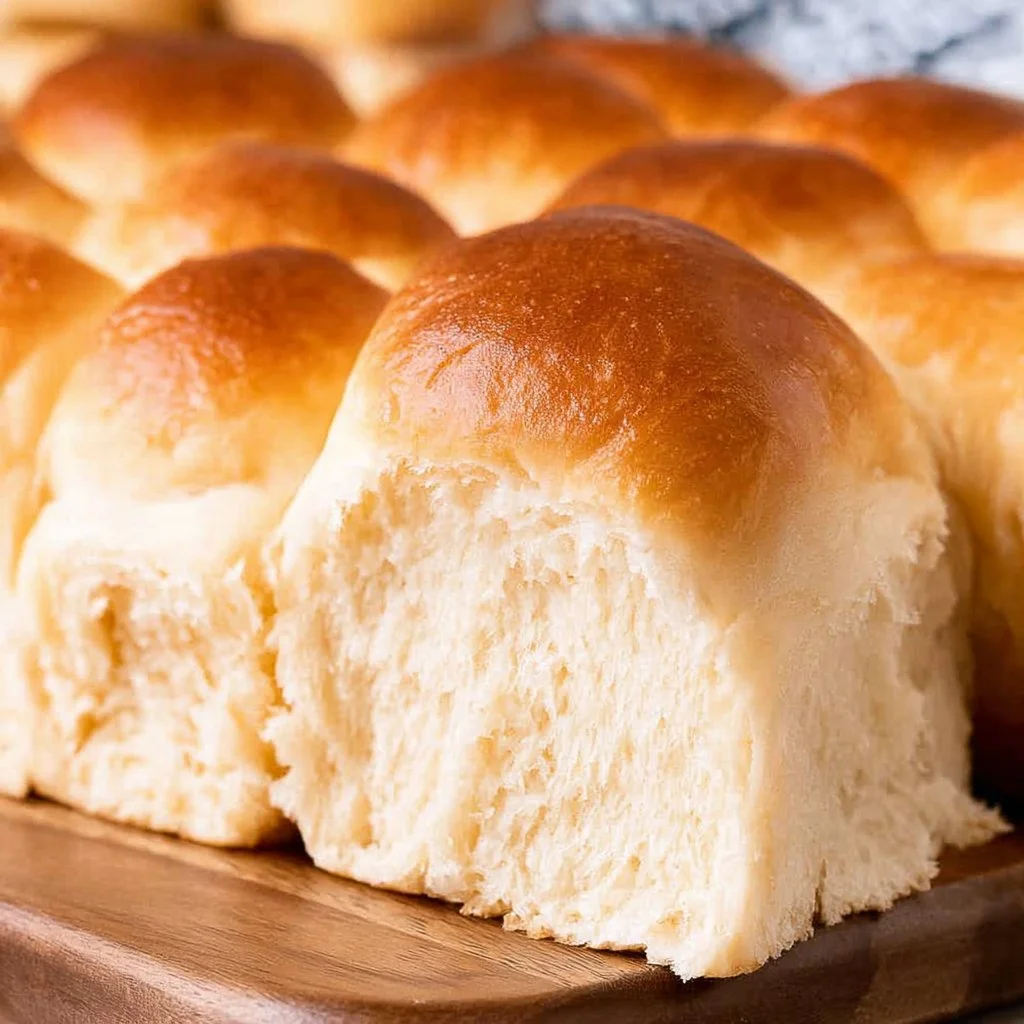
Imagine the joy of pulling a tray of golden brown Parker House Rolls from the oven, their tender surfaces glistening with melted butter. As you gather around the dinner table, watching your loved ones’ faces light up with delight at the first bite, time seems to stand still. This recipe guarantees softness and richness that will earn rave reviews from your family. Perfectly fluffy, these rolls invite you to savor each bite, making every meal a true celebration.
They are not just another carb on your plate; they carry the essence of home cooking—a nostalgic hug for the heart. Best enjoyed warm, these rolls can accompany everything from a Sunday roast to a casual soup and salad night, making them versatile enough for any occasion.
Quick Answer: The easiest way to make Parker House Rolls creamy and rich is by using plenty of butter throughout the process.
Ingredients Breakdown & Prep Tips
Essential Ingredients for Parker House Rolls
To create these delightful rolls, gather the following ingredients that bring flavor and texture to the table:
- 5 cups all-purpose flour (600g): The foundation of your rolls, providing structure and tenderness.
- 2¾ teaspoons instant yeast: This powerful leavening agent gives the rolls their fluffy rise.
- 2 teaspoons salt: Enhancing flavor, salt is critical for delicious outcomes.
- 3 large eggs: Eggs enrich the dough, adding moisture and flavor.
- 1¼ cups whole milk (300ml): This creamy base helps create a soft, tender crumb.
- 12 tablespoons unsalted butter, divided: Essential for both the dough and brushing, it adds richness and flavor.
- 3 tablespoons granulated sugar: A touch of sweetness that balances the savory elements.
Preparing to Roll
Now that you have your ingredients ready, let’s get into the method.
Step 1: Mix the Dry Ingredients
In the bowl of a stand mixer fitted with a dough hook, mix together the flour, yeast, and salt until combined. This step builds a solid foundation for your rolls.
Step 2: Prep the Eggs
In a medium bowl, lightly beat the eggs and set them aside. These will enrich your dough and create that lovely texture we’re all after.
Step 3: Heat the Milk Mixture
In a medium saucepan, combine the milk, 9 tablespoons of butter, and sugar. Cook over medium-low heat until the butter melts and the sugar dissolves, reaching a temperature between 125°F (52°C) and 130°F (54°C). This will help activate the yeast and make your rolls pillowy soft.
Step 4: Combine Wet and Dry Ingredients
With the mixer running on low speed, slowly add the warm milk mixture to the bowl followed by the beaten eggs. Mix until no dry flour remains; about 1 to 2 minutes will do.
Step 5: Knead the Dough
Increase the mixer speed to medium and knead until the dough is smooth, elastic, and mostly pulls away from the sides of the bowl—around 6 to 8 minutes. Don’t be alarmed if it sticks slightly to the bottom; that’s normal!
Step 6: First Rise
Turn the dough out onto a lightly floured surface and knead by hand for just 30 seconds to combine. Form the dough into a tight ball and transfer it to a large, greased bowl. Spray the top of the dough lightly with nonstick spray, cover with plastic wrap, and let it proof in a warm place until doubled in size—about 60 to 90 minutes.
Step 7: Prepare the Baking Pan
Line a 13×9-inch baking pan with two pieces of foil or parchment paper, overlapping and letting the ends hang over the long edges. Spray with nonstick spray and set aside.
Step 8: Shape the Rolls
Melt the remaining 3 tablespoons of butter. When the dough has risen beautifully, turn it out onto a clean, lightly floured surface and divide it in half. Stretch each half into a 24-inch long roll, and use a rolling pin to flatten it to about 5 inches wide. Brush the surface with 1 tablespoon of melted butter.
Step 9: Fold and Cut
Starting at the top long edge, fold a third of the dough downward, then fold the bottom third over to meet it. Roll a couple of times to seal and reshape as necessary into an even log. Cut the dough into 12 equal pieces and place them seam side down in the prepared pan, three rows of four. Repeat with the remaining dough.
Step 10: Second Rise
Cover the pan with plastic wrap and let the rolls proof again in a warm place until they double in size, about 60 minutes.
Step 11: Bake and Serve
Preheat the oven to 375°F (190°C) and bake the rolls until they’re golden brown, and the centers register 200°F (93°C) with a thermometer, about 30 to 35 minutes—remember to rotate the pan halfway through. Once baked, transfer them to a wire rack using the foil for handles and brush with the remaining tablespoon of melted butter for that extra shine.
Avoid These Mistakes
Common Mistakes & Fixes
- Not Enough Kneading: Failing to knead the dough long enough can leave you with dense rolls. Ensure you knead until smooth and elastic for the best texture.
- Water Temperature Off: If the milk mixture is too hot, it can kill the yeast; too cool, and it won’t activate properly. Aim for that sweet spot between 125°F (52°C) and 130°F (54°C).
- Skipping the Second Rise: Allowing the rolls to rise twice enhances their fluffiness and texture. Don’t rush this crucial step!
- Frozen Butter in Dough: Using cold butter can hinder the dough from achieving a tender crumb. Melt it to ensure it incorporates well.
Pro Tips to Get It Right
- Use Fresh Yeast: Always check the expiration date on your yeast; fresh yeast is key to fluffy rolls.
- Generously Butter the Pans: A well-prepared pan reduces the chance of sticking, ensuring those lovely rolls release easily.
- Twist and Fold: To make shaping easier, twist the dough slightly as you fold. This helps create layers that lead to fluffier rolls.
Serving, Storage & Creative Variations
Best Ways to Serve It
These Parker House Rolls are a star on any dining table. Imagine a cozy gathering with laughter filling the air, a warm pot of soup simmering nearby, and your rolls, freshly baked and fluffy, ready for sharing. They’re perfect for slathering with creamy butter, topping with your favorite jams, or sopping up gravy. Every bite is an invitation to relax and enjoy the moment!
Storage, Seasonal & Dietary Variations
To store, let the rolls cool completely before placing them in an airtight container. They last for about 3-4 days at room temperature. You can also freeze them for longer storage; just allow to cool, wrap tightly in plastic wrap, then foil, and freeze. To reheat, simply pop them in a 350°F (175°C) oven for about 10 minutes until warmed through.
For a seasonal twist, consider adding herbs like rosemary or thyme to the dough before the first rise for aromatic rolls that fit perfectly with a Thanksgiving dinner. As for dietary variations, if you’d like a dairy-free version, consider experimenting with your favorite plant-based butter and milk alternatives.
FAQ Section
Can I make Parker House Rolls ahead of time?
Absolutely! You can prepare the dough a day in advance, shape the rolls, and place them in the baking pan covered in the fridge. Just allow them to come to room temperature before baking.
What if my rolls don’t rise?
If your rolls don’t rise, it typically means the yeast was inactive. Ensure you’re using fresh yeast, and check the warmth of your milk mixture.
Can I use bread flour instead?
Bread flour can be used for a chewier texture, but all-purpose flour provides that classic, soft Parker House Rolls that we all adore!
How do I get a golden crust?
Brushing the tops with melted butter before baking encourages a beautiful golden-brown crust, enhancing both flavor and appearance.
In Linda’s kitchen, we believe in the magic of homemade rolls that bring families together. So grab your apron, and let’s fill the table with warmth and joy—one Parker House Roll at a time!
Parker House Rolls
Ingredients
Method
- In the bowl of a stand mixer fitted with a dough hook, mix together the flour, yeast, and salt until combined.
- In a medium bowl, lightly beat the eggs and set them aside.
- In a medium saucepan, combine the milk, 9 tablespoons of butter, and sugar. Cook over medium-low heat until the butter melts and the sugar dissolves, reaching a temperature between 125°F (52°C) and 130°F (54°C).
- With the mixer running on low speed, slowly add the warm milk mixture to the bowl followed by the beaten eggs. Mix until no dry flour remains; about 1 to 2 minutes.
- Increase the mixer speed to medium and knead until the dough is smooth, elastic, and mostly pulls away from the sides of the bowl—around 6 to 8 minutes.
- Turn the dough out onto a lightly floured surface and knead by hand for just 30 seconds to combine. Form the dough into a tight ball and transfer it to a large, greased bowl. Spray the top lightly with nonstick spray, cover with plastic wrap, and let it proof in a warm place until doubled in size—about 60 to 90 minutes.
- Line a 13×9-inch baking pan with two pieces of foil or parchment paper, overlapping and letting the ends hang over the long edges. Spray with nonstick spray and set aside.
- Melt the remaining 3 tablespoons of butter. When the dough has risen, turn it out onto a clean, lightly floured surface and divide it in half. Stretch each half into a 24-inch long roll and flatten it to about 5 inches wide. Brush the surface with 1 tablespoon of melted butter.
- Starting at the top long edge, fold a third of the dough downward, then fold the bottom third over to meet it. Roll a couple of times to seal and reshape as necessary into an even log. Cut the dough into 12 equal pieces and place them seam side down in the prepared pan.
- Cover the pan with plastic wrap and let the rolls proof again in a warm place until they double in size, about 60 minutes.
- Preheat the oven to 375°F (190°C) and bake the rolls until they're golden brown, and the centers register 200°F (93°C), about 30 to 35 minutes. Rotate the pan halfway through. Once baked, transfer them to a wire rack using the foil for handles and brush with the remaining tablespoon of melted butter.