
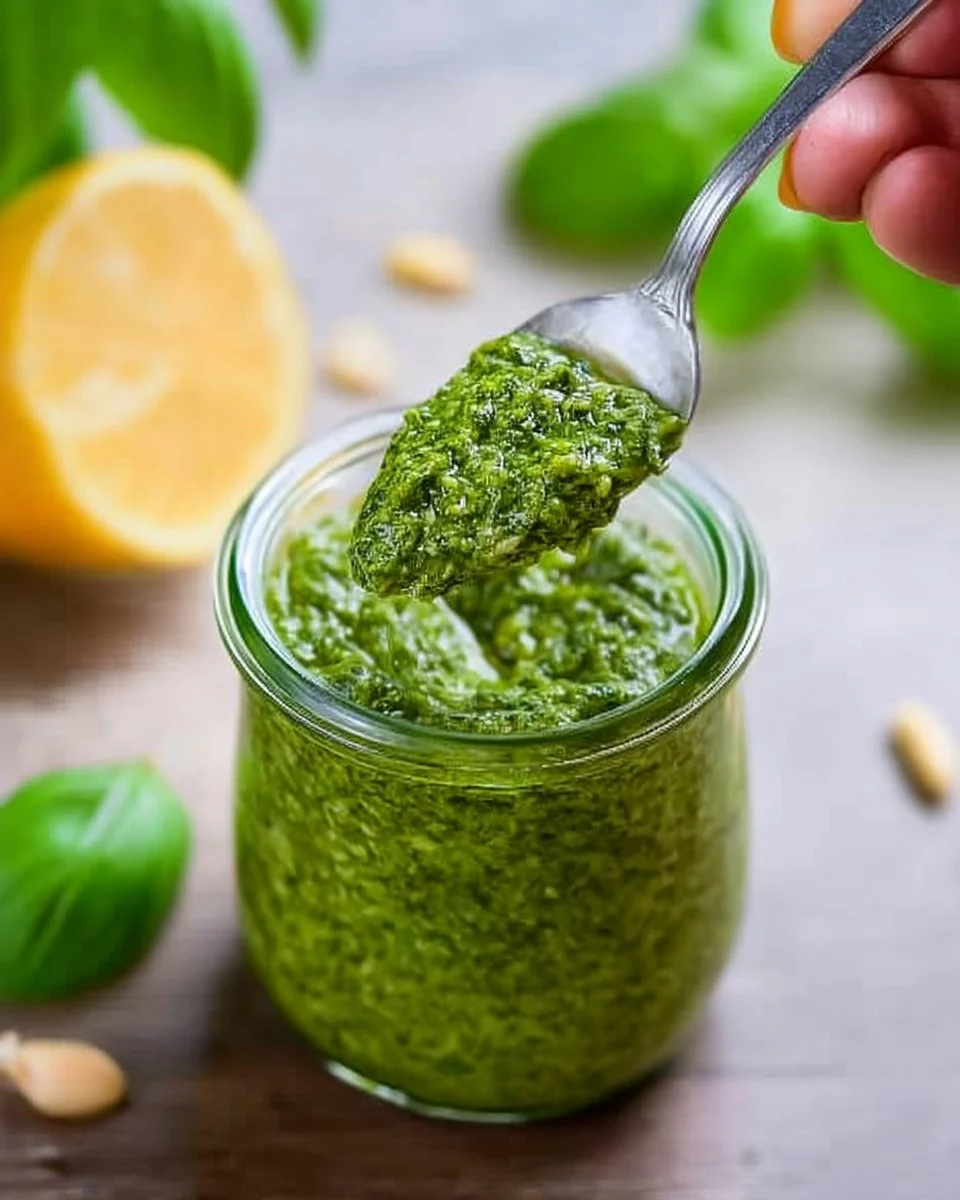
Pasta nights and family gatherings often lead to moments in the kitchen filled with both joy and frustration. If you’ve ever struggled to find ways to jazz up your meals while staying on budget, homemade pesto sauce may just be the answer to your culinary challenges. This delightful sauce not only warms your heart but is also packed with flavor and nutrition, making it a key player in your meal planning. With just a few simple ingredients, you can create a batch of this homemade pesto sauce that will elevate your dishes and bring that comforting homemade touch to your family’s table.
Kitchen Frustration That Makes This Recipe a Lifesaver
We all have those busy evenings where the thought of cooking feels like a chore. Between work, family commitments, and managing our daily to-do lists, it’s easy to feel overwhelmed. You might have experienced the frustration of opening the fridge, searching for something fresh and flavorful to whip up, only to be met with wilted greens and half-used packets of sauces that no longer inspire you.
This homemade pesto sauce recipe is designed to rescue you from those dull meal moments. It uses everyday ingredients and is so simple that anyone can do it—even if you believe you’re a kitchen novice. Imagine blending vibrant green basil with rich olive oil and nutty Parmesan, creating an aromatic paste that transforms any meal into something special. Plus, it’s budget-friendly; you can use fresh ingredients that you may already have on hand. So, the next time you find yourself staring at a lackluster fridge, remember this homemade pesto sauce.
Why This Homemade Pesto Sauce Works So Well
Quick Answer: This homemade pesto sauce combines fresh basil, Parmesan, olive oil, and nuts for a bright, flavorful condiment that’s easy to make and versatile for many dishes.
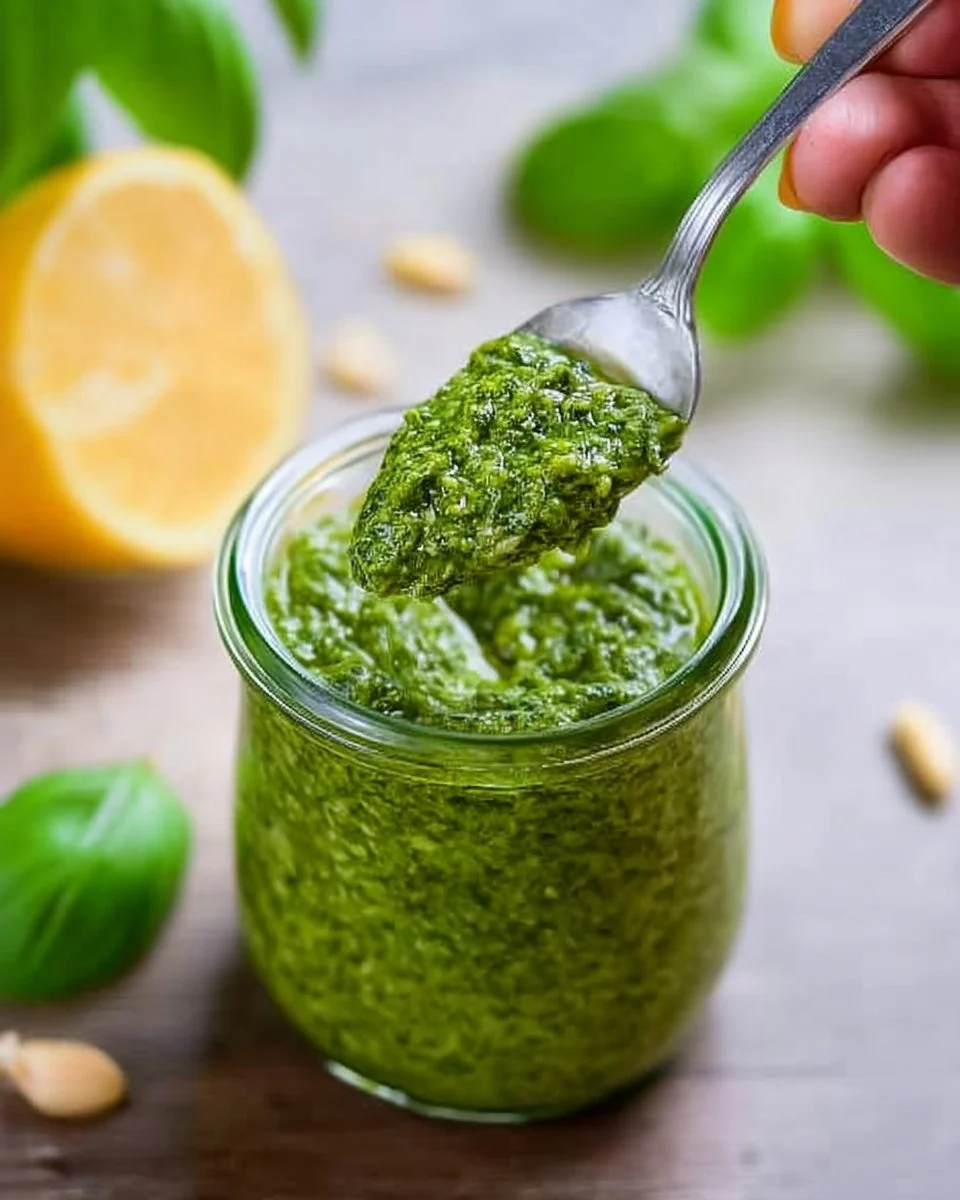
The beauty of this homemade pesto sauce lies in its simplicity and versatility. The blend of fresh basil, creamy Parmesan, and the richness of olive oil creates a vibrant, luscious texture that clings lovingly to any dish. No more limp noodles or boring sandwiches—this sauce brings life to your meals with just a dollop or two.
From a health-conscious perspective, basil is an herb packed with antioxidants, while the olive oil provides heart-healthy fats that align with your nutrition goals. This sauce is a true meal-planning powerhouse, enabling you to get creative with your dishes, whether you’re tossing it directly with pasta or using it as a spread on sandwiches and wraps.
Ingredients, Substitutions & Foolproof Tips
- 2 cups fresh basil leaves – The star ingredient, brightening up dishes with its fresh flavor.
- 1/2 cup grated Parmesan cheese – Adds a creamy, nutty flavor that enhances the sauce’s richness.
- 1/2 cup extra virgin olive oil – Provides healthy fats, lending a silky texture to the pesto.
- 1/3 cup pine nuts – Adds a delightful crunch and buttery richness; can be substituted with walnuts or almonds if desired.
- 3 garlic cloves, minced – A flavor enhancer that gives the pesto a savory kick.
- Salt and pepper to taste – Essential for balancing and enhancing all the flavors.
Tip:
Try to use fresh basil whenever possible as it will significantly enhance the flavor of your homemade pesto sauce compared to dried. You can also customize the cheese or nuts based on what you have available.
Step-by-Step Directions
- Combine Ingredients: In a food processor, combine the basil, Parmesan cheese, pine nuts, and minced garlic.
- Pulse Until Chopped: Pulse the mixture until it’s finely chopped. Be careful not to over-process; you want to retain some texture.
- Add Olive Oil: With the processor running, slowly pour in the extra virgin olive oil until the mixture is smooth and well blended.
- Season to Taste: Stop the processor and season with salt and pepper. Taste and adjust the seasoning if needed.
- Serve or Store: Serve immediately over pasta, bread, or as a dip, or store in a sealed container in the fridge.
Common Mistakes to Avoid & Pro Tips
- Mistake 1: Over-processing the basil can make it turn brown.
- Fix: Pulse until just finely chopped; a little texture is desirable.
- Mistake 2: Not tasting before serving can lead to bland dishes.
- Fix: Always sample and adjust seasoning as needed.
- Pro Tip 1: If you’re concerned about the color, drizzle a bit of olive oil over the surface before sealing your storage container.
- Pro Tip 2: This sauce doubles as a great sandwich spread; try it with grilled chicken or veggies for an added flavor punch.
Serving, Storage & Freezer Guide
How to Serve Homemade Pesto Sauce
This homemade pesto sauce can be served in countless ways. Stir it into freshly cooked pasta for a quick meal, spread it on toasted bread for a simple appetizer, or use it as a topping for grilled chicken or fish. It’s a fantastic way to incorporate vibrant flavors into your family’s meals without requiring hours in the kitchen.
How to Store Homemade Pesto Sauce
To store your homemade pesto sauce, transfer it to a sealed container and refrigerate. It should keep well for about a week. Be sure to press a piece of plastic wrap against the surface of the pesto to keep it fresh and vibrant.
Can You Freeze Homemade Pesto Sauce?
Yes, you can freeze homemade pesto sauce! Portion it into ice cube trays and freeze for easy, meal-sized portions. Once frozen, transfer the cubes to a zip-top bag for long-term storage. They’ll keep in the freezer for up to 3 months. Just pop out a cube when you need a quick flavor booster in your meals.
placeholder
Frequently Asked Questions
What can I use homemade pesto sauce on?
Homemade pesto sauce is extremely versatile. It works beautifully with pasta, sandwiches, grilled vegetables, and even as a pizza sauce. Let your creativity shine!
Can I use other nuts besides pine nuts?
Absolutely! If pine nuts are unavailable, you can easily substitute walnuts or almonds. Each nut will impart a different flavor profile, providing a unique twist to your homemade pesto.
How do I make this dairy-free?
For a dairy-free version, you can substitute the Parmesan with nutritional yeast. It provides a cheesy flavor without the dairy content!
How can I adjust the consistency of my pesto?
If your pesto is too thick, add a little more olive oil until you reach your desired consistency. Conversely, if it’s too thin, add more nuts or Parmesan to thicken it up.
Conclusion
Creating this homemade pesto sauce not only solves your kitchen dilemmas but also brings a touch of nostalgia to your family dinners. It’s an easy solution to cooking fatigue, helping you whip up delicious meals on a budget while effortlessly adhering to your nutrition goals. If this recipe reminds you of someone you love, share it with them. Your memories keep recipes alive.
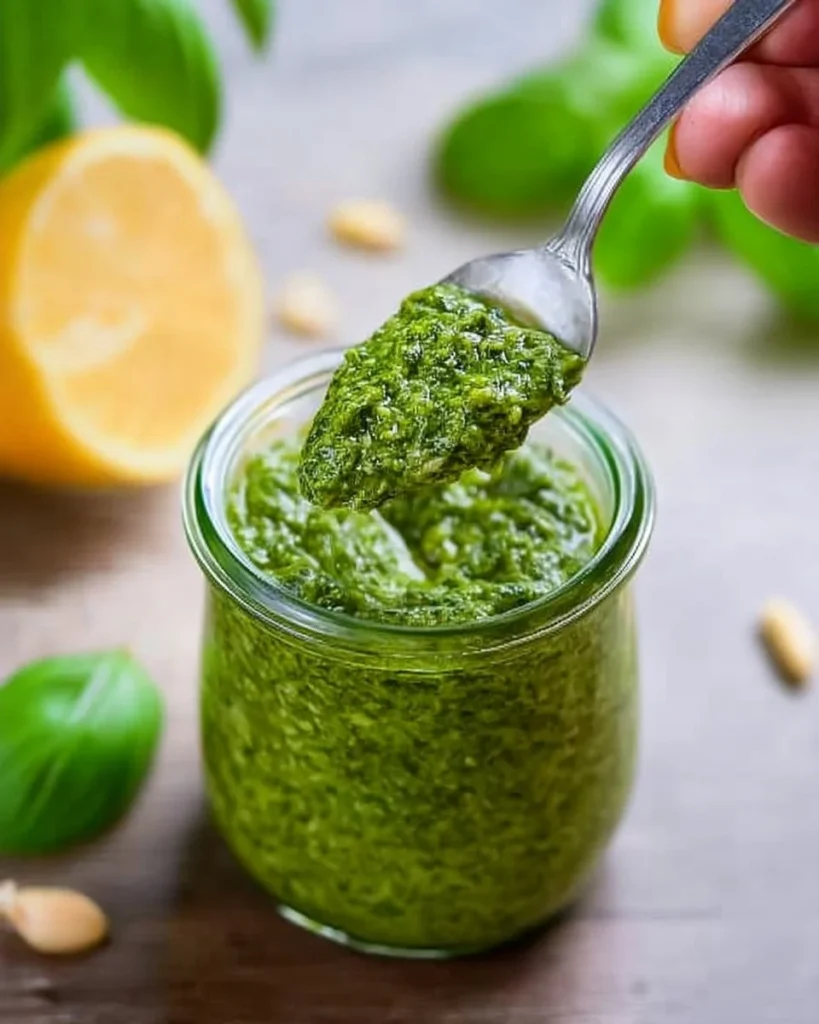
Homemade Pesto Sauce
Ingredients
Method
- In a food processor, combine the basil, Parmesan cheese, pine nuts, and minced garlic.
- Pulse the mixture until it’s finely chopped. Be careful not to over-process; you want to retain some texture.
- With the processor running, slowly pour in the extra virgin olive oil until the mixture is smooth and well blended.
- Stop the processor and season with salt and pepper. Taste and adjust the seasoning if needed.
- Serve immediately over pasta, bread, or as a dip, or store in a sealed container in the fridge.