
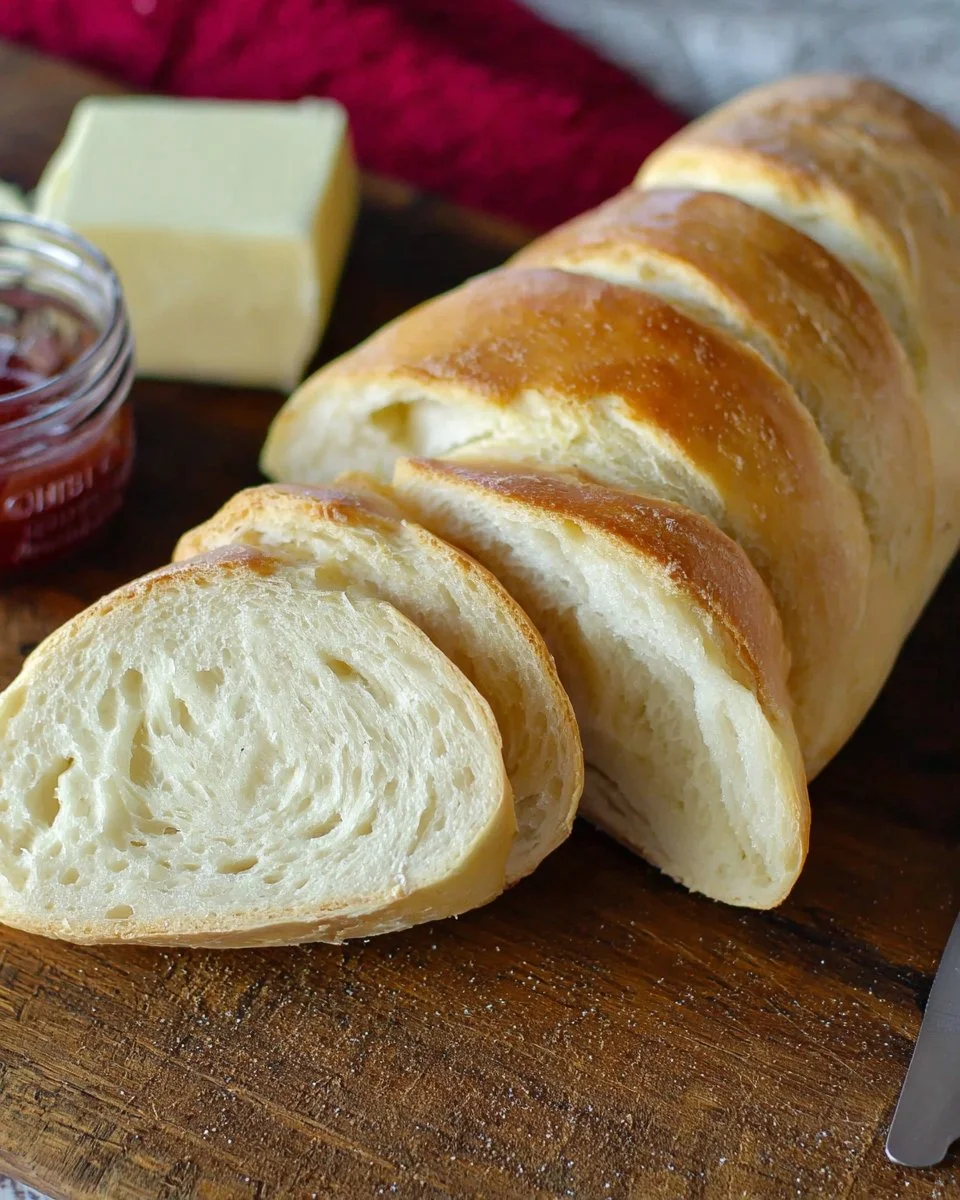
There’s something inherently comforting about the smell of freshly baked bread wafting through your home. The soft, warm texture, the irresistible aroma, and the golden crust evoke feelings of nostalgia and warmth. However, many of us struggle with kitchen fatigue or the challenge of sticking to meal plans filled with healthy options. That’s where this Homemade Bakery French Bread comes in. Not only does it satisfy those cravings, but it also provides a budget-friendly solution to feeding your family, making it an ideal solution for those looking to create heartfelt meals without breaking the bank.
Kitchen Frustration That Makes This Recipe a Lifesaver
In today’s fast-paced world, cooking can sometimes feel like a chore rather than a joy. Many women find themselves battling fatigue after long days, which can lead to quick, less satisfying meals that don’t meet nutritional goals. This Homemade Bakery French Bread is the antidote to such kitchen frustrations. The simple ingredients come together to form a delightful, protein-packed bread that can be used for multiple meals and occasions. By introducing this recipe into your meal plan, you not only satisfy your family’s hunger but also create an opportunity to gather around the table and share genuine moments.
If you’re feeling overwhelmed at the thought of preparing bread from scratch, remember that this recipe is as easy as following a few logical steps. Just set aside a bit of time, and you’ll have made something both delightful and nourishing – a true culmination of love and effort.
Why This Homemade Bakery French Bread Works So Well
Quick Answer: This Homemade Bakery French Bread boasts a crispy crust, soft texture, and delightful taste, making it a perfect addition to any meal or occasion.
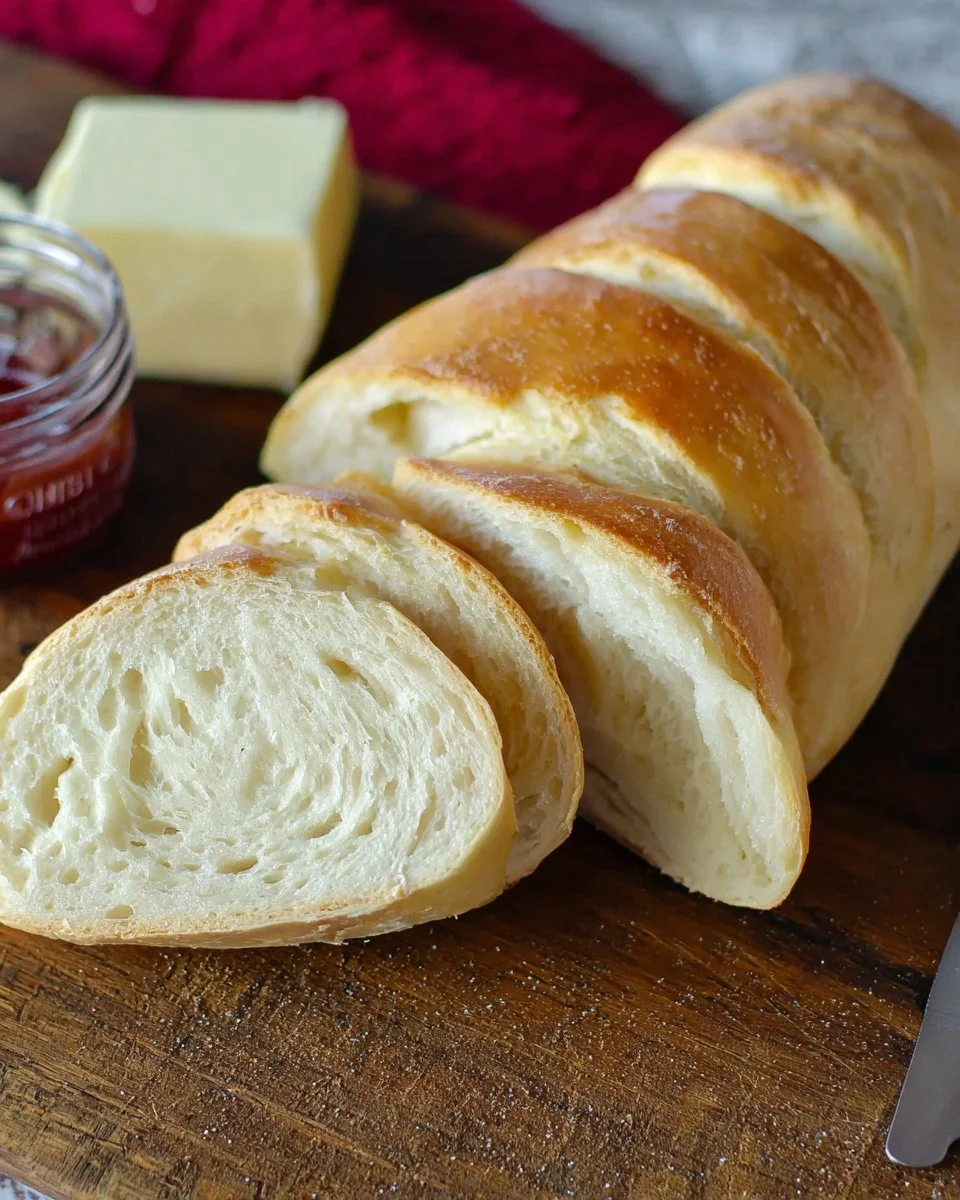
What makes this Homemade Bakery French Bread truly exceptional is its blend of flavor and texture. The golden crust is beautifully crunchy while the inside remains soft and fluffy, creating a perfect balance. This bread is also a time-saving option that fits seamlessly into salad dinners or family meals, helping you stretch your meal planning.
Furthermore, this bread is not only delicious, but it’s also a healthy choice. With minimal ingredients, it’s free from preservatives often found in store-bought varieties. This means you’re in control of what you feed your family, allowing you to maintain your health-conscious lifestyle without sacrificing flavor.
Ingredients, Substitutions & Foolproof Tips
- 2 Tablespoons Yeast: Essential for the bread to rise and achieve its fluffy texture.
- 1/2 cup Warm Water: Activates the yeast; make sure it’s warm but not hot.
- 2 cups Hot Water: Adds moisture and helps dissolve other ingredients.
- 3 Tablespoons Sugar: Aids in browning and balances the flavor.
- 2 1/2 teaspoons Salt: Enhances flavor while controlling yeast growth.
- 1/3 cup Oil: Keeps the bread soft and moist.
- 6 1/2 cups Flour: The foundation of your bread; all-purpose flour gives the best results.
- 1 Egg (for brushing on bread): Adds a beautiful golden finish.
Step-by-Step Directions
- Dissolve yeast: In a small bowl, dissolve your yeast in ½ cup warm water. Ensure your water is warm—not too cold or too hot—then let it proof for 10 minutes until bubbly.
- Mix initial ingredients: In a separate mixing bowl, combine hot water, sugar, salt, oil, and 3 cups of flour. Stir until well combined, then add in the yeast mixture.
- Add remaining flour: Incorporate the remaining 3 ½ cups of flour, one cup at a time, mixing after each addition. The dough is ready to rise once it starts pulling away from the bowl.
- Let dough rest: Allow the dough to sit for 10 minutes. During this time, you’ll notice it becoming less sticky and easier to handle.
- Shape the loaves: Divide your dough into three equal pieces. On a floured surface, roll each piece into a 9×12 rectangle. Roll it up jelly-roll style, shaping it into a French bread loaf.
- Prepare for baking: Place the shaped dough onto a greased baking pan or onto a Silpat, seam side down. Make 3-4 diagonal cuts about 1/4 inch thick on top. Brush with the beaten egg for a shiny finish.
- Let rise: Allow the dough to rise uncovered for 30-40 minutes in a warm place, which will help it double in size.
- Bake: Preheat your oven to 375°F (190°C) and bake the loaves for 18-22 minutes, or until they are golden brown and sound hollow when tapped.
Common Mistakes to Avoid & Pro Tips
Common Mistakes:
- Using water that is too hot can kill the yeast.
- Not allowing enough time for the dough to rise can lead to dense bread.
- Forgetting to make cuts on the bread surface can cause undesirable rising and cracking.
Pro Tips:
- For a more flavorful bread, try adding herbs or garlic powder to the dough.
- Serve with butter or olive oil for a delicious side.
- Consider using whole wheat flour for a heartier option.
Serving, Storage & Freezer Guide
How to Serve Homemade Bakery French Bread
This Homemade Bakery French Bread shines when served fresh from the oven. Slice warm, and pair it with soups, salads, or as a base for sandwiches. It also makes for delightful toast topped with your favorite spreads or accompaniments, creating a meal that is both filling and satisfying.
How to Store Homemade Bakery French Bread
To keep your French bread fresh, store it in a breadbox or a paper bag at room temperature for up to three days. Avoid plastic bags as they can create moisture, resulting in soggy bread.
Can You Freeze Homemade Bakery French Bread?
Absolutely! To freeze, allow the bread to cool completely, then wrap it tightly in plastic wrap and place it in a freezer-safe bag. It can be stored for up to three months. To enjoy, simply thaw at room temperature or pop it in the oven for a few minutes to refresh its texture.
placeholder
Frequently Asked Questions
Question 1
Can I use instant yeast instead of active dry yeast?
Yes, you can use instant yeast directly in the flour without proofing it first, making the process even quicker.
Question 2
What can I do if my dough isn’t rising?
Make sure your yeast is fresh and that you’re using the correct water temperature. If the environment is too cold, consider placing it in a warmer area.
Question 3
How can I add flavor to my French bread?
Experiment with herbs like rosemary or thyme or add garlic for a savory twist that complements many meals.
Question 4
Can I use whole wheat flour?
You can substitute all or part of the all-purpose flour with whole wheat flour for a heartier loam, but you may need to adjust the liquid as whole wheat absorbs more moisture.
Conclusion
Homemade Bakery French Bread is not just a recipe; it’s a tradition that brings warmth and comfort to your table. With this simple and accessible guide, you can create perfectly fluffy loaves that will enhance family meals, help save money, and even keep your kitchen stocked with fresh bread.
If this recipe reminds you of someone you love, share it with them. Your memories keep recipes alive.
Homemade Bakery French Bread
Ingredients
Method
- In a small bowl, dissolve your yeast in ½ cup warm water and let it proof for 10 minutes.
- In a separate mixing bowl, combine hot water, sugar, salt, oil, and 3 cups of flour. Stir until well combined.
- Add the yeast mixture to the flour mixture.
- Incorporate the remaining 3 ½ cups of flour, one cup at a time, mixing after each addition.
- Allow the dough to sit for 10 minutes.
- Divide the dough into three equal pieces and roll each piece into a 9x12 rectangle, then shape into loaves.
- Place the shaped dough onto a greased baking pan and make 3-4 diagonal cuts on top. Brush with beaten egg.
- Allow the dough to rise in a warm place for 30-40 minutes.
- Preheat your oven to 375°F (190°C).
- Bake the loaves for 18-22 minutes until golden brown.