
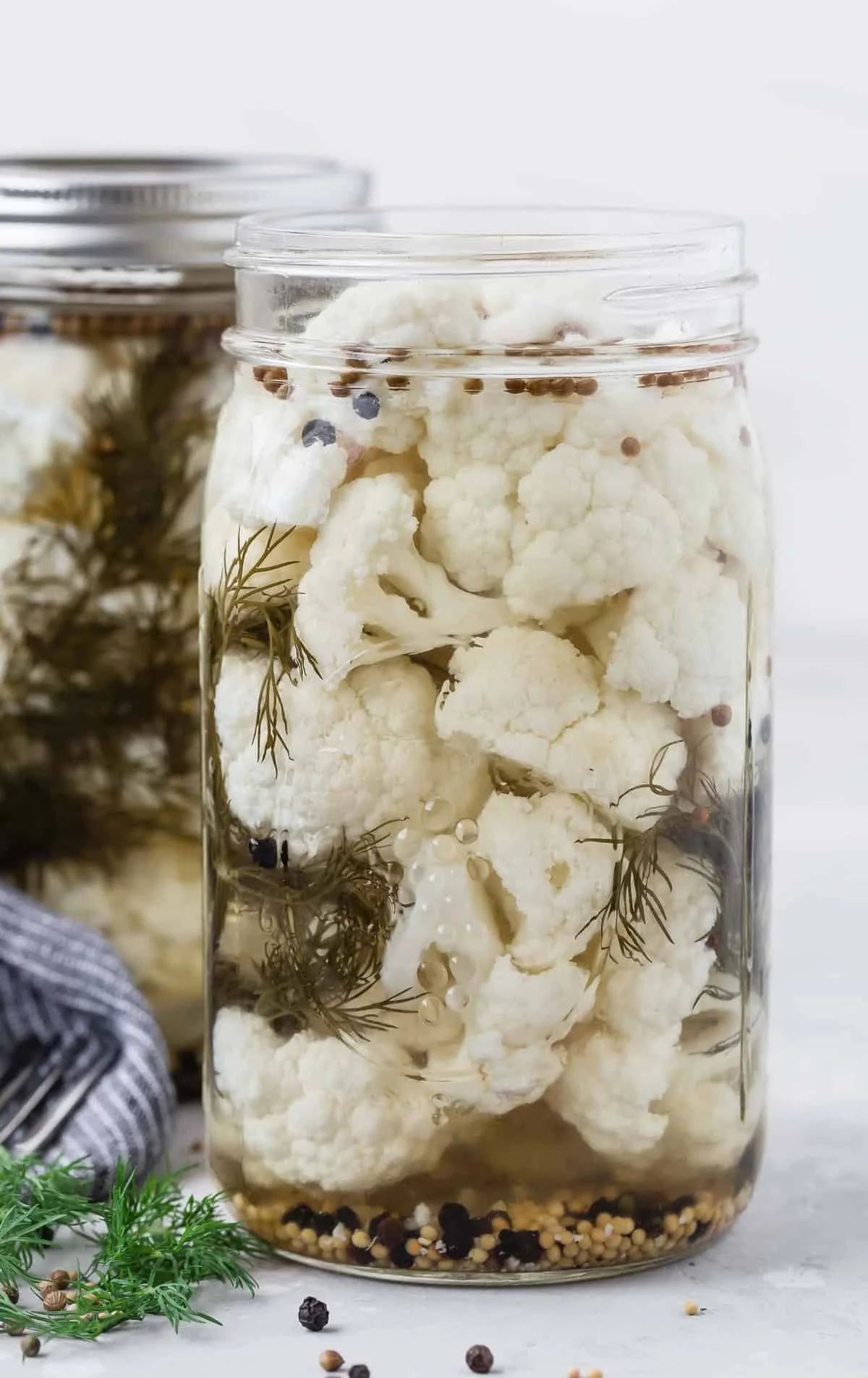
Ah, pickled cauliflower. There’s something immensely satisfying about the crunch of those bright white florets, bathed in a savory, tangy brine. It’s as if every bite is a burst of memories picnics on sunny days, family barbecues, or even quiet evenings at home, savoring a taste of something that feels like a big hug in a jar. If you’ve found yourself wondering how to recreate that delightful tangy treat, you’re in the right place! In this guide to making Pickled Cauliflower, we’ll dive into the simple joys that accompany the art of pickling, making your kitchen feel like a nostalgic haven.
Why You’ll Love This Pickled Cauliflower Recipe
A Crunchy Comfort
Picture this: You’ve spent a long day juggling life’s responsibilities, and all you want is a moment of comfort. Enter pickled cauliflower—a perfect, zesty snack that can turn an ordinary meal into something special. But I know what you might be thinking: “Will it really taste like I remember?” The answer is yes! This Pickled Cauliflower is about capturing that homemade charm while giving your meals that extra crunch and zing. The tangy and vibrant notes pair beautifully with sandwiches, salads, or even served on its own as a delightful appetizer.
This Dish Solves That
No need to fret about finding that store-bought alternative that never quite measures up. This recipe offers the warmth of home cooking while allowing you to create your tasty versions. Each jar of Pickled Cauliflower you fill becomes a little treasure that brings a smile when you pull it out from the refrigerator—like unearthing a fond memory from the past.
In just a few simple steps, you can achieve that satisfying crunch and tang, perfect for late-night snacks or family gatherings. How delicious does that sound?
Ingredients Breakdown & Prep Tips
Ingredient List with Suggestions
Here’s what you’ll need for your Pickled Cauliflower, ready to bring a delicious zing to your dining experience:
| Ingredient | Notes |
|---|---|
| 2 mason jars (quart size) | Ensure they’re sterilized |
| 4 cloves garlic, halved | Add more cloves for extra flavor if desired |
| 2 teaspoons black peppercorns | You can substitute with white peppercorns |
| 2 teaspoons mustard seeds | Optional, but they add a lovely depth |
| 2 teaspoons coriander seeds | Optional, add a lovely warmth |
| 4 sprigs fresh dill | You can use dried dill too if fresh isn’t available |
| 1 head cauliflower, washed and cut into florets (2 pounds) | Choose firm, fresh florets for the best texture |
| 3 cups water | Filtered is best, but tap is okay |
| 1 1/2 cups white vinegar | Adjust acidity level as needed |
| 3 teaspoons kosher salt | Sea salt can also work |
| 3 teaspoons granulated sugar | Essential for balancing acidity |
| 1 teaspoon red pepper flakes (optional) | For a spicy kick! |
Prep Method with Sensory Cues
Wash the jars and lids well with hot soapy water, rinse, and dry. The simple act of preparing the jars brings a comforting aroma of cleanliness to your kitchen, setting the stage for something magical.
Divide garlic, peppercorns, mustard seeds, coriander seeds, dill, and red pepper flakes (if using) evenly between the two jars. Fill them to the top with cauliflower florets, arranging them ever so lovingly.
In a small saucepan, bring water, vinegar, salt, and sugar to a boil over high heat. As the mixture bubbles and steams, the anticipation builds! The sharp scent of vinegar mingles with the spices, evoking memories of family cooking.
Once it comes to a boil, remove from heat and pour into the jars. You’ll hear the satisfying splash as the brine envelops the cauliflower, ensuring it’s covered completely. If needed, top off with water to ensure full submersion.
Cover the jars and let them cool to room temperature before moving them to the fridge. With patience, you’ll finally be rewarded after at least 24 hours of refrigeration before tasting. This resting time allows the flavors to mingle and deepen.
Nutrition Highlights
| Nutrient | Per Serving |
|---|---|
| Protein | 7g |
| Carbs | 12g |
| Fat | 6g |
Avoid These Mistakes
Common Mistakes & Fixes
When you’re making Pickled Cauliflower, it’s easy to stumble a bit along the way. Here are some gentle reminders:
Not sterilizing jars properly: Always ensure they’re clean to prevent unwanted bacteria. A quick boil or use of the dishwasher works wonders.
Not letting them sit long enough: The longer they sit, the more infused and flavorful the cauliflower becomes. So, have faith and show a little patience!
Using tired spices: Fresh spices give the best flavor. Check your spice cabinet for freshness to make your Pickled Cauliflower truly shine.
Overcrowding the jars: Ensure the cauliflower is fitted snugly but not squished. It needs room to breathe and absorb that delightful brine.
Pro Tips to Get It Right
For an extra flavor boost, try adding a bay leaf or a slice of lemon for a refreshing twist.
Don’t skip the sugar; it balances the acidity beautifully. It’s the secret ingredient to making that tang much more pleasing.
Feel free to experiment with the spices you love! Don’t be afraid to put your unique spin on this classic recipe. And with each jar, you’ll be creating a delightful memory!
Serving, Storage & Creative Variations
Best Ways to Serve It
Sharing your homemade Pickled Cauliflower is a beautiful way to spread joy. Serve it alongside a cozy dinner or brightening up a picnic spread. It’s perfect for topping off sandwiches or adding a zing to salads. Imagine scooping some on a plate of nachos or enjoying it as a stand-alone snack amongst loved ones.
Storage + Seasonal or Dietary Variations
Allow your Pickled Cauliflower to shine in all its glory! Store it in the fridge for up to two months. While it’s best fresh, the flavor only deepens over time. If you’re looking to mix things up, consider adding carrots or cucumbers to the jars—they’ll pick up that tantalizing brine, too!
If you’re looking for more ideas, try serving it with our Easy Creamy Tomato Soup or as a side for Garlicky Feta Chicken Salad.
FAQs
What is the best way to eat pickled cauliflower?
The best way is straight from the jar! You can also enjoy it on salads, sandwiches, or alongside charcuterie boards.
How long can pickled cauliflower last in the fridge?
Properly stored, pickled cauliflower can last for up to two months in the fridge.
Can I use other vegetables for pickling?
Absolutely! Feel free to explore with carrots, green beans, or even radishes for variety.
Is it necessary to add sugar to pickled cauliflower?
Yes, sugar helps balance the acidity of the vinegar, making the flavor more enjoyable.
Conclusion
As you navigate the world of pickling, take heart in knowing that each jar of Pickled Cauliflower encapsulates not just a delicious taste, but also a heartfelt connection to the past. This cherished recipe can bring comfort to your home and be a beacon of joy. So, if this dish brings back a memory, pass it on. Someone you love might need it today. Relive those cherished moments and share the love by trying our Cucumber Tuna Salad with Dill!
YOU MAY ALSO LIKE
You may also love these:
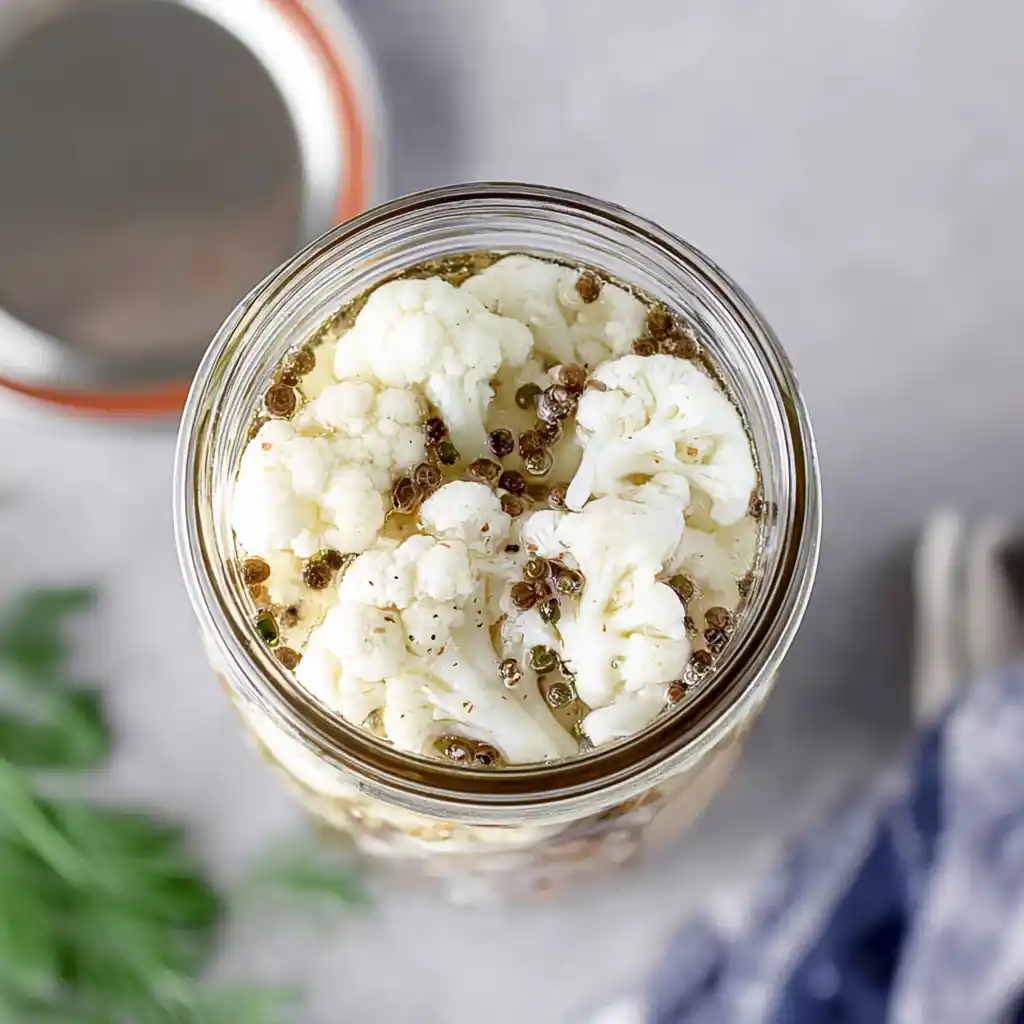

Pickled Cauliflower
Ingredients
Equipment
Method
- Wash jars and lids with hot soapy water; rinse and dry.
- Divide garlic, peppercorns, mustard seeds, coriander seeds, dill, and red pepper flakes between two quart jars.
- Pack jars tightly with cauliflower florets.
- Bring water, vinegar, salt, and sugar to a boil in a small saucepan.
- Remove from heat and pour hot brine into jars to cover florets.
- Top off with water if needed; seal jars and cool to room temperature.
- Refrigerate at least 24 hours before eating.