
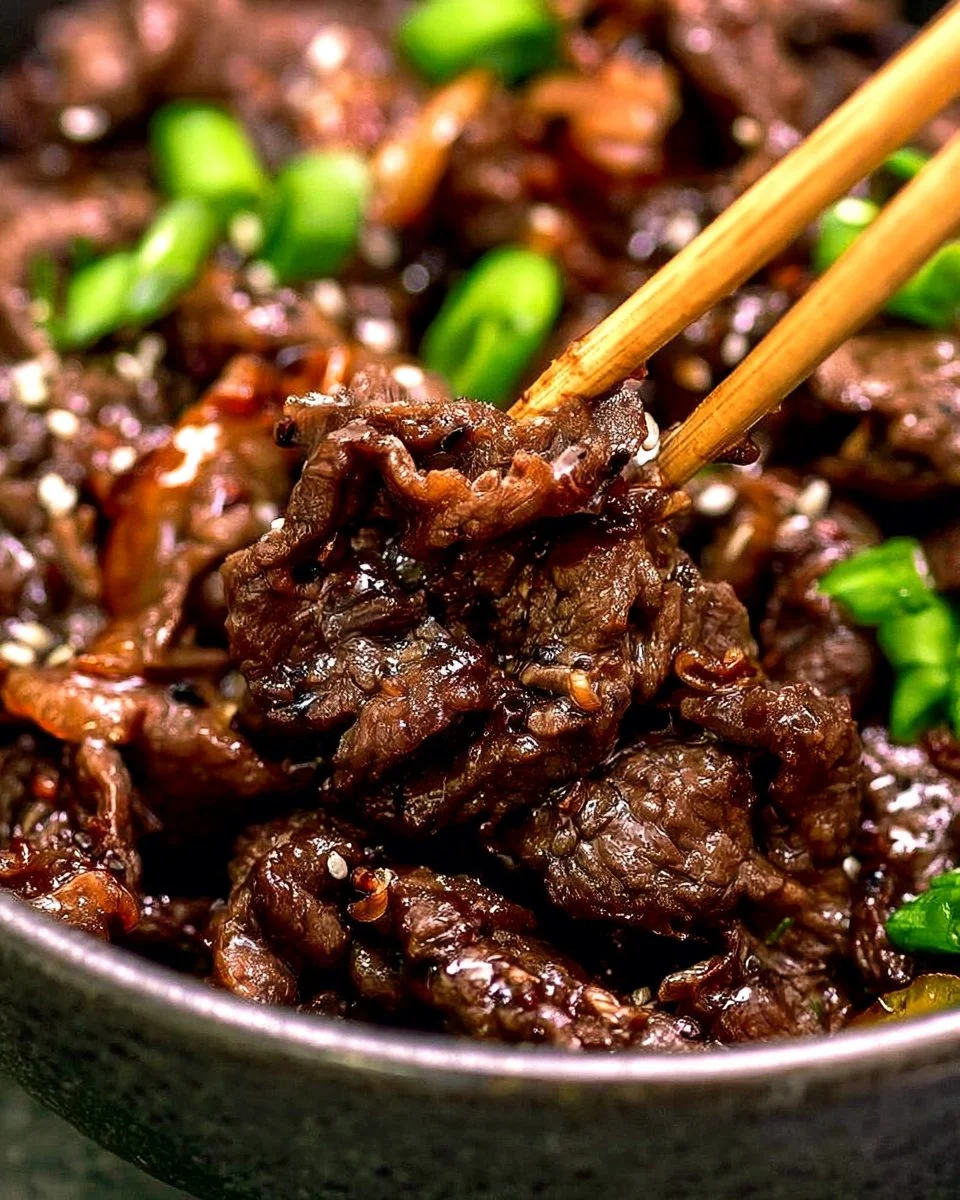
Unleash the irresistible flavors of Korea right in your kitchen with a dish that is as pleasing to the palate as it is quick to prepare. The juicy, tender beef marinated in a captivating blend of savory and slightly sweet ingredients creates a delightful experience. As the beef grills to perfection, the enticing aroma fills the air, setting the stage for a satisfying meal. Pair it with a steaming bowl of white rice, and you’ve got a comforting dinner that will impress your family and friends alike.
Quick Answer
This Korean Beef Bulgogi recipe is a delicious, quick-to-make dish that combines tender beef slices marinated in an umami-rich sauce, making it a perfect centerpiece for any meal.
Why You’ll Love This Recipe
Once you try this savory delight, you’ll understand its popularity beyond Korea.
- Quick and easy preparation suits busy weeknights.
- Flavor-packed marinade enhances the beef’s natural taste.
- Versatile enough to serve over rice, noodles, or in lettuce wraps.
- Nutritious, thanks to lean beef and fresh ingredients.
- Can be marinated ahead for convenient meal prep.
What Makes This Recipe Special
This recipe stands out because of its simple yet effective marinade, which infuses the beef with depth and richness. Utilizing ingredients like Asian pear lends a hint of sweetness and tenderizes the meat, while the combination of garlic, ginger, and sesame oil rounds out the flavor profile. The cooking method preserves the natural juices of the beef, resulting in a dish that is juicy and delectably satisfying. Plus, preparing it at home transforms it into a more economical choice compared to dining out, giving you both quality and value.
Kitchen Tools You’ll Need
- Cast-iron grill pan – Provides even heat for perfect searing.
- Plastic wrap – Essential for freezing the beef for easier slicing.
- Ziploc bags – Convenient for marinating the beef.
- Medium bowl – Useful for mixing the marinade ingredients.
- Sharp knife – Necessary for slicing the beef thinly against the grain.
Ingredients
flank steak, sirloin, tenderloin, or Ribeye: Provides a juicy and tender base, ideal for marinating and grilling.
vegetable oil: Helps achieve a nice sear on the beef while cooking.
green onions: Adds a fresh, crisp element as a garnish or mix-in.
toasted sesame seeds: Offers crunch and a nutty flavor accent.
reduced-sodium soy sauce: Anchors the marinade with a rich, umami taste.
rice vinegar: Balances the flavors with a touch of acidity.
light brown sugar: Contributes sweetness and caramelization during cooking.
sesame oil: Infuses a deep, nutty essence into the marinade.
garlic: Delivers a bold, savory flavor that complements the beef.
freshly grated ginger: Adds warmth and a hint of spice to the marinade.
Asian pear: Tenderizes the beef and imparts a subtle sweetness.
red pepper flakes: Provides a mild heat and balances the sweetness in the dish.
Ready to cook? Scroll to the recipe card below for exact measurements.
How to Make Korean Beef Bulgogi
Phase 1 – Prep
STEP 1. Freeze the beef. Wrap the flank steak in plastic wrap and place it in the freezer for 3 hours.
STEP 2. Slice the beef. Unwrap and slice across the grain into 1/4-inch thick slices.
STEP 3. Mix the marinade. In a medium bowl, combine all the marinade ingredients.
STEP 4. Combine beef and marinade. Add the marinade to a gallon-size Ziploc bag and add the steak slices.
STEP 5. Marinate the beef. Marinate for at least 2-3 hours or overnight, turning the bag occasionally.
Phase 2 – Cook
STEP 6. Heat the pan. Place a large cast-iron grill pan over medium-high heat.
STEP 7. Add oil. Once heated, add 1 tablespoon of vegetable oil.
STEP 8. Cook the beef. Working in batches, add the steak slices to the pan in a single layer and cook until charred, flipping once, about 2-3 minutes per side.
STEP 9. Add remaining oil. Add the remaining 1 tablespoon of vegetable oil and cook the rest of the steak.
Phase 3 – Serve
STEP 10. Plate and garnish. Serve immediately over white rice, garnished with chopped green onions and toasted sesame seeds if desired.
Why This Recipe Works
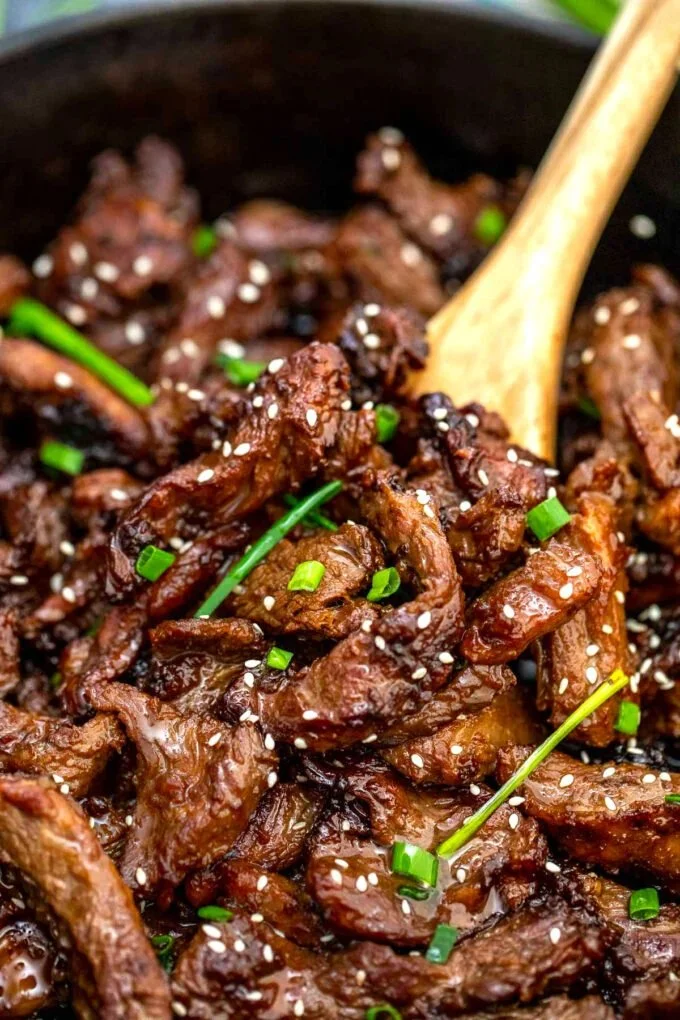
This recipe achieves the perfect balance of texture and flavor. Marinating the beef allows it to absorb all the delicious seasonings, resulting in a harmonious blend of savory and slightly sweet notes that create a rich taste experience. The grilling method locks in the juices, producing tender, succulent slices that are slightly charred yet moist. The freshness from the garnishes adds brightness, rounding out the dish beautifully. Overall, the ingredient interactions elevate each component, making each bite a delight.
Pro Tips
To ensure your Korean Beef Bulgogi turns out exceptional, consider these helpful tips. First, always slice the beef against the grain for maximum tenderness. A sharper knife will make this task easier, allowing for clean cuts. When marinating, longer is better; overnight marination enhances the flavor and tenderness. If you have time, double the marinade and reserve some before adding it to the meat; use it as a dipping sauce. Lastly, avoid overcrowding the pan while cooking to ensure a good sear and prevent steaming, which keeps the meat juicy and flavorful.
Common Mistakes to Avoid
Mistake: Not slicing beef against the grain.
Why it happens: This can lead to tougher, chewier pieces of meat.
How to fix it: Always look for the direction of the muscle fibers and cut across them.
Mistake: Skipping the marination time.
Why it happens: Impatience or time constraints may pressure cooks to rush.
How to fix it: Plan ahead and aim for at least a few hours, preferably overnight.
Mistake: Overcrowding the pan.
Why it happens: Trying to cook too much at once can lead to steaming instead of searing.
How to fix it: Cook in smaller batches to achieve that beautiful char.
Mistake: Using the wrong cut of beef.
Why it happens: Choosing tougher cuts can result in disappointing texture.
How to fix it: Stick with tender cuts like flank steak, sirloin, or ribeye for the best outcome.
Variations
- Spicy Bulgogi – Add more red pepper flakes or Sriracha for heat.
- Chicken Bulgogi – Substitute beef with chicken thighs for a lighter option.
- Vegetarian Bulgogi – Use portobello mushrooms or tofu for plant-based goodness.
- Wrap it up – Serve in lettuce wraps for a fresh, crunchier presentation.
- Serve with kimchi – Add kimchi for a tangy, probiotic boost.
Nutrition Highlights
| Nutrient | Role |
|---|---|
| Protein | Supports satiety and provides energy for active days. |
| Iron | Essential for creating red blood cells and transporting oxygen. |
| Vitamins | Contributes to overall health and immune function. |
Serving Ideas
This flavor-packed bulgogi pairs wonderfully with a variety of sides. Serve it with steamed white rice for a traditional experience, or try it atop a refreshing salad for a light meal. The grilled beef can also be tucked into warm tortillas for a fusion twist. For a complete dinner, add some roasted vegetables on the side to complement the rich flavors of the beef. Don’t forget a side of pickled vegetables or kimchi to enhance the meal with crisp, tangy bites.
Best Occasions for This Recipe
This Korean Beef Bulgogi recipe shines at weeknight family dinners when you’re short on time but still want something tasty and nutritious. It’s also perfect for casual get-togethers with friends, showcasing a delightful dish you can prepare ahead of time. Alternatively, serve it during festivities or themed dinner parties to impress guests with a special homemade meal that feels upscale but is simple enough for everyday enjoyment.
Meal Prep & Storage
Meal Prep
To make meal prep more manageable, marinate the beef the night before. Cook larger batches to provide leftovers, and consider creating lunch bowls packed with rice and vegetables for quick lunches throughout the week.
Refrigeration
Store any leftover beef in an airtight container in the refrigerator for up to three days. Reheat gently to maintain tenderness and flavor.
Freezing
To preserve flavors, freeze marinated beef slices in a Ziploc bag for up to three months. Thaw overnight in the fridge before cooking.
Reheating
Reheat in a skillet over medium heat to keep the beef juicy, or use the microwave for quick reheating, ensuring it doesn’t dry out.
FAQs
Can I make this recipe gluten-free?
Yes, simply use gluten-free soy sauce and consider additional substitutes like coconut aminos.
How can I adjust the spice level?
Feel free to add more or less red pepper flakes, or replace them with a milder pepper if desired.
Can I use a different cut of beef?
While flank steak is traditional, you can use any tender cut like sirloin or ribeye for excellent results.
What sides go well with bulgogi?
Serve with rice, steamed vegetables, or lettuce wraps for a complete meal experience.
How do I store leftovers?
Keep leftovers in an airtight container in the fridge for up to three days, or freeze for longer storage.
Save This Recipe for Later
If you’re looking for a dish that promises satisfaction with every bite, don’t forget to save this Korean Beef Bulgogi recipe for when you need a quick family meal that’s bursting with flavor!
Conclusion
Whether you’re a fan of Korean cuisine or just exploring flavors from around the world, Korean Beef Bulgogi is a dish that will elevate your dinner table. Its blend of sweet and savory, paired with that perfect grill char, makes it incredibly enjoyable. Easy to prepare, this recipe fits right into your meal-planning strategy, ensuring you can serve up excitement and comfort in every bite.