
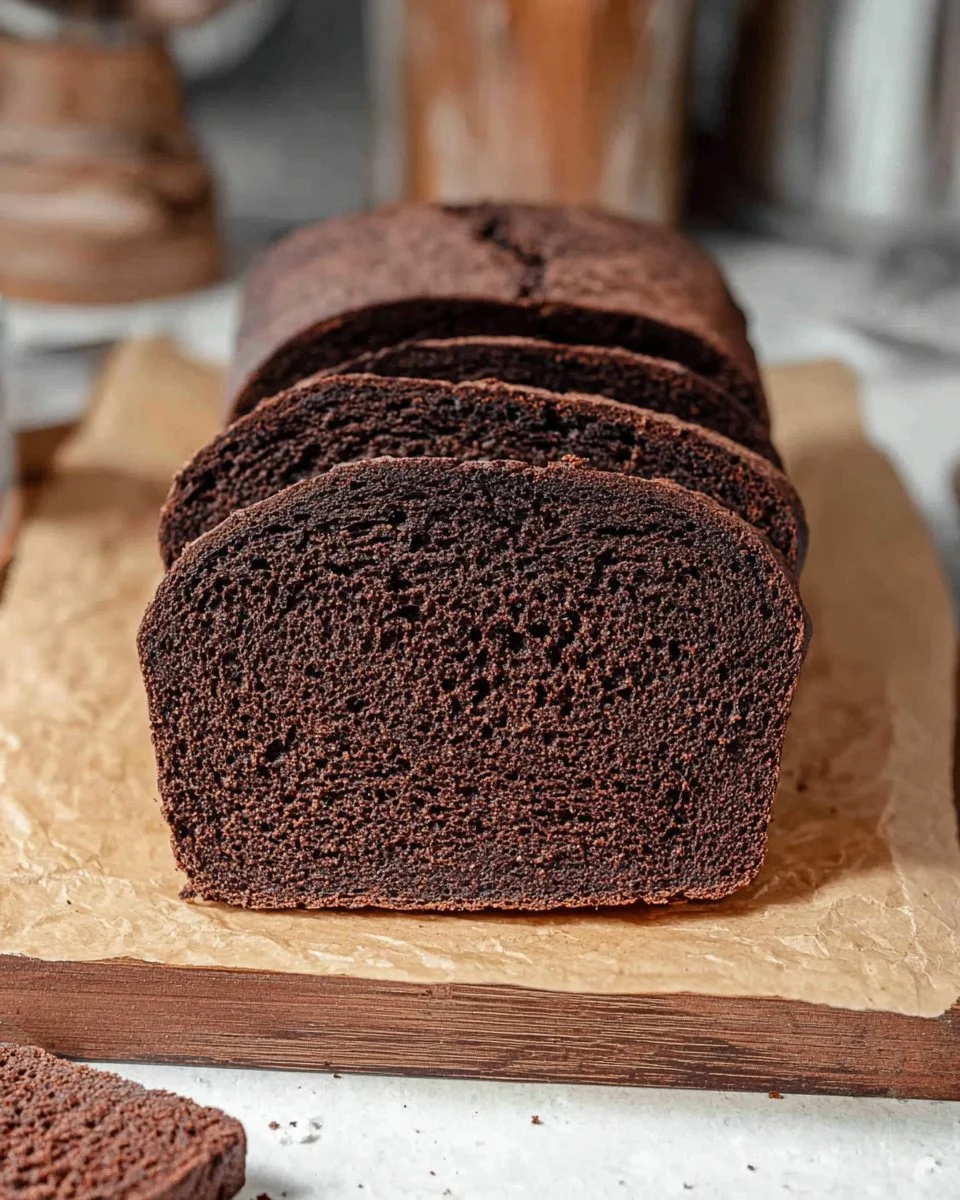
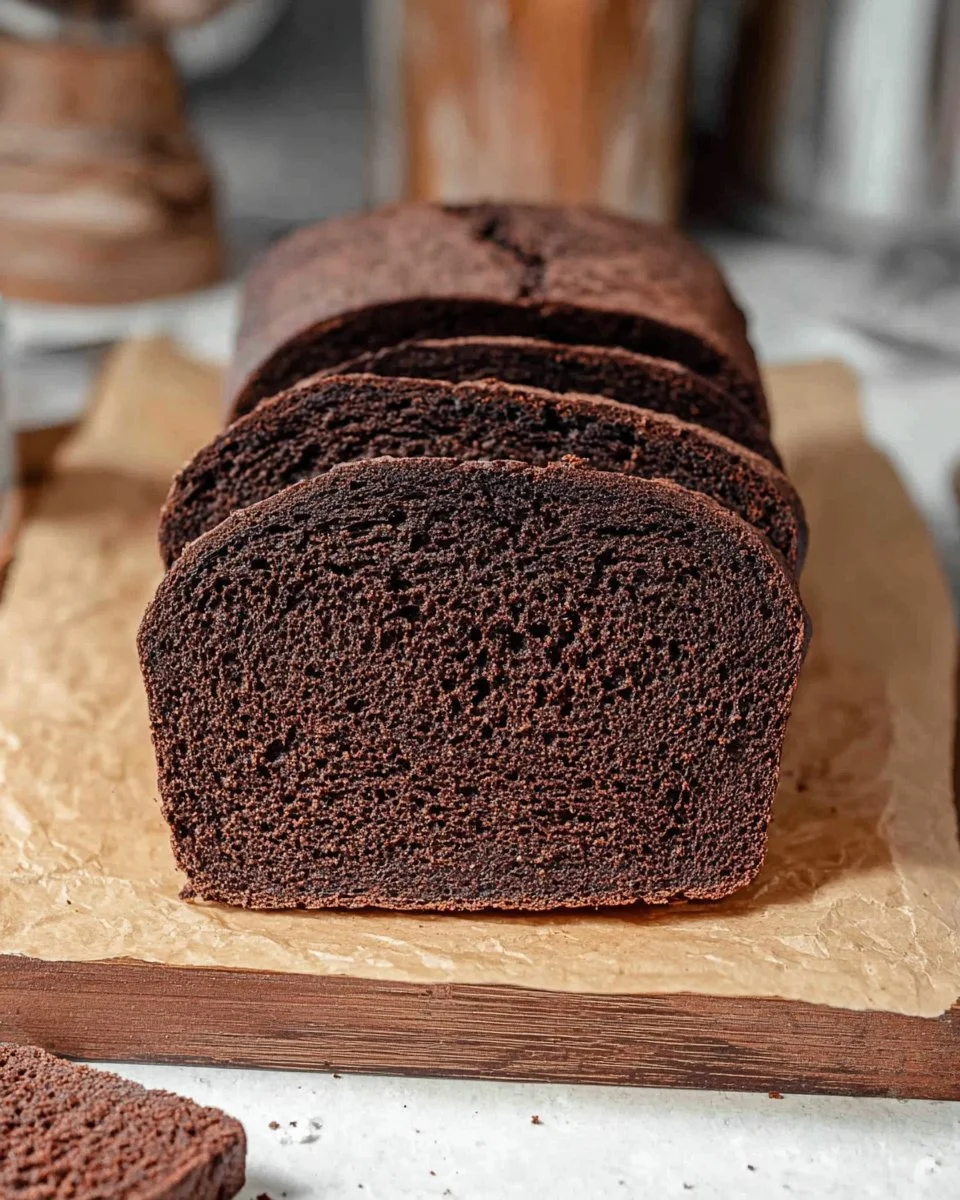
When you think of homemade bread, Pumpernickel Bread offers a delightful experience that transports you to a cozy European bakery. Its deep, earthy flavor, coupled with a dense and slightly chewy texture, creates an irresistible loaf that’s perfect for toasting or serving with hearty meals. Just imagine slicing into a warm loaf, the rich aroma filling your kitchen, and the anticipation of tasting something truly special. Best served with a smear of butter or a slice of cheese, it’s a comforting addition to any table. Whether you’re an experienced baker or just venturing into bread-making, this wholesome recipe is not only satisfying but also surprisingly easy to master. Additionally, it’ll impress your family and friends, making it an ideal choice for gatherings or special occasions. Get ready to elevate your bread game with a sumptuous loaf that promises to be a delightful companion to your favorite soups and salads.
Why You’ll Love This Recipe
This bread is a wonderful blend of flavors, combining rye and whole wheat flours with a hint of cocoa powder for depth. The molasses-like sweetness of brown sugar perfectly complements the natural bitterness of the rye. Each bite offers a burst of flavor, making it an excellent option for sandwiches or as a side with robust stews. If you’re looking for energy-boosting sustenance, this hearty loaf is packed with nutrients and is sure to keep you going throughout the day. Additionally, it’s incredibly versatile; whether enjoyed warm straight from the oven or toasted for breakfast, it brings comfort in every slice. Plus, the satisfaction of creating your own bread at home is unparalleled, ensuring this recipe quickly becomes one of your favorites.
What Makes This Recipe Special
The unique characteristic of Pumpernickel Bread lies in its ingredients and the way they interact to create a one-of-a-kind flavor profile. The use of rye flour provides a nutty taste and chewy texture, while whole wheat flour adds heartiness, making it both delicious and nutritious. The inclusion of unsweetened cocoa powder not only imparts a hint of chocolate but also gives the bread its signature dark color. This is a recipe that honors traditional baking methods yet is adapted for modern kitchens, allowing for both food processor and hand-mixing methods. Additionally, the final bread has a beautifully crusty exterior with a soft, moist interior, making each slice a delightful contrast in textures. This quality makes it exceptional for everything from sandwiches to gourmet toasts, ensuring it fits seamlessly into various meals.
Ingredients
warm water: Acts as a catalyst for the yeast, helping to create a light and airy loaf.
instant dry yeast: Plays a crucial role in fermentation and rising.
brown sugar: Adds a touch of sweetness and rich flavor to the bread.
vegetable oil: Enhances moisture and gives the bread a tender crumb.
rye flour: Provides a distinctive, earthy flavor and chewy texture.
bread flour: Adds structure and strength, ensuring a good rise.
whole wheat flour: Increases the nutritional value and contributes to a hearty feel.
unsweetened cocoa powder: Gives the bread its dark color and complex flavor.
salt: Balances flavors and enhances the overall taste of the bread.
How to Make Pumpernickel Bread
STEP 1. Add warm water. Pour warm water into the bowl of a food processor or a large mixing bowl.
STEP 2. Add dry ingredients. Include rye flour, bread flour, whole wheat flour, cocoa powder, instant dry yeast, brown sugar, salt, and vegetable oil.
STEP 3. Mix the dough (food processor method). Pulse and then run the processor until a very soft, sticky dough forms, pulling slightly away from the sides; this takes about five minutes.
STEP 4. Hand-mixing method (optional). Stir everything together with a sturdy spoon until no dry flour remains; the dough will be loose and sticky.
STEP 5. Cover and rise. Tightly cover the bowl and let the dough rise at room temperature for one hour and thirty minutes, until visibly puffy and expanded; it will not fully double.
STEP 6. Shape the loaf. Choose from available shaping options to form the loaf ready for baking.
Pro Tips
- Use a thermometer to check water temperature; it should be around 105°F for optimal yeast activation.
- Knead lightly; avoid overworking the dough to maintain softness.
- Do not rush the rise; allowing time for fermentation enhances flavor and texture.
- Keep dough covered during rising to prevent it from drying out.
- Experiment with the shaping method to create a unique appearance for your bread.
Common Mistakes to Avoid
- Not measuring ingredients properly; use a scale for accuracy, especially with flours.
- Ignoring yeast freshness; always check the expiration date for optimal rise.
- Adding too much flour; the dough should be slightly sticky for the best texture.
- Skipping the initial rise; patience is key to developing flavors.
- Failing to let the bread cool fully before slicing; this ensures a better crumb structure.
Variations
• Add caraway seeds for a traditional twist.
• Incorporate seeds like sunflower or pumpkin for added texture.
• Use dark honey instead of brown sugar for a more robust flavor.
• Mix in nuts or dried fruits for a surprising pop of flavor.
• Experiment with different types of flour for unique textures.
Serving Ideas
Pumpernickel bread is incredibly versatile and can elevate any meal. Serve it as the base for a hearty sandwich, pairing well with pastrami or smoked salmon. Toast slices and top with cream cheese and fresh herbs for a delightful appetizer. It also makes an excellent side to rich soups, adding a crunchy contrast that enhances the overall meal. As a breakfast option, enjoy it toasted with avocado and poached eggs, or simply spread with butter and a sprinkle of sea salt for a comforting snack. The possibilities are endless with this flavorful loaf!
Meal Prep & Storage
To keep your Pumpernickel Bread fresh, allow it to cool completely before storing. Wrap it tightly in plastic wrap or aluminum foil to maintain moisture, or place it in an airtight container. It can be kept at room temperature for up to three days. For longer storage, slice the bread, place it in a freezer bag, and freeze for up to three months. When ready to enjoy, simply toast or warm slices directly from the freezer, allowing you to savor homemade goodness any time you crave it. This makes it an excellent choice for healthy meal prep, ensuring the deliciousness is always at hand.
FAQs
Can I use whole grain flour instead of rye?
Yes, substituting whole grain flour will create a different flavor profile but still yield a tasty result.
How do I know if my bread is baked properly?
The bread should sound hollow when tapped on the bottom and have a dark crust. Utilizing a thermometer that reads at least 190°F is also a reliable way to determine doneness.
Can I make this recipe gluten-free?
Yes, by using a gluten-free flour mix and adding xanthan gum, you can adapt the recipe for gluten-free diets.
What can I do with leftover Pumpernickel Bread?
Use it for croutons, breadcrumbs, or French toast for a delicious twist.
How do I enhance the flavor of the bread?
Experiment with adding spices or different types of sweeteners for a personalized twist on the traditional recipe.
Conclusion
Crafting Pumpernickel Bread at home presents not just an enjoyable baking adventure but a delicious way to bring new flavors to your table. Its robust taste and hearty texture make it perfect for countless meals, and the ability to customize it means you can truly make it your own. So tie on that apron and start your baking journey today; a lovely loaf awaits!
Pumpernickel Bread
Ingredients
Method
- Pour warm water into the bowl of a food processor or a large mixing bowl.
- Add rye flour, bread flour, whole wheat flour, cocoa powder, instant dry yeast, brown sugar, salt, and vegetable oil.
- Pulse and then run the food processor until a very soft, sticky dough forms, which should pull slightly away from the sides; this takes about 5 minutes.
- Optionally, stir everything together with a sturdy spoon until no dry flour remains; the dough will be loose and sticky.
- Cover the bowl tightly and let the dough rise at room temperature for 1 hour and 30 minutes, until visibly puffy and expanded.
- Shape the loaf into your desired form for baking.