
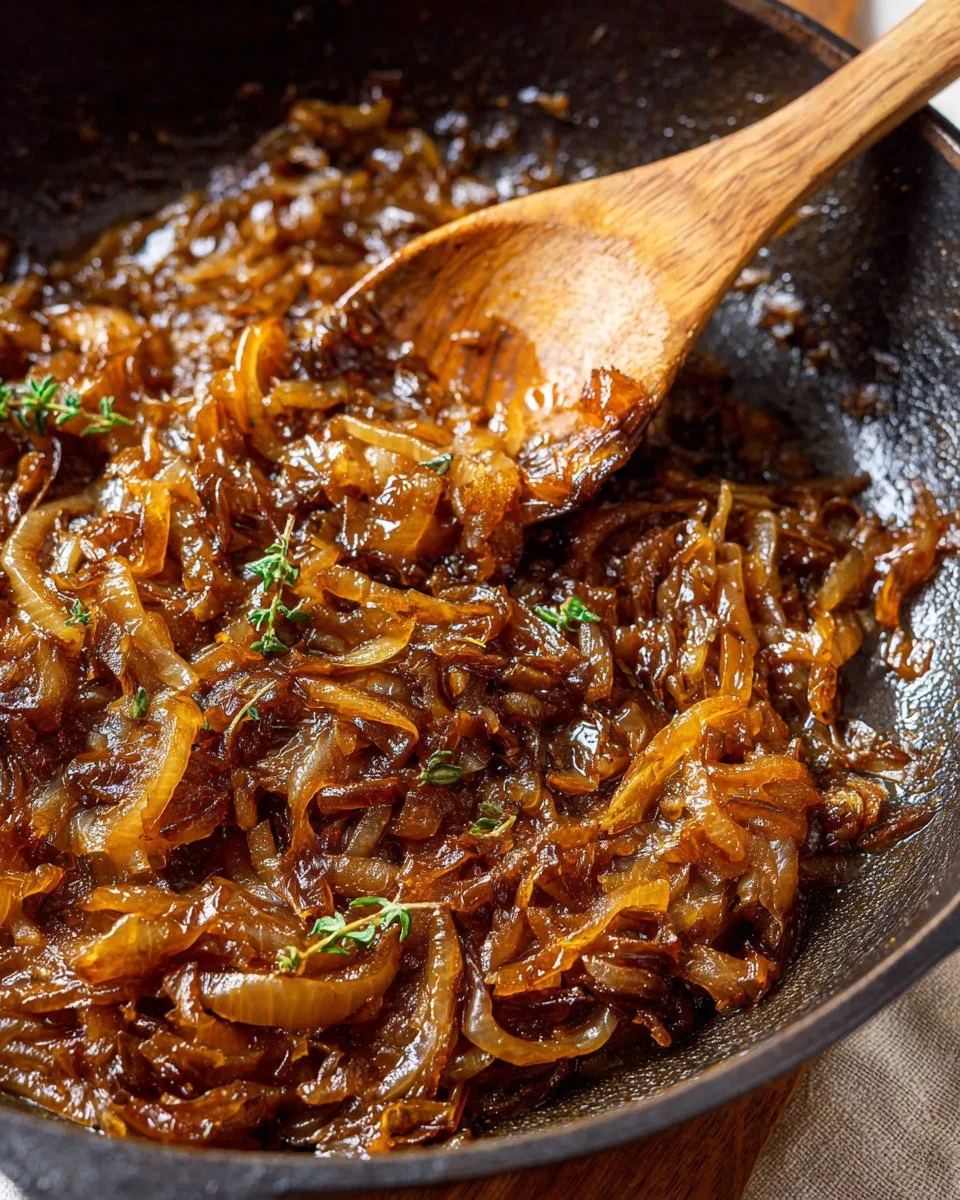
Caramelized onions are more than just a side dish; they are the secret ingredient that can elevate your favorite meals. Imagine a rich, sweet flavor that melts in your mouth, transforming even the simplest recipes into something extraordinary. These onions develop a deep, golden color and a creamy texture through a slow cooking process that brings out their natural sugars. Perfect for busy families, this high-protein, meal-prep friendly dish fits seamlessly into a healthy lifestyle. You might find yourself craving these savory delights at every meal, and the best part? They are incredibly versatile for various dishes, making your meal prep so much easier and tastier. Let’s dive into this flavor-packed world of caramelized onions, where health meets hearty goodness!
Why You’ll Love Caramelized Onions (Creamy, Easy, and Cozy)
Caramelized onions are loved for their rich flavor and sweet, savory profile, making them perfect for many dishes.
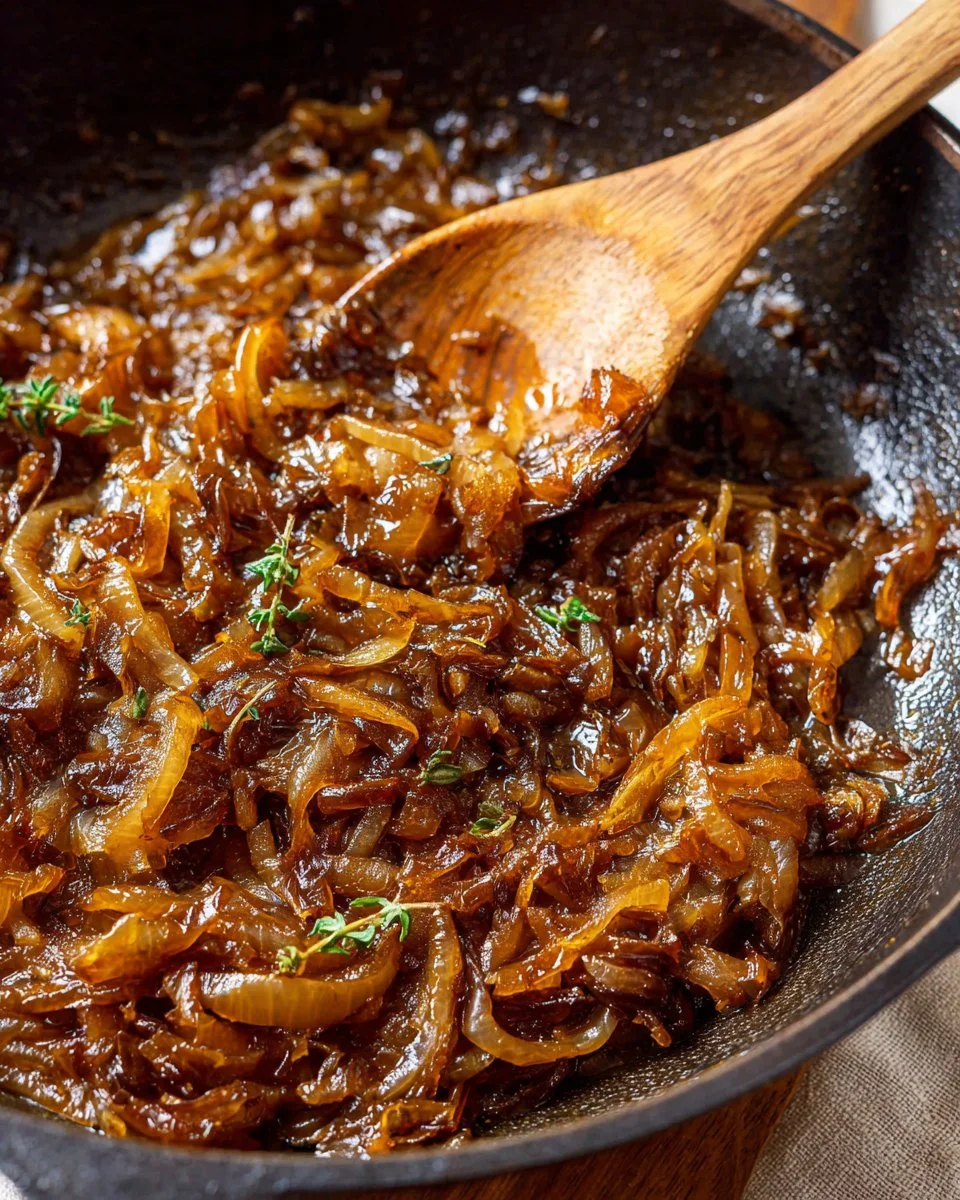
Picture this: you’re bustling in the kitchen, trying to whip up dinner for your family after a long day. The scent of onions sizzling in butter fills the air, instantly making your home feel warm and welcoming. Caramelized onions not only add layers of flavor but also bring a touch of comfort with their creamy texture. They can complement hearty dishes like casseroles or add a gourmet touch to your salads! This recipe encourages you to embrace cooking at home as a way to savor moments with your loved ones, proving that meal prep can be both nutritious and delightful. Not to mention, making a big batch can save you time during the week while helping you stick to your nutrition goals.
- Speed: Quick preparation and cooking times fit into any busy schedule.
- Texture: They add a wonderful creaminess that pairs well with various meals.
- Pantry-friendly: All ingredients are staples typically found at home.
- Meal-prep friendly: Can be prepared in bulk and stored for easy use.
- Dietary notes: Low carb and heart healthy, suitable for various diets.
Ingredients for Caramelized Onions
- Medium or large yellow onions – provide natural sweetness and depth.
- Unsalted butter – contributes to a rich and creamy flavor.
- Olive oil – aids in cooking and adds healthy fats.
- Dark brown sugar – enhances sweetness and caramelization.
- Kosher salt – balances the flavors and brings out the natural sweetness.
Ready to cook? See the recipe card for exact measurements below.
How to Make Caramelized Onions
Phase 1 – Prep
- Peel the onions: Remove the outer skins using a sharp knife.
- Slice the onions: Cut them thinly, about 1/4 inch thick, to ensure even cooking.
- Gather your tools: Get a large skillet ready for cooking; a cast-iron skillet is ideal.
Phase 2 – Cook/Assemble
- Heat the skillet: Place it over medium heat and add the butter and olive oil. Let the butter melt completely.
- Add onions: Once the butter has melted, add the sliced onions and stir to coat them in the fat.
- Season: Sprinkle the kosher salt over the onions, helping them release moisture.
- Caramelize: Cook the onions over medium to medium-low heat, stirring every 5-8 minutes for about 30-40 minutes, until they turn a deep golden brown and look creamy.
- Add sugar: When the onions are nearly done, stir in the dark brown sugar and continue cooking for another 5 minutes to enhance caramelization.
Phase 3 – Serve
- Check doneness: The onions should be deeply caramelized and sticky in appearance.
- Remove from heat: Once caramelized, take them off the heat and let cool slightly.
- Serve warm: Use your caramelized onions in your favorite dishes or store for future meals!
Pro Tips for the Best Results
- Slice consistently: This ensures that all onions cook evenly.
- Use a mix of butter and oil: This will prevent burning while promoting caramelization.
- Cook low and slow: Patience is key; rush the process, and you’ll get bitter onions instead of sweet.
- Don’t overcrowd the pan: If you’re making a large batch, consider cooking in batches for the best results.
- Store leftovers properly: Use airtight containers to keep them fresh in the fridge.
Common Mistakes to Avoid
One common mistake is cooking the onions on high heat. When onions are cooked too quickly, they can burn instead of caramelize. This happens because the sugars in the onion need time to break down slowly. To fix this, always cook on medium to medium-low heat, stirring frequently to monitor the progress.
Another pitfall is under-seasoning. If you wait too long to add salt, your onions might not develop that fabulous flavor. Salt not only enhances taste but also helps release moisture from the onions. Add kosher salt at the beginning of the cooking process, as this allows the onions to soften better.
Lastly, many cooks forget to add a sweetener like dark brown sugar. Without this touch, your onions won’t reach that perfect caramelized state. If you skip this step, consider adding a small amount towards the end to enhance the sweetness without overcooking.
Recipe Variations
- Gluten-free: Naturally gluten-free with no modifications needed.
- Dairy-free: Substitute butter with additional olive oil.
- Spicy: Add a pinch of red pepper flakes for a kick.
- Herbal: Stir in some fresh thyme or rosemary during the cooking process.
- Cooking method: Try using an air fryer for a quicker method or Instant Pot for faster cooking.
How to Serve Caramelized Onions
- Best Pairings: Pair with grilled meats, burgers, or roasted vegetables.
- Toppings: Use as a topping for pizzas, quiches, or sandwiches.
- Garnishes: Add to salads for an extra layer of flavor.
Make Ahead & Storage
Can I Meal Prep This?
Yes, you can easily meal prep caramelized onions. They store well and can be used in various recipes throughout the week.
Storing Leftovers
Store leftover caramelized onions in an airtight container in the refrigerator for up to one week.
Freezing
You can freeze caramelized onions for up to three months. Keep in mind that texture may change slightly upon reheating.
Reheating
Reheat in the oven at 350°F (175°C) for 10-15 minutes or in the microwave for 1-2 minutes until warmed through.
{image_1}
FAQs
Can caramelized onions be made in advance? Yes, they store well and can be made ahead of time.
What is the best cooking method for caramelizing onions? Slow cooking over medium heat yields the best results.
Can I use different types of onions? While yellow onions work best, you can also use sweet onions like Vidalia for a milder flavor.
How do I fix burnt caramelized onions? If they’re burnt, you can start over; there’s no way to salvage burnt onions.
Experience the magic of caramelized onions in your cooking! This Caramelized Onions recipe not only adds depth to your meals but also fits perfectly into a healthy lifestyle. Don’t forget to rate this recipe, leave a comment, or check out our Healthy Vegetable Soup and Protein-Packed Quinoa Salad for more meal-prep ideas!
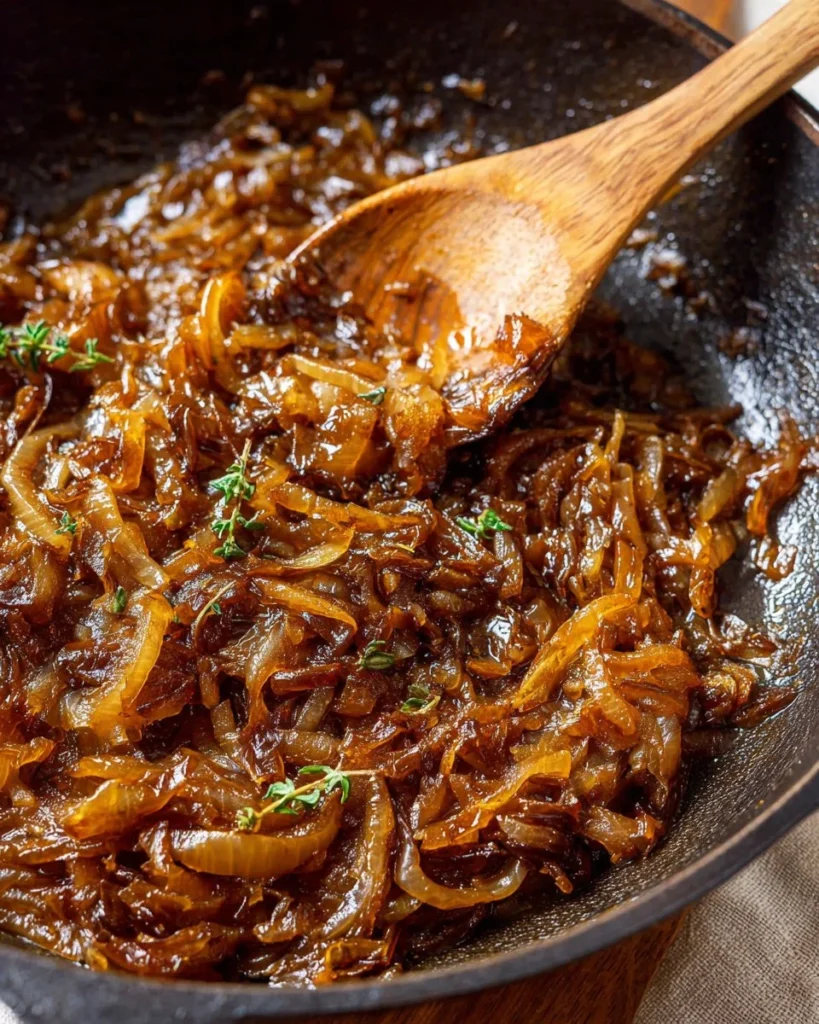
Caramelized Onions
Ingredients
Method
- Peel the onions: Remove the outer skins using a sharp knife.
- Slice the onions: Cut them thinly, about 1/4 inch thick, to ensure even cooking.
- Gather your tools: Get a large skillet ready for cooking; a cast-iron skillet is ideal.
- Heat the skillet: Place it over medium heat and add the butter and olive oil. Let the butter melt completely.
- Add onions: Once the butter has melted, add the sliced onions and stir to coat them in the fat.
- Season: Sprinkle the kosher salt over the onions, helping them release moisture.
- Caramelize: Cook the onions over medium to medium-low heat, stirring every 5-8 minutes for about 30-40 minutes, until they turn a deep golden brown and look creamy.
- Add sugar: When the onions are nearly done, stir in the dark brown sugar and continue cooking for another 5 minutes to enhance caramelization.
- Check doneness: The onions should be deeply caramelized and sticky in appearance.
- Remove from heat: Once caramelized, take them off the heat and let cool slightly.
- Serve warm: Use your caramelized onions in your favorite dishes or store for future meals!