
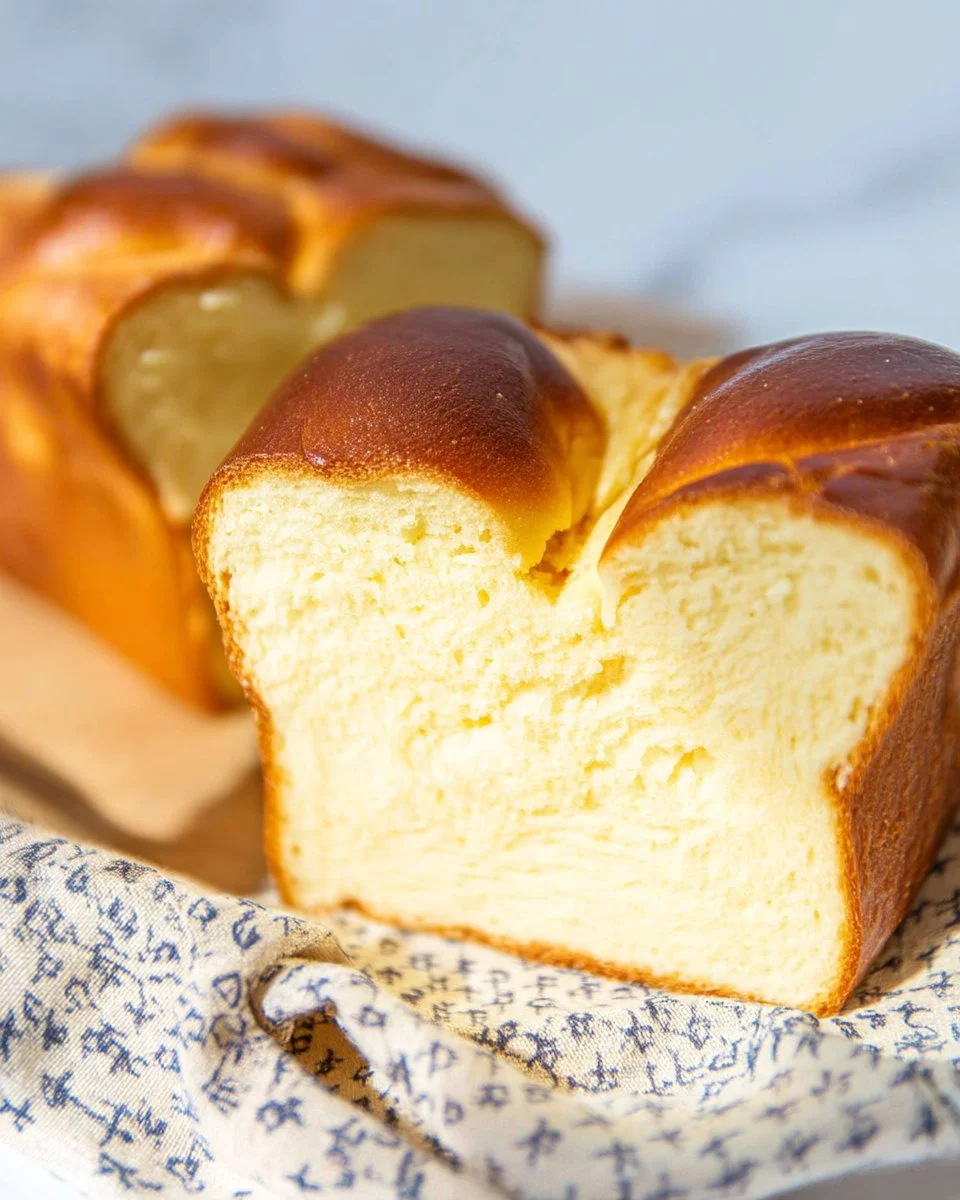
Baking can often feel like a daunting task, filled with intricate steps and time-consuming techniques. Yet, here lies a chance to find comfort in the simple art of making homemade Brioche Bread. This recipe is not just about nourishing the body; it’s about reviving cherished family traditions, creating memories, and sharing love through a warm loaf. For many, the act of baking brings a sense of calm and accomplishment to a hectic life. Following this straightforward recipe will provide you with a soft, delicious bread that’s perfect for any meal plan or family gathering. Let’s explore how making this delightful Brioche Bread can be a solution to those kitchen frustrations.
Kitchen Frustration That Makes This Recipe a Lifesaver
We’ve all been there—standing in front of the pantry, unsure of what to make for dinner while juggling the demands of family life. Whether you’re managing a busy schedule or trying to stick to a budget, cooking fatigue can easily set in. The joy of cooking can quickly fade, especially when it feels like you’re in a culinary rut. This is where Brioche Bread shines.
This recipe is a lifesaver because it’s versatile and forgiving, allowing you to create something beautiful even when your kitchen spirit is lagging. The primary keyword here, Brioche Bread, offers more than just sustenance; it becomes a centerpiece of your meals, elevating simple dinners into something special. Imagine the aroma wafting through your home as this soft, buttery bread bakes in the oven—surely a remedy for the dreary cooking fatigue that many families experience. A practical tip to maximize the joy of making Brioche Bread is to involve your family in the process; from kneading the dough to shaping it, each moment adds to a memorable experience.
Why This Brioche Bread Works So Well
Quick Answer: This Brioche Bread is exceptionally soft, buttery, and slightly sweet, making it an ideal choice for breakfast or as an accompaniment to meals. Its texture and flavor are unmatched, while its time-saving steps make it perfect for those with busy lives.
When crafting this Brioche Bread, you’ll discover that the secret lies in its unique combination of ingredients. The generous use of unsalted butter results in a rich flavor and a soft, pillowy texture that invites you to consume just one more slice. This recipe also offers a great way to meet your nutrition goals without adding unnecessary guilt since it can easily fit into a calorie-conscious meal plan. Plus, a homemade loaf is far healthier than store-bought options laden with preservatives. It’s an effortless showstopper for family gatherings that helps you save money while impressing your guests.
Making this Brioche Bread allows you to improve your baking skills without feeling overwhelmed. It’s a perfect introduction for those looking to experiment with yeast-based breads while still providing the satisfaction of achieving a stunning final product that feels like it took hours of work—a true bakery-worthy loaf.
Ingredients, Substitutions & Foolproof Tips
- 120 mL warm milk: Provides moisture and aids the yeast activation.
- 9 g active dry yeast: Essential for leavening, making the bread fluffy.
- 10 mL honey: Adds a subtle sweetness and helps feed the yeast.
- 5 large eggs: Contributes richness and structure to the dough.
- 1 large yolk: Enhances color and moisture.
- 10 mL vanilla: Offers a beautiful flavor boost.
- 60 g granulated white sugar: For sweetness; can replace with coconut sugar for a less refined alternative.
- 500 g all-purpose flour: The foundation of the dough; vital for structure.
- 1 ½ tsp fine sea salt: Balances flavors; kosher salt can be used as a substitute.
- 250 g unsalted butter, divided into four portions: Provides flakiness and richness; save some for greasing the loaf pans.
Step-by-Step Directions
- Combine Warm Milk, Yeast, and Honey
- In a mixing bowl, combine warm milk, active dry yeast, and honey. Let this sit for about 10 minutes until foamy. This step ensures that the yeast is activated properly, giving your bread the best rise.
- Add Remaining Ingredients
- Add eggs, egg yolk, vanilla, sugar, flour, and salt to the yeast mixture. Mix until a scraggly dough forms. This is where the dough begins to take shape, and you can feel the ingredients come together.
- Knead the Dough
- Using a dough hook, knead the mixture for 12 minutes, adding butter in four portions gradually throughout. You want to achieve a soft, tacky dough. Be patient; this step is crucial for developing the gluten.
- Let Dough Rise
- Flour your work surface and shape the dough into a ball. Place it in a greased bowl, cover it, and let it rise until doubled, about 1-2 hours. This step is magical—watch the dough transform as it grows.
- Chill the Dough
- Once risen, refrigerate the dough for 8 to 24 hours. Chilling enhances the flavor and structure of the bread, allowing it to develop a deeper richness.
- Divide and Shape Dough
- On the second day, divide the chilled dough into two portions and shape as desired—consider a Nantaise or braided form. This is where you can get creative and add personal flair.
- Proof the Dough
- Place the shaped dough into greased pans, allowing it to proof until doubled again—about 1-2 hours. This step is essential for achieving that soft, airy texture.
- Preheat the Oven
- Preheat your oven to 325°F (163°C). Make sure it’s fully heated before baking to achieve even cooking.
- Egg Wash and Bake
- Brush the dough with an egg wash and sprinkle with optional sugar pearls. Bake for 35-45 minutes until golden brown. The smell of freshly baked bread will fill your home and fill your heart.
- Cool and Serve
- Let the loaves cool in the pans before tipping out and serving. Enjoy the fruits of your labor with your friends and family!
Common Mistakes to Avoid & Pro Tips
- Not activating the yeast: Always let the yeast mixture foam before adding other ingredients.
- Over-kneading the dough: Knead until soft and tacky. If it becomes too dry, the bread won’t have the desired texture.
- Under-proofing: Allowing the dough to fully rise helps achieve that fluffy texture. Don’t rush this vital step.
Pro Tips:
- Use fresh yeast for the best results. Check expiration dates for optimal rising.
- Don’t skip chilling the dough; the longer it rests, the better the flavor develops.
- Use a kitchen scale for precise measurements to ensure consistent results.
Serving, Storage & Freezer Guide
How to Serve Brioche Bread
Brioche Bread can be served in many delightful ways. Whether it’s toasted for breakfast, used for French toast, or enjoyed alongside a hearty soup, it’s an incredibly versatile loaf. You can also slice it for sandwiches, treating your family to a delicious lunch that feels special. Pair it with jams, nut butters, or even gourmet cheeses for a delightful charcuterie board.
How to Store Brioche Bread
To keep your Brioche Bread fresh, store it at room temperature in an airtight container or wrapped in plastic wrap. It should last for about 3-4 days, but trust me—it’s likely to disappear faster than that!
Can You Freeze Brioche Bread?
Yes, Brioche Bread freezes exceptionally well! Wait until it fully cools, then wrap it tightly in plastic wrap, followed by aluminum foil. It can be frozen for up to 3 months. When you’re ready to enjoy, simply thaw at room temperature or toast slices directly from the freezer for a warm treat.
placeholder
Frequently Asked Questions
Can I use whole wheat flour for this recipe?
While you can substitute a portion of all-purpose flour with whole wheat flour, it may affect the texture and density of the bread. It’s best to stick with all-purpose for this recipe for optimal results.
How do I know when the bread is baked?
The bread is done when it’s golden brown and sounds hollow when tapped on the bottom. You can also use an instant-read thermometer—aim for an internal temperature of about 190°F (88°C).
Can I add flavors to the Brioche?
Absolutely! You can mix in chocolate chips, dried fruits, or spices like cinnamon to give your Brioche Bread an extra flavor boost. Play around and make it your own!
What’s the best way to rewarm Brioche Bread?
To rewarm, preheat your oven to 350°F (175°C), wrap the loaf in aluminum foil, and heat for about 10-15 minutes. This will help retain moisture and warmth without drying it out.
Conclusion
Baking Brioche Bread is not just about creating a loaf; it’s about indulging in an experience that brings joy, nostalgia, and a sense of accomplishment. Each slice serves as a reminder of the warmth of family and the richness of shared meals. This recipe invites you to consider how you can make mealtimes more special while sticking to your budget and nutrition goals. If this recipe reminds you of someone you love, share it with them. Your memories keep recipes alive.
Brioche Bread
Ingredients
Method
- In a mixing bowl, combine warm milk, active dry yeast, and honey. Let this sit for about 10 minutes until foamy.
- Add eggs, egg yolk, vanilla, sugar, flour, and salt to the yeast mixture. Mix until a scraggly dough forms.
- Using a dough hook, knead the mixture for 12 minutes, adding butter in four portions gradually throughout.
- Flour your work surface and shape the dough into a ball. Place it in a greased bowl, cover it, and let it rise until doubled, about 1-2 hours.
- Once risen, refrigerate the dough for 8 to 24 hours.
- On the second day, divide the chilled dough into two portions and shape as desired.
- Place the shaped dough into greased pans, allowing it to proof until doubled again, about 1-2 hours.
- Preheat your oven to 325°F (163°C).
- Brush the dough with an egg wash and sprinkle with optional sugar pearls. Bake for 35-45 minutes until golden brown.
- Let the loaves cool in the pans before tipping out and serving.